Monitoring your weight loss effectively is crucial for achieving and maintaining your health goals. By keeping track of your progress, you can stay motivated, identify patterns, and make necessary adjustments to your diet and exercise routines. Effective monitoring also helps prevent common pitfalls such as plateaus and loss of motivation. In this guide, you will discover various strategies to monitor your weight loss journey, from setting clear goals to using technology and seeking professional support. These methods will not only help you reach your desired weight but also ensure long-term success and a healthier lifestyle.
Setting Clear Goals

Setting clear, achievable goals is the foundation of a successful weight loss journey. SMART goals—Specific, Measurable, Achievable, Relevant, and Time-bound—provide a structured framework to guide your efforts. For example, instead of aiming to “lose weight,” a SMART goal would be “lose 10 pounds in 3 months by exercising three times a week and reducing daily calorie intake by 500 calories.” This specificity allows you to track progress and stay motivated.
Adjusting your goals based on progress is equally important. If you find yourself consistently meeting your targets, consider setting more challenging goals to push yourself further. Conversely, if you encounter difficulties, it may be necessary to reassess and modify your goals to be more realistic and attainable. This flexibility ensures that your weight loss journey remains dynamic and responsive to your needs and circumstances.
Tracking Your Diet

Keeping a detailed record of your dietary intake is essential for effective weight loss monitoring. A food diary helps you become more aware of what you eat, allowing you to identify patterns and areas for improvement. There are many apps and tools available that make tracking food intake easy and convenient. Apps like MyFitnessPal and Lose It! offer extensive food databases, making it simple to log meals and snacks accurately.
Understanding macronutrients and portion sizes is also crucial. By monitoring your intake of proteins, carbohydrates, and fats, you can ensure a balanced diet that supports your weight loss goals. Mindful eating—paying attention to hunger and fullness cues—can help prevent overeating and promote healthier eating habits. Over time, these practices can lead to more sustainable weight loss and improved overall health.
Monitoring Physical Activity

Regular physical activity is a key component of any weight loss plan. Engaging in a mix of cardio, strength training, and flexibility exercises helps burn calories, build muscle, and improve overall fitness. Tracking your physical activity allows you to see how much you are moving each day and identify opportunities to increase your activity levels. Fitness trackers, such as Fitbit and Garmin, can provide detailed insights into your daily exercise habits.
Setting realistic exercise goals is important for maintaining motivation and avoiding burnout. Start with achievable targets, such as 30 minutes of moderate exercise five days a week, and gradually increase the intensity and duration as your fitness improves. Consistently meeting these goals will not only help you lose weight but also boost your energy levels and enhance your overall well-being.
Regular Weigh-Ins
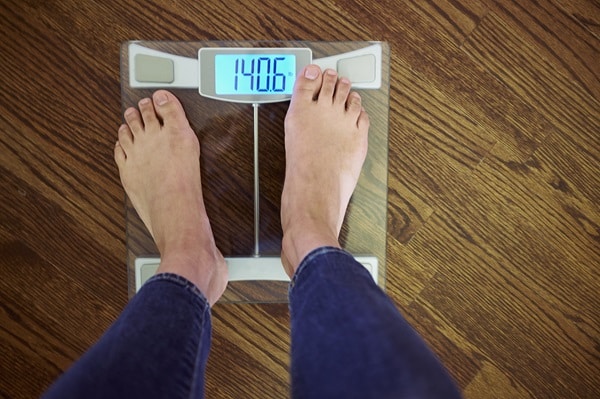
Regular weigh-ins are a crucial part of tracking your weight loss progress. Weighing yourself consistently, such as once a week, provides a clear picture of your progress over time. To ensure accuracy, weigh yourself at the same time of day, preferably in the morning and under similar conditions, like after using the bathroom and before eating. This consistency helps to minimize fluctuations caused by external factors such as water retention or recent meals.
Understanding and interpreting weight fluctuations is essential for maintaining motivation and staying on track. Daily weight can vary due to factors like hydration levels, hormonal changes, and muscle gain. Instead of focusing on daily changes, look at the overall trend over weeks and months. Additionally, consider using alternative metrics like body measurements, clothing fit, and body composition analysis to get a comprehensive view of your progress.