Skip to content

Are Common Cooking Oils Making You Gain Weight?

Weight gain is often linked to excess calories, sugary foods, and lack of exercise, but what if a common kitchen staple was silently contributing to the issue? Many people overlook the impact of cooking oils on their diets, assuming they’re a harmless addition to meals. However, the type and amount of oil you use can significantly affect your calorie intake and, ultimately, your weight. Cooking oils, often used generously, are calorie-dense and can add up quickly, leading to unnoticed weight gain. In this post, we’ll explore whether common cooking oils could be a hidden factor in your weight struggles.

The Role of Fats in Weight Management

Fats are an essential part of a balanced diet, playing critical roles in energy storage, hormone production, and cell function. However, not all fats are created equal. There are three primary types of fats: saturated, unsaturated, and trans fats. While some fats, like unsaturated fats, can support health, others—such as trans fats—are known to contribute to weight gain and other health issues. Consuming an excess of any fat type, particularly in the form of cooking oils, can lead to the body storing more energy than it needs, resulting in weight gain.

The key issue is that many people misunderstand fats, assuming that all fats are bad or that cutting out fats entirely is the best way to lose weight. However, fats are essential for absorbing fat-soluble vitamins and maintaining energy levels. The problem arises when people overconsume calorie-dense fats without realizing it, particularly through cooking oils. Understanding the balance of fats in your diet is crucial for managing weight, and this starts with examining the oils you’re using daily.

Common Cooking Oils and Their Nutritional Profiles
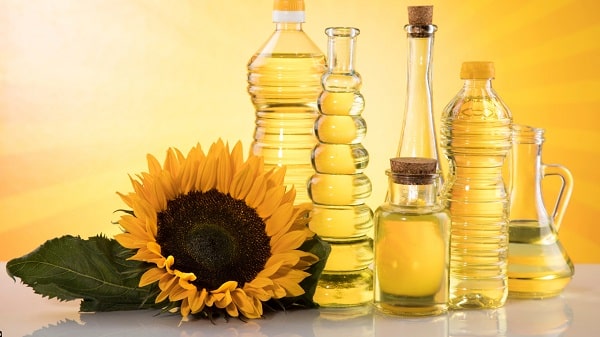
Different cooking oils have varying nutritional profiles, and not all are equal when it comes to health and weight management. Olive oil, for example, is often praised for its health benefits due to its high content of monounsaturated fats, which can improve heart health. In contrast, vegetable oils, such as corn or soybean oil, are typically higher in polyunsaturated fats, which can be less stable when heated and may contribute to inflammation in the body. Coconut oil, known for its high saturated fat content, has also sparked debates about its long-term impact on weight.

The caloric content of these oils is another factor that can’t be ignored. Regardless of the type, all oils are calorie-dense, packing about 120 calories per tablespoon. This means even small amounts can contribute significantly to your daily calorie intake. Without careful portion control, it’s easy to underestimate how much oil you’re adding to your meals, leading to unintentional weight gain over time. To manage weight effectively, it’s important to understand these differences and choose oils that align with your health goals.

How Cooking Methods Influence Weight Gain
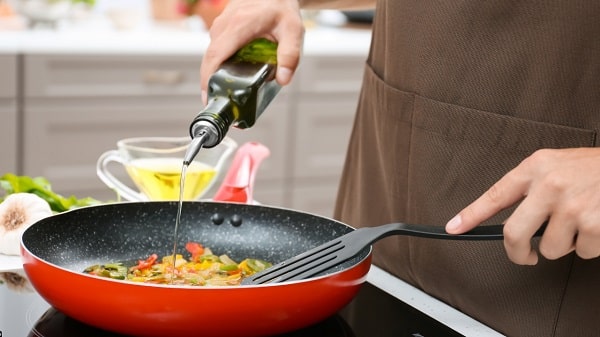
The way oils are used in cooking can also play a significant role in weight gain. High-temperature cooking methods like frying or deep-frying cause foods to absorb more oil, increasing the calorie count of your meals. For instance, frying potatoes in oil versus baking them can more than double the caloric content of the dish. Additionally, reusing oils or heating them to high temperatures can lead to the formation of harmful compounds that not only affect your health but also disrupt your metabolism, potentially leading to weight gain.

Another common issue is the tendency to overuse oil during cooking, especially in stir-frying or sautéing, where more oil is often added than needed. This practice adds more calories to meals without necessarily improving taste or nutritional value. Learning to use oils in moderation and opting for lower-fat cooking methods, such as grilling or steaming, can help reduce the overall calorie content of your meals and support better weight management over time.

The Hidden Calories in Common Cooking Oils

One of the main challenges with cooking oils is that they often contribute hidden calories to meals, making it easy to consume more than intended. Since oils are liquid and don’t significantly alter the appearance or volume of food, it’s easy to overlook the amount used in cooking. For example, a simple salad dressing made with a couple of tablespoons of oil can add over 200 calories to your meal without you even realizing it. This calorie creep happens frequently in dishes like stir-fries, baked goods, or when oil is used to coat pans, resulting in a higher overall calorie intake.

Even healthy oils, like olive or avocado oil, can contribute to weight gain if used in excess. People often assume that because an oil is considered healthy, they don’t need to measure or limit their intake. However, all oils are calorie-dense, and using too much can add hundreds of calories to your daily intake, leading to gradual weight gain. Being mindful of portion sizes and measuring the oil you use can help prevent this accumulation of hidden calories and support better weight control.

Healthier Alternatives to Traditional Cooking Oils

If you’re concerned about the impact of cooking oils on your weight, there are healthier alternatives to consider. Low-calorie cooking sprays can provide a similar non-stick effect with significantly fewer calories than traditional oils. Additionally, using water or broth to sauté vegetables can cut out oil entirely, reducing the calorie content of your meals while maintaining flavor. Air fryers are another popular option, allowing you to achieve a crispy texture without the need for large amounts of oil, making it easier to prepare low-calorie versions of typically fried foods.

Another great alternative is to opt for oils with a more balanced fat profile, like avocado oil, which contains monounsaturated fats but has a higher smoke point, making it ideal for high-heat cooking. By incorporating these alternatives and cooking methods into your daily routine, you can cut down on excess oil consumption while still enjoying flavorful and satisfying meals. These healthier options not only help with weight management but also support overall heart health and well-being.

Practical Tips for Reducing Oil Use in Everyday Cooking

Reducing your oil intake doesn’t mean sacrificing flavor or the quality of your meals. One practical tip is to measure the amount of oil you use with a teaspoon or tablespoon rather than pouring it directly from the bottle. This ensures you’re controlling portions and avoiding the accidental overuse of oil. Another strategy is to invest in non-stick cookware, which allows you to cook with little to no oil while still preventing food from sticking to the pan. These small changes can significantly cut down on the number of hidden calories in your diet.

Additionally, using herbs, spices, and other natural flavor enhancers can reduce the need for oil as a flavor base. Fresh herbs like rosemary, thyme, and cilantro, along with spices such as cumin, paprika, and turmeric, can add depth to your dishes without the added calories. Trying different cooking methods, like grilling, baking, or steaming, can also minimize oil use while maintaining the nutritional value and flavor of your meals. By adopting these practical tips, you can reduce your reliance on cooking oils and make strides toward achieving your weight management goals.

Finding Balance with Cooking Oils and Weight Management

Incorporating cooking oils into your meals can be beneficial, but it’s important to recognize their calorie density and use them wisely. By understanding the role that oils play in your diet and making mindful choices about the types and quantities used, you can better manage your weight without sacrificing flavor. Opting for healthier alternatives, adjusting cooking methods, and controlling portion sizes are simple yet effective strategies for reducing hidden calories. Achieving balance in your use of cooking oils can help you maintain a healthier lifestyle and support your long-term weight management goals.

Leave a Reply

Your email address will not be published. Required fields are marked *

This site uses Akismet to reduce spam. Learn how your comment data is processed.