The universal language of dance transcends traditional workouts, bringing joy and freedom to its practitioners while offering a fun and exhilarating route to fitness. In its many forms, dance works not just the body but also the mind and soul, offering a holistic workout that fosters creativity, reduces stress, and boosts cardiovascular health. This article aims to unravel the close-knit relationship between dance and fitness, exploring different dance styles, the mental and social benefits of dancing, safety tips, and how to start dancing for fitness.
The Connection Between Dance And Fitness

Dance, in its essence, is a form of physical expression. It requires coordination, strength, balance, and endurance, making it an excellent all-around exercise. As one engages in rhythmic movements, the body responds by elevating the heart rate, improving cardiovascular health, and burning calories, similar to any other cardio workout. However, unlike traditional cardio workouts, dance incorporates the joy of movement, making it an engaging and enjoyable exercise routine.
The physical demands of different dance styles lead to improved strength, flexibility, and balance. As dancers perform varied movements, they engage different muscle groups, building strength. Dance also requires flexibility for executing different moves, leading to increased joint mobility and muscle elasticity. Balance is another critical aspect; dancers must maintain stability while performing complex sequences. Thus, dance combines these fitness components uniquely and engagingly, promoting overall health and wellness.
Dance Styles For Fitness
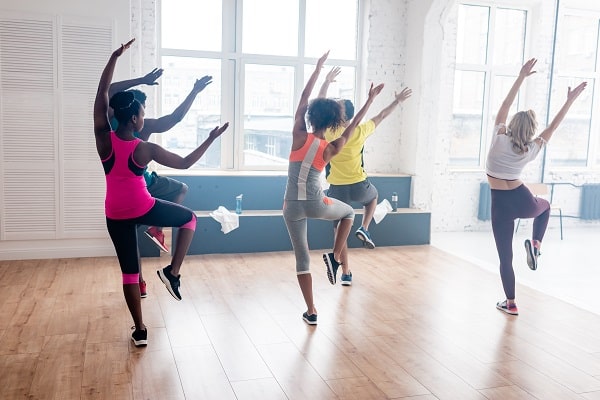
Zumba and Latin dances, like salsa and merengue, offer high-energy workouts that blend aerobics with fast-paced dance steps. These styles can significantly elevate your heart rate, improving cardiovascular health while also enhancing coordination and rhythm. Latin dances, in particular, are excellent for toning the lower body and core, as they often incorporate a lot of hip and abdominal movements.
In contrast, ballet and barre workouts focus on developing strength and flexibility. Ballet is a highly disciplined dance form that requires precision and grace. Ballet-controlled, deliberate movements help build lean muscle mass and improve posture. Similarly, barre classes draw inspiration from ballet, combining it with elements of Pilates and yoga. These classes can improve muscular endurance, flexibility, and balance, providing a well-rounded workout.
Mental Health Benefits Of Dancing

Dance is not just about physical wellness; it also contributes significantly to mental health. As a form of exercise, dance releases endorphins, the body’s feel-good hormones, leading to stress reduction and mood enhancement. Moreover, the concentration required to learn and perform dance moves can provide a welcome distraction from daily worries and anxieties, promoting mindfulness and relaxation.
In addition, dance is an excellent tool for boosting self-confidence and self-expression. Learning new dance routines, improving over time, and eventually mastering a dance can boost tremendous confidence. Meanwhile, dance offers a unique medium for emotional expression. Through dance movements, individuals can express their feelings and emotions, fostering emotional health and resilience.