Skip to content

The Role Of Genetics In Obesity

Obesity, a global health crisis, affects millions worldwide, posing significant health risks and economic burdens. While lifestyle and environmental factors are well-known contributors, the role of genetics in obesity is increasingly recognized as crucial for understanding this complex condition. This article delves into the intricate relationship between genetics and obesity, exploring how genetic predisposition interacts with environmental factors. By shedding light on this aspect, we aim to provide a deeper understanding of obesity, paving the way for more effective prevention and treatment strategies.

Understanding Obesity
The Role Of Genetics In Obesity

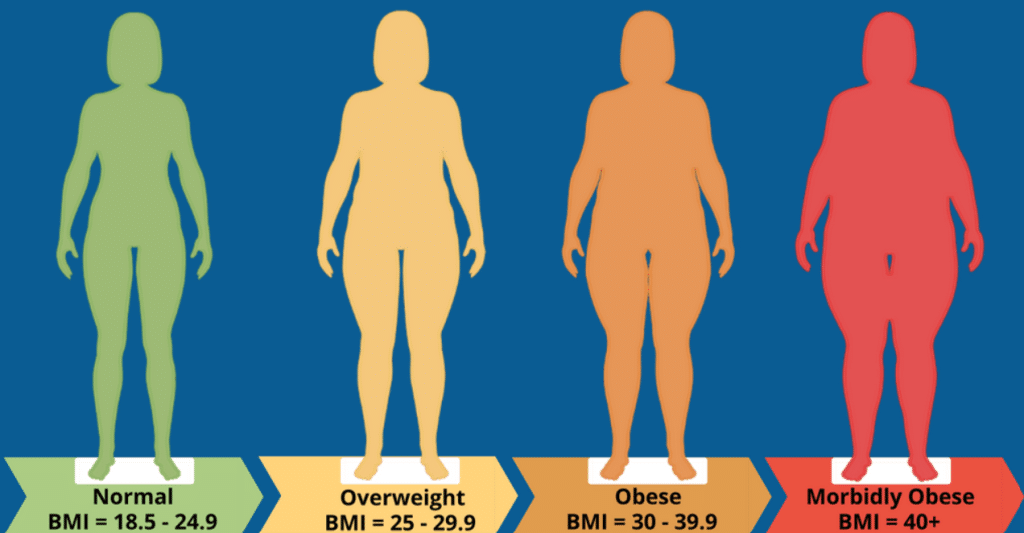
Obesity, characterized by excessive fat accumulation, is typically measured using the Body Mass Index (BMI), where a BMI over 30 is considered obese. This condition is not merely a cosmetic concern but a serious health issue, leading to numerous complications such as heart disease, diabetes, and joint problems. While obesity results from a calorie imbalance—consuming more calories than expended—the underlying causes are multifaceted, involving lifestyle, environment, and genetic factors. Understanding these aspects is crucial for effective prevention and treatment approaches.

The health risks associated with obesity are profound and far-reaching. These include increased risk of chronic diseases such as type 2 diabetes, cardiovascular diseases, and certain types of cancer. Additionally, obesity can impact mental health, leading to conditions like depression and low self-esteem. The multifactorial nature of obesity makes it a complex issue to address, requiring a comprehensive understanding of all contributing factors, including the often-overlooked genetic components.

Genetics and Obesity
The Role Of Genetics In Obesity

Recent advancements in genetics have unveiled a significant genetic component to obesity. Certain individuals are genetically predisposed to gaining weight more easily than others, indicating that obesity can be inherited. This predisposition involves various genes, with the FTO gene being the most well-known. These genes can affect appetite, metabolism, and fat storage, thereby influencing an individual’s susceptibility to obesity.

Studies in heritability have further underscored the genetic influence on obesity. Twin and family studies reveal that when one identical twin is obese, the other is likely to be obese as well, suggesting a strong genetic link. However, it’s crucial to note that having obesity-related genes does not guarantee the development of obesity; it simply increases the risk. This distinction highlights the interplay between genetics and lifestyle choices in the development of obesity.

Gene-Environment Interactions

The Role Of Genetics In Obesity

The interaction between genetic predisposition and environmental factors is a key aspect of obesity. Individuals with a genetic propensity for obesity may not develop the condition if they live in a healthy environment with a balanced diet and regular physical activity. Conversely, those genetically predisposed may be more likely to become obese in an environment with abundant high-calorie food and limited physical activity opportunities.

Epigenetics, the study of how behaviors and environment can cause changes that affect the way genes work, is also crucial in understanding obesity. Unlike genetic mutations, epigenetic changes are reversible and can be influenced by lifestyle choices. This field provides hope for individuals with a genetic predisposition to obesity, as it suggests that lifestyle interventions can potentially modify the expression of obesity-related genes. This area of research is rapidly evolving, offering insights into how we might better manage or even prevent obesity in genetically susceptible individuals.

The Role of Family History

The Role Of Genetics In Obesity

Family history plays a pivotal role in assessing obesity risk. Studies have shown that children of obese parents are more likely to become obese themselves, indicating a strong familial component. This can be attributed to both genetic inheritance and shared family environments, including dietary habits and physical activity levels. Understanding family patterns can provide crucial insights into an individual’s obesity risk, guiding preventive measures and personalized treatment strategies.

However, it is essential to distinguish between genetic inheritance and the influence of family lifestyle. In many cases, family members share not just genes but also environments and behaviors that contribute to obesity. This overlap makes it challenging to isolate the genetic component from lifestyle factors. Healthcare professionals often consider both elements when assessing risk and advising on management and prevention strategies for individuals with a family history of obesity.

Genetic Testing for Obesity

The Role Of Genetics In Obesity

Genetic testing for obesity has become increasingly available, offering individuals insights into their genetic susceptibility to the condition. These tests can identify specific genetic variants associated with obesity, providing a personalized risk assessment. However, the implications of such testing extend beyond mere information, raising ethical and psychological concerns, such as the potential for discrimination and the impact of knowing one’s genetic risk on mental well-being.

Despite the advancements in genetic testing, there are limitations in its accuracy and predictive value. Genetic predisposition to obesity involves a complex interplay of multiple genes, and current tests may not capture this complexity fully. Moreover, the predictive power of these tests is limited, as environmental and lifestyle factors play a significant role in the actual development of obesity. Thus, while genetic testing can provide valuable information, it should be integrated with other risk assessment tools and lifestyle evaluations for a comprehensive approach to obesity management.

Management and Prevention Strategies

The Role Of Genetics In Obesity

Effective management of obesity, especially in individuals with a genetic predisposition, requires personalized strategies. This includes tailored dietary plans, exercise regimens, and, in some cases, medical interventions. Understanding an individual’s genetic makeup can help in designing more effective weight management programs that are specifically suited to their needs. Additionally, psychological support can be crucial, as behavioral and emotional factors often play a significant role in obesity.

Prevention strategies are particularly important for those at high genetic risk of obesity. Public health efforts should focus on creating environments that promote healthy lifestyles, such as access to nutritious foods and opportunities for physical activity. Early intervention, education, and support can also be effective, especially in families with a history of obesity. By targeting high-risk individuals with tailored prevention strategies, it is possible to reduce the incidence of obesity and its associated health risks.

Future Research and Developments

The Role Of Genetics In Obesity

The field of obesity research is continually evolving, with new discoveries frequently emerging about the genetic factors involved. Current research trends are increasingly focusing on understanding the complex interaction between multiple genes and how they contribute to obesity risk. This includes studying gene networks and their relationship with metabolic pathways, which could lead to the identification of new therapeutic targets. Future developments may also include more sophisticated genetic testing methods that provide a more comprehensive understanding of an individual’s obesity risk.

Another promising area of research is personalized medicine, which tailors treatment based on an individual’s genetic profile. This approach could revolutionize obesity management, offering more effective and efficient treatment plans. Researchers are also exploring gene editing techniques, like CRISPR, as potential tools for addressing genetic causes of obesity. While these developments are still in their early stages, they hold significant promise for better understanding and managing obesity in the future.

Public Health Implications

The Role Of Genetics In Obesity

Understanding the genetic factors in obesity has significant implications for public health policies and strategies. Recognizing that genetics play a role in obesity can lead to a more empathetic and less stigmatizing approach to this condition. Public health initiatives can be tailored to address not only the environmental and lifestyle factors but also the genetic components, leading to more effective obesity prevention and management programs.

However, incorporating genetic information into public health strategies presents challenges. These include ensuring equitable access to genetic testing and counseling, protecting individuals’ genetic privacy, and avoiding genetic discrimination. There’s also a need for public education about the role of genetics in obesity to prevent misunderstandings and misuse of genetic information. As our understanding of the genetics of obesity advances, it’s crucial that public health policies evolve to reflect these insights, balancing the benefits of genetic knowledge with ethical and practical considerations.

Embracing a Holistic View of Obesity

While genetics play a significant role, the interplay with environmental and lifestyle factors is equally crucial. This understanding necessitates a multifaceted approach in research, management, and policy-making, emphasizing personalized strategies and public health initiatives that consider genetic predispositions. As research continues to unfold the mysteries of genetics in obesity, it’s imperative that these insights inform and transform how we address this global health challenge, moving towards more effective and compassionate solutions.

Leave a Reply

Your email address will not be published. Required fields are marked *

This site uses Akismet to reduce spam. Learn how your comment data is processed.