The journey to better health often begins with the daunting idea of significant weight loss. However, it’s a lesser-known fact that even shedding a few pounds can have profound health benefits. This article highlights the myriad of advantages that minor weight loss offers, from psychological well-being to enhanced physical health. By understanding the different ways it can be good for your health, you can appreciate the value of small, achievable weight loss goals and their impact on your overall quality of life.
Psychological Benefits of Minor Weight Loss

Losing even a small amount of weight can lead to significant improvements in self-esteem. Individuals often find that as the scale shows lower numbers, their self-perception and confidence tend to rise. This boost in self-confidence can extend beyond body image, positively influencing various aspects of life, including social interactions and professional performance. The psychological impact of minor weight loss is profound, breaking the cycle of negative self-image and fostering a more positive outlook on life.
In addition to enhanced self-esteem, minor weight loss can significantly benefit mental health. Studies have shown a correlation between weight loss and the reduction of symptoms associated with depression and anxiety. The physical activity often involved in weight loss routines contributes to the release of endorphins, known as the ‘feel-good’ hormones, which naturally elevate mood. Moreover, the achievement of weight loss goals, however small, provides a sense of accomplishment, further improving mental well-being. Thus, even a modest reduction in weight can have a substantial impact on mental health.
Enhanced Cardiovascular Health
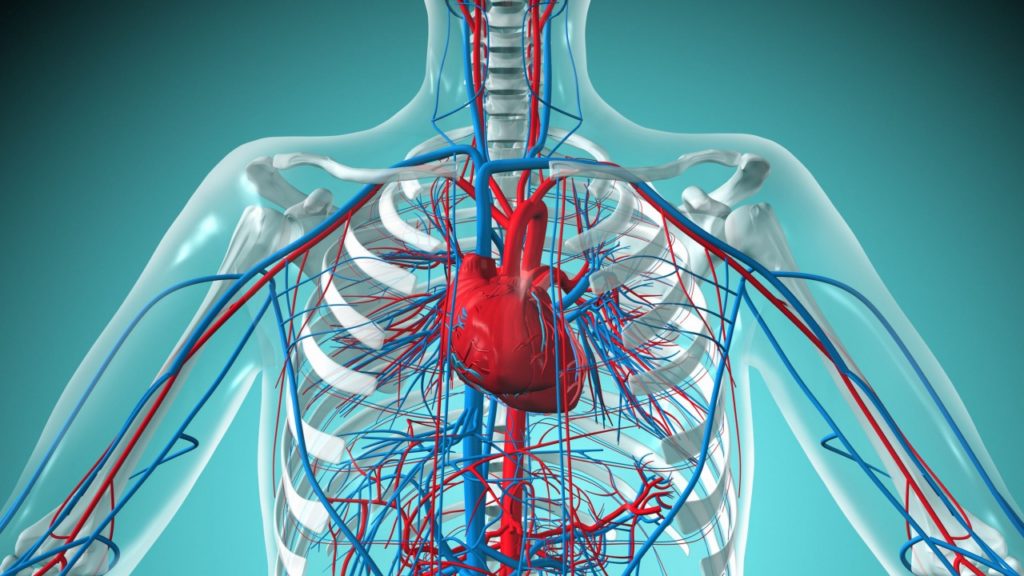
One of the most immediate benefits of losing a few pounds is the reduction in blood pressure. High blood pressure is a known risk factor for heart disease and stroke, and even a small decrease can lower these risks significantly. This reduction in blood pressure is often the result of improved arterial function and decreased strain on the heart, showcasing how even minimal weight loss can have a substantial impact on cardiovascular health.
Minor weight loss also plays a crucial role in improving cholesterol levels. Lowering body weight helps reduce levels of low-density lipoprotein (LDL), commonly known as ‘bad’ cholesterol while increasing high-density lipoprotein (HDL), or ‘good’ cholesterol. This balance is crucial for preventing plaque buildup in arteries, thereby reducing the risk of heart attacks and strokes. The positive changes in cholesterol levels, brought on by even slight weight loss, underscore the importance of weight management in maintaining heart health.
Lower Risk of Diabetes
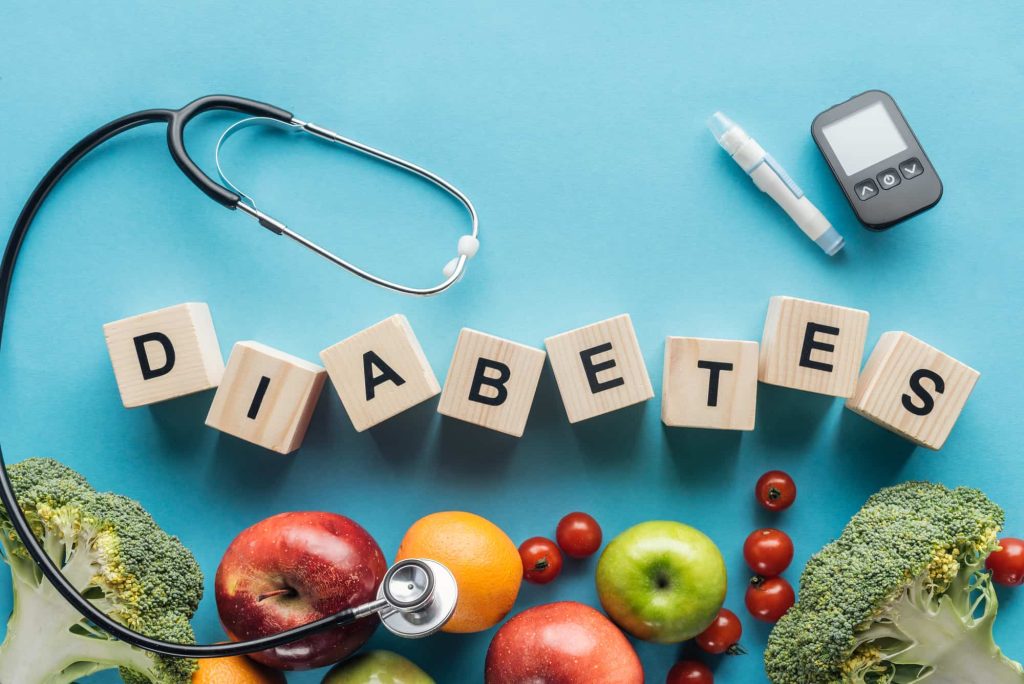
Reducing weight, even by a small margin, can significantly improve insulin sensitivity. This improvement is crucial in lowering the risk of developing type 2 diabetes, a condition closely linked to obesity and overweight. Enhanced insulin sensitivity means the body can more effectively use the hormone insulin to manage blood glucose levels, providing a strong defense against diabetes.
Alongside improved insulin sensitivity, minor weight loss helps in better blood sugar control. Consistently high blood sugar levels pose serious health risks, and even a modest reduction in weight can help keep these levels in check. This control is particularly important for individuals at risk of or currently managing prediabetes, as it can delay or even prevent the onset of type 2 diabetes. The connection between minor weight loss and improved blood sugar regulation highlights the significance of weight management in diabetes prevention and control.
Improved Mobility and Joint Health

Losing a few pounds can lead to a notable decrease in joint stress, particularly in weight-bearing joints like the knees and hips. This reduction in stress can alleviate pain and decrease the risk of developing osteoarthritis, a common issue associated with excess weight. Even a slight decrease in weight can have a large impact on joint health, significantly improving an individual’s quality of life.
In addition to easing joint stress, minor weight loss can enhance overall mobility. With less weight to carry, movements become easier, and daily activities that once seemed challenging are now more manageable. This improvement in mobility often leads to increased physical activity, creating a positive cycle that further supports joint health and weight management. The connection between weight loss and improved mobility is a testament to the profound impact that even small changes in weight can have on an individual’s physical capabilities and lifestyle.
Better Sleep and Energy Levels

Weight loss, even in small amounts, can significantly improve your quality of sleep. Individuals who lose weight often experience fewer symptoms of sleep disorders such as sleep apnea, a condition exacerbated by excess weight. Better sleep leads to more restful nights, contributing to overall health and well-being. The reduction in sleep disturbances also means waking up feeling more refreshed and alert, a direct benefit of minor weight loss.
With improved sleep comes an increase in energy levels. Excess weight can lead to a feeling of lethargy, making even simple tasks seem strenuous. Shedding a few pounds helps in alleviating this fatigue, leading to a notable increase in day-to-day vitality. This boost in energy not only enhances physical capabilities but also contributes to better mental alertness and mood. The cycle of better sleep leading to more energy and vice versa highlights the importance of weight management for maintaining an active and energetic lifestyle.
Improved Respiratory Function
Minor weight loss has a positive impact on respiratory function. Excess weight can constrict the airways and exacerbate conditions like asthma. By losing even a small amount of weight, breathing becomes easier, and symptoms associated with respiratory issues can diminish. This improvement in breathing enhances physical performance and contributes to overall comfort and health.
Additionally, weight loss can lead to an increase in lung capacity. With less fat around the chest and abdomen, the lungs have more room to expand, allowing for deeper and more efficient breathing. This increased lung capacity is particularly beneficial during physical activity, as it improves oxygen intake and endurance. The direct correlation between minor weight loss and improved respiratory function is a compelling reason for individuals looking to enhance their breathing and overall respiratory health.
Enhanced Digestive Health
Losing weight can have a significant positive effect on digestive health. Excess body weight, especially around the abdomen, can put pressure on the gastrointestinal system, leading to issues like acid reflux and constipation. A reduction in weight helps alleviate this pressure, resulting in fewer digestive discomforts and a healthier gastrointestinal tract. Furthermore, minor weight loss is associated with healthier gut flora. The balance of bacteria in the gut is essential for proper digestion, nutrient absorption, and overall health.
Losing weight, particularly through a balanced diet rich in fiber and probiotics, can lead to a more diverse and healthier gut microbiome. This improvement in gut health is not only beneficial for digestion but also contributes to a stronger immune system and better overall health. The relationship between weight loss and improved digestive health underscores the importance of maintaining a healthy weight for optimal gastrointestinal function.
Transform Your Health One Pound at a Time
This exploration reveals the vast benefits of even minor weight loss, impacting everything from mental well-being to physical health. It’s not about drastic changes but about manageable, sustainable steps towards a healthier life. Remember, each pound lost is a step towards improved health and vitality. So, start your journey today; focus on achievable goals and consistent efforts. Embrace the idea that every small loss is a significant gain for your health, and watch as these small victories accumulate into a profound transformation in your well-being.