Heart health is a crucial aspect of overall well-being, often overlooked until issues arise. It encompasses the functionality and condition of the heart, influencing how efficiently it pumps blood throughout the body. Good heart health is essential for longevity and quality of life, helping to prevent a range of cardiovascular diseases. The goal of this article is to provide practical and effective steps to boost your heart health. From dietary choices to stress management, you will explore various aspects that contribute to a stronger, healthier heart, offering actionable advice for anyone who wants to keep their heart in good shape.
Fundamentals of Heart Health

Heart health refers to the efficient functioning and well-being of the heart and cardiovascular system. It is pivotal in determining how effectively the heart pumps blood, delivering oxygen and nutrients to various body parts. A healthy heart is fundamental for overall health, impacting energy levels, brain function, and even emotional well-being. However, heart diseases, such as coronary artery disease and hypertension, are prevalent and can severely impact one’s life. Understanding the basics of heart health is the first step towards effective prevention and management of these conditions.
The impact of heart disease extends beyond the individual, affecting families and communities. These conditions often lead to a decreased quality of life and increased healthcare costs. Common heart-related issues include heart attacks, strokes, and heart failure, each stemming from different causes but generally linked to poor heart health. Early detection and management of heart diseases are vital. Adopting heart-healthy practices can significantly reduce the risk of developing such conditions, underscoring the importance of being proactive about heart health.
Diet and Nutrition
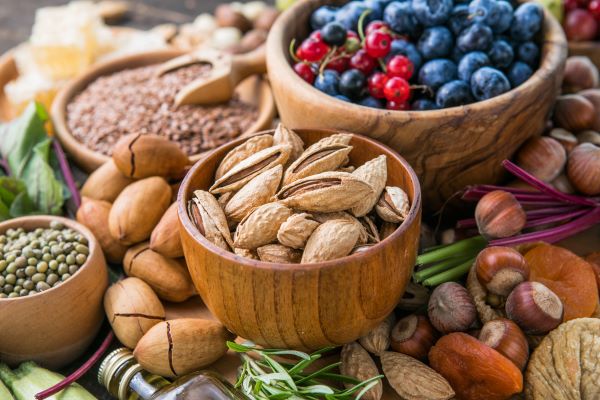
Diet plays a crucial role in maintaining heart health. Foods high in saturated fats, trans fats, and cholesterol can increase the risk of heart disease. On the other hand, a diet rich in fruits, vegetables, whole grains, and lean proteins can help protect the heart. Foods like fatty fish, rich in omega-3 fatty acids, are known to reduce the risk of arrhythmias and decrease triglyceride levels. It’s also important to limit salt intake to maintain healthy blood pressure levels, further safeguarding the heart.
Incorporating heart-healthy foods into one’s diet doesn’t have to be a daunting task. Simple swaps like choosing whole grains over refined ones, adding more leafy greens to meals, and opting for lean proteins can make a significant difference. Limiting the intake of processed foods, sugary beverages, and red meat can further enhance heart health. And finally, adequate hydration and mindful eating practices also play a key role in maintaining a heart-healthy diet.
Physical Activity

Regular physical activity is essential for a healthy heart. Exercise helps improve the heart’s efficiency, lowers blood pressure, and boosts good cholesterol levels. Engaging in at least 150 minutes of moderate-intensity aerobic exercise per week, such as brisk walking, swimming, or cycling, can significantly benefit heart health. When added twice a week, strength training complements cardiovascular exercises by enhancing overall fitness and endurance.
It’s not just structured exercise that contributes to heart health; daily physical activities like taking the stairs, gardening, or even house cleaning play a role. For those new to exercise, starting with shorter, manageable sessions and gradually increasing the duration and intensity is key. It’s also crucial to choose activities that are enjoyable to ensure consistency. Regular physical activity, combined with other heart-healthy practices, creates a solid foundation for cardiovascular well-being.
Managing Stress

Stress has a profound impact on the health of your heart. Chronic stress can lead to behaviors and factors that increase the risk of heart disease, such as high blood pressure and cholesterol levels. It can also trigger unhealthy habits like smoking, overeating, or not exercising, further endangering heart health. Learning to manage stress effectively is, therefore, essential for maintaining a healthy heart. Techniques like deep breathing, meditation, and mindfulness can significantly reduce stress levels.
Incorporating regular relaxation and stress-reduction activities into daily life can help mitigate the negative effects of stress on the heart. Activities such as yoga, tai chi, or simply spending time in nature can promote relaxation and reduce stress. Maintaining a positive outlook, seeking social support, and getting adequate sleep are also crucial for effective stress management. By addressing stress, individuals can take a significant step towards improving their heart health and overall well-being.