

Eating healthy does not always guarantee weight loss. Many nutritious foods are easy to overeat, calorie dense, or marketed in ways that make portions feel unlimited. Weight gain often happens not from eating poorly, but from eating too much of foods believed to be harmless. Understanding how healthy foods can still contribute to weight gain helps create better balance, smarter choices, and more sustainable results.
Nuts And Nut Butters
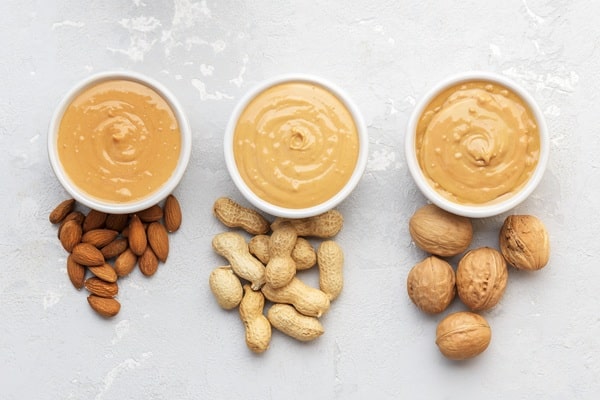
Nuts are rich in healthy fats, fiber, and minerals, which makes them a popular snack choice. Almonds, walnuts, cashews, and peanuts are often recommended for heart health and overall nutrition. However, nuts are also one of the most calorie dense foods available. A small handful can contain several hundred calories, especially when eaten frequently throughout the day.
Nut butters increase the risk even further because they are easy to consume quickly and in large amounts. Spreading peanut butter generously or eating it straight from the jar can add far more calories than intended. Because nuts are compact and do not take up much space in the stomach, they may not trigger fullness right away. Nuts can be part of a healthy diet, but portion control is essential to prevent gradual weight gain.
Avocados And Healthy Fats
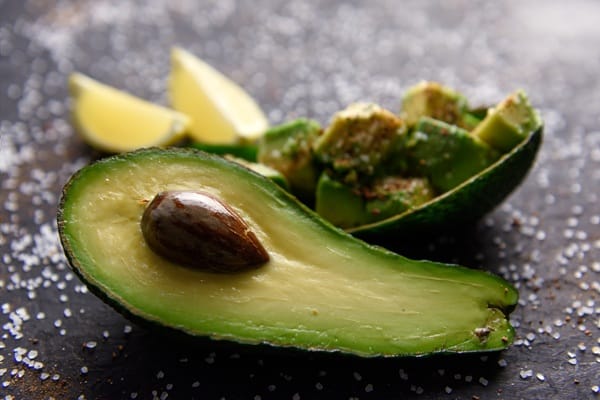
Avocados are widely praised for their healthy fat content, fiber, and vitamins. They are often added to meals to boost nutrition and satisfaction. While avocados offer many benefits, they are also high in calories. A single large avocado can contain more calories than many people expect, especially when combined with other fat rich ingredients.
Healthy fats still provide a high number of calories per gram. When avocados are used generously in multiple meals per day, calorie intake can rise quickly. Using smaller portions as a topping rather than a main component helps maintain balance. Healthy fats support nutrition, but they still require mindful use to avoid unintended weight gain.
Smoothies And Liquid Calories

Smoothies are commonly viewed as a convenient and healthy option, particularly for breakfast or post workout nutrition. Fruits, vegetables, and protein powders can provide nutrients, but smoothies often become calorie heavy without offering lasting fullness. Liquid calories do not slow digestion in the same way solid foods do.
Blending fruit removes much of the chewing process that signals fullness to the body. Adding ingredients like nut butter, honey, juice, yogurt, and protein powders can quickly turn a smoothie into a high calorie meal. Because smoothies are easy to drink, it is common to consume far more calories than intended. Smoothies can be useful, but they should be carefully balanced rather than treated as unlimited healthy options.
Whole Grains And Healthy Carbohydrates
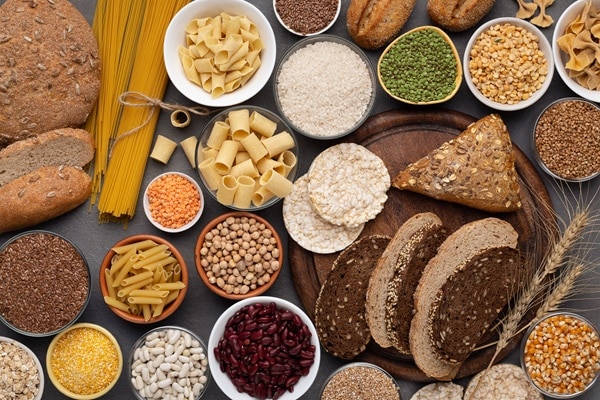
Whole grains such as oats, quinoa, brown rice, and whole wheat bread are often recommended as healthier alternatives to refined grains. They contain more fiber and nutrients, which supports digestion and energy. However, whole grains are still a significant source of calories and carbohydrates.
Many people overestimate how much whole grain food they need at each meal. Large portions without enough protein or vegetables can increase hunger later in the day. Whole grains should complement meals, not dominate them. Balanced portions help prevent weight gain while still allowing people to enjoy the nutritional benefits.
Dried Fruit And Natural Sweeteners
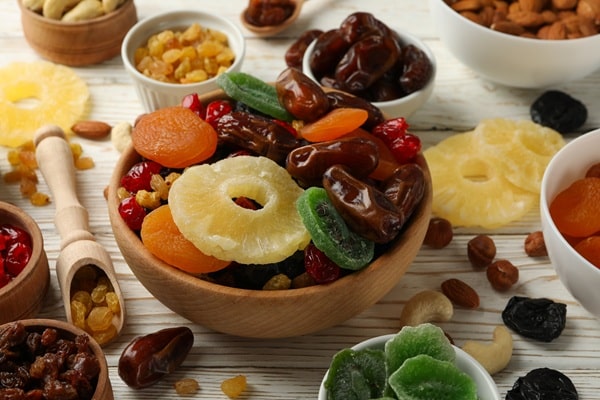
Dried fruit is often chosen as a healthier alternative to candy or desserts. While it does contain vitamins and minerals, drying fruit removes water and concentrates sugar and calories. A small amount of dried fruit can equal several servings of fresh fruit, making it easy to overeat.
Natural sweeteners such as honey, maple syrup, and agave are also commonly misunderstood. Although they may be less processed than white sugar, they still add calories quickly. Using these sweeteners generously in drinks, oatmeal, or baked goods can contribute to weight gain just as easily as refined sugar. Moderation remains important, regardless of how natural a sweetener may be.
Yogurt And Health Labeled Snacks

Yogurt is often associated with weight loss and digestive health, but many flavored varieties contain large amounts of added sugar. Low fat yogurts frequently compensate for reduced fat by increasing sweetness, which can raise calorie intake without improving fullness.
Health labeled snacks such as protein bars, granola bars, trail mixes, and baked chips can also be misleading. Marketing terms like organic, natural, or high protein often give the impression that these foods can be eaten freely. In reality, many are highly processed and calorie dense. Reading labels and limiting portions helps prevent these foods from becoming hidden contributors to weight gain.
Oils And Cooking Fats

Healthy oils such as olive oil, avocado oil, and coconut oil are staples in many nutritious diets. They provide flavor and support nutrient absorption, but they are pure fat and extremely calorie dense. Just one tablespoon of oil contains a significant number of calories, and multiple tablespoons can be added easily during cooking.
Because oils are liquid, they are often poured without measurement. This can add hundreds of calories to meals without increasing satiety. Measuring oil, using cooking sprays, or choosing cooking methods that require less fat helps maintain calorie balance while still enjoying flavorful food.
Why Healthy Foods Still Require Balance
A common misconception is that healthy foods do not need limits. Calories still matter, regardless of how nutritious a food may be. Weight gain occurs when intake consistently exceeds what the body uses, even when foods are high quality.
Healthy eating should focus on balance, not perfection. Portion size, frequency, and food combinations all influence results. Meals built around protein, fiber, and controlled portions support better appetite regulation and energy levels. Understanding this prevents frustration and helps maintain realistic expectations.
A Smarter Way To Approach Healthy Eating
Healthy eating works best when it supports satisfaction, consistency, and awareness. Rather than eliminating nutritious foods, adjusting portion sizes and meal composition leads to better outcomes. Paying attention to hunger cues and avoiding mindless snacking reduces accidental overeating.
Weight management is not about avoiding healthy foods but about using them intentionally. When nutritious foods are eaten with balance and awareness, they support wellness without contributing to unwanted weight gain. Understanding how healthy foods can still impact weight allows people to make smarter choices that align with long term health goals.