

Losing fat after age 40 often feels unfair. The same routines that once worked suddenly stall, motivation drops faster, and the body seems to fight back. This frustration usually leads to cutting calories harder or exercising longer, which only makes the problem worse. Fat loss at this stage of life is less about effort and more about avoiding common mistakes that quietly block progress. Once these issues are corrected, results tend to return in a more sustainable and predictable way.
Focusing Only on the Scale
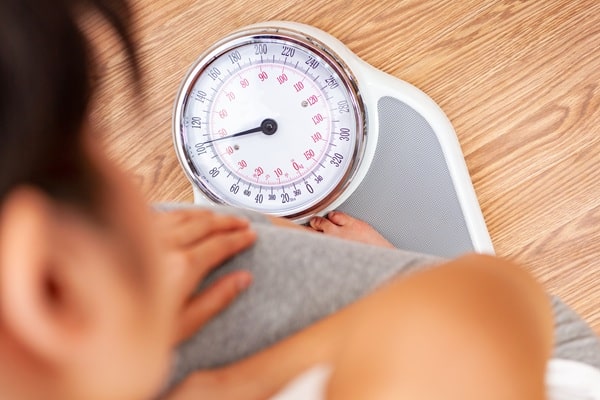
One of the biggest mistakes after 40 is relying entirely on the scale to judge progress. Body weight can fluctuate daily due to water retention, digestion, sodium intake, and muscle soreness. These fluctuations become more noticeable with age, making the scale an unreliable indicator of real fat loss. When the number does not move, frustration sets in and people often respond by eating less or training harder than necessary.
A better approach is focusing on body composition rather than scale weight alone. Waist measurements, how clothes fit, progress photos, and strength improvements offer clearer feedback. Fat loss can happen even when body weight stays the same, especially when muscle is being preserved. Paying attention to trends over weeks instead of days keeps motivation stable and prevents overcorrection.
Eating Too Little Protein
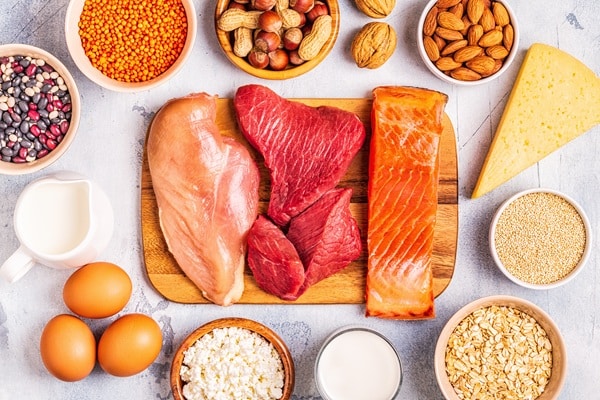
Protein intake becomes more important after 40, yet it is often unintentionally reduced during dieting. Skipping meals, relying on small snacks, or eating light breakfasts leads to lower protein intake overall. This increases hunger, reduces muscle retention, and creates a softer appearance even if weight decreases. Low protein intake also makes it harder to stay full, leading to cravings later in the day.
Building meals around protein helps solve several problems at once. Including a solid protein source at breakfast, lunch, and dinner supports muscle maintenance and keeps appetite under control. Simple options like eggs, yogurt, fish, poultry, beans, or tofu work well. Spreading protein evenly throughout the day improves satisfaction and makes calorie control feel less restrictive.
Doing Endless Cardio and Skipping Strength Training

Many people respond to plateaus by adding more cardio. While cardio has health benefits, relying on it alone during fat loss can backfire after 40. Excessive cardio combined with calorie restriction increases fatigue and makes muscle loss more likely. Losing muscle slows the rate at which the body uses energy and makes maintaining fat loss harder over time.
Strength training plays a critical role in fat loss after 40. Two or three full body sessions per week are enough to protect muscle and improve body shape. Exercises like squats, rows, presses, hinges, and carries support daily movement and posture. Gradual progression keeps workouts effective without stressing joints or recovery.
Ignoring Daily Movement Outside the Gym

Workouts get most of the attention, but daily movement often has a larger impact on fat loss. Sitting for long periods reduces overall energy use and can lead to stiffness and discomfort. After 40, non exercise movement tends to decline without notice, especially during busy or stressful periods. A few gym sessions per week cannot fully offset long hours of inactivity.
Increasing daily movement does not require intense effort. Short walks after meals, standing breaks during work, and consistent step targets add up quickly. These habits improve calorie balance without overloading the body. Regular movement also supports digestion, circulation, and recovery, making other healthy habits easier to maintain.
Poor Sleep That Increases Cravings

Sleep quality often declines with age, and poor sleep directly affects fat loss. Short or disrupted sleep increases hunger, reduces energy, and weakens decision making. Evening cravings become harder to manage, and workouts feel more difficult the next day. Many people blame lack of discipline when sleep is the real issue.
Improving sleep starts with simple routines. Keeping a consistent bedtime, reducing late caffeine, dimming lights, and creating a short wind down period can improve sleep quality. Planning a balanced dinner that includes protein and fiber helps prevent late night snacking. Better sleep makes healthy choices feel easier and more automatic.
Letting Stress Control Eating Habits

Stress is a major but overlooked factor in stalled fat loss after 40. High stress often leads to skipped meals, emotional eating, and reliance on convenience foods. It also reduces motivation for exercise and meal preparation. Over time, stress driven habits create inconsistency that looks like a slow metabolism.
Creating stress resistant routines helps break this cycle. Simple repeat meals during the workweek reduce decision fatigue. Scheduling workouts like appointments improves follow through. Non food stress outlets such as walking, stretching, or quiet time provide relief without calories. Lower stress improves consistency, which is essential for long term fat loss.
Overlooking Hormonal Changes

For many women, hormonal shifts during midlife affect body composition and fat distribution. Abdominal fat becomes more common, and muscle loss accelerates if strength training is neglected. Old dieting methods that relied on heavy restriction often become less effective and increase fatigue instead of results.
The most effective approach focuses on controllable habits. Strength training, adequate protein, daily movement, and quality sleep support body composition through hormonal changes. Tracking waist measurements and strength progress helps identify improvements that the scale may not show. Consistency with these basics produces better results than extreme adjustments.
Hidden Calories and Weekend Reset Cycles
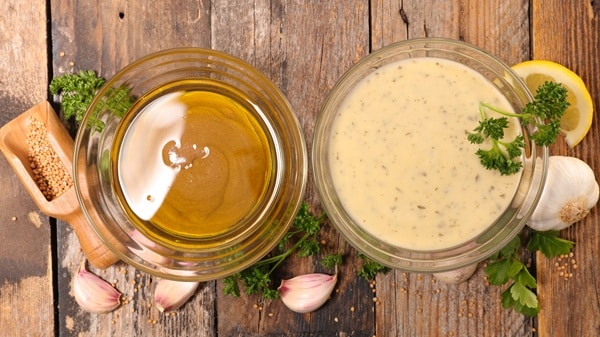
Another common mistake is underestimating calorie intake. Even healthy foods can be calorie dense, and small extras add up quickly. Cooking oils, dressings, snacks, drinks, and larger weekend portions often erase weekday progress. This creates unpredictable results and frequent plateaus.
A simple consistency plan prevents this issue. Using the plate method, pre portioning calorie dense foods, and setting a weekly treat allowance keeps intake balanced. Short periods of tracking can be used as an audit tool when progress stalls. Returning to a flexible structure afterward helps maintain results without obsession.
The Smarter Way Forward After 40
Fat loss after 40 is not about doing more. It is about doing the right things consistently. Avoiding common mistakes related to protein intake, muscle loss, movement, sleep, stress, and hidden calories allows the body to respond again. When habits support the body instead of fighting it, fat loss becomes steady and sustainable. Small corrections applied consistently often lead to better results than drastic changes ever could.