Are you looking to enhance your fitness routine and see real results in your weight loss journey? Cardiovascular exercise might just be your answer. Known for its efficiency in burning calories and boosting overall health, cardio can be your powerful ally against unwanted pounds. This post unveils various cardio secrets that will revitalize your workouts and maximize fat burning. Dive in to discover how you can transform your body and mind with these effective strategies.
Exploring the Basics of Cardiovascular Exercise
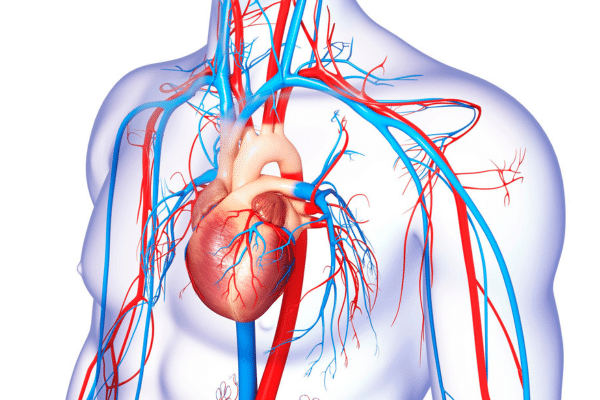
Cardiovascular exercise, often simply called cardio, involves any activity that increases your heart rate and keeps it elevated for a prolonged period. Common forms include running, cycling, swimming, and aerobics. The primary goal of cardio is to strengthen your heart and lungs while burning calories, making it a cornerstone of any fitness regimen. By integrating cardio into your routine, you not only improve your cardiovascular health but also enhance your body’s ability to burn fat.
The variety of cardio exercises available means there’s something for everyone, regardless of fitness level or personal preference. High-intensity interval training (HIIT) offers a fast-paced, calorie-burning workout, while steady-state cardio provides a consistent, moderate effort over a longer duration. Other forms, like circuit training, combine elements of strength and cardio, boosting overall fitness and preventing workout monotony. Choosing the right type of cardio can keep you engaged and committed to your fitness goals.
The Science of Fat Loss with Cardio

Cardio exercises are pivotal in creating a caloric deficit, which is essential for weight loss. When you engage in physical activity, your body burns calories stored in fat as fuel, leading to fat loss. The intensity and duration of the exercise will dictate how many calories you burn, making cardio a customizable tool for managing body weight. Furthermore, consistent cardio training increases your metabolic rate, which means you’ll continue to burn calories even at rest.
The concept of Excess Post-exercise Oxygen Consumption (EPOC), also known as the afterburn effect, refers to the increased rate of oxygen intake following strenuous activity. This phenomenon means your body continues to burn calories at an elevated rate even after your workout has ended. By incorporating exercises that trigger EPOC, such as high-intensity workouts or interval training, you can enhance your overall caloric burn and accelerate weight loss.
Optimal Duration and Frequency

To maximize the benefits of cardio for weight loss, it’s crucial to adhere to certain guidelines regarding the duration and frequency of your workouts. Experts typically recommend at least 150 minutes of moderate-intensity cardio or 75 minutes of high-intensity cardio per week for significant health benefits and effective fat loss. Distributing these sessions throughout the week can help maintain a consistent calorie burn and support ongoing weight management.
However, these guidelines should be adapted based on individual fitness levels and weight loss goals. For someone just starting out, shorter, more frequent sessions might be more manageable and gradually build up to the recommended amounts. Conversely, those with higher fitness levels may require more prolonged or more intense sessions to continue seeing results. Listening to your body and adjusting your workout regimen accordingly can help you maintain progress and avoid hitting a plateau.