Intermittent fasting has become a popular approach to weight loss and overall health improvement. Among the various methods, the 14/10 fasting method stands out for its flexibility and simplicity, making it an excellent choice for beginners. This approach involves a 14-hour fasting period followed by a 10-hour eating window, allowing for a balanced lifestyle without extreme restrictions. In this article, we’ll explore the 14/10 fasting method in detail, discussing its principles, health benefits, and practical tips for getting started, ensuring you have all the information you need to decide if this method is right for you.
Understanding the 14/10 Fasting Method

The 14/10 fasting method is a straightforward approach to intermittent fasting. It involves fasting for 14 hours each day and restricting eating to a 10-hour window. This method is less restrictive compared to the popular 16/8 method, where the fasting period is extended to 16 hours. By allowing a shorter fasting period, the 14/10 method is more accessible for those new to intermittent fasting or with busy lifestyles.
One of the main reasons the 14/10 method is considered flexible is its adaptability. You can choose any 10-hour window that fits your daily routine, making it easier to maintain. For example, if you prefer having breakfast at 8 AM, your eating window would close at 6 PM. This flexibility helps in reducing the psychological stress often associated with stricter fasting schedules, making it a sustainable long-term approach.
Health Benefits of the 14/10 Fasting Method
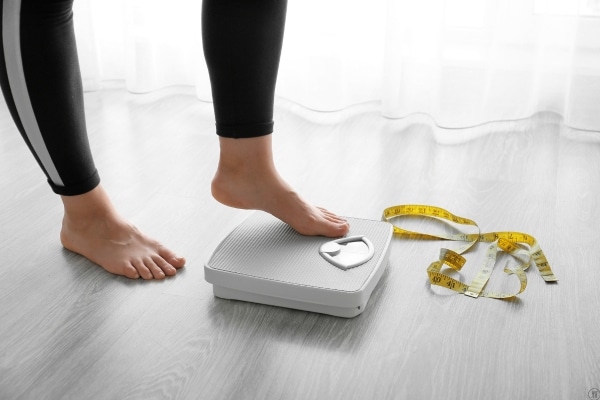
The 14/10 fasting method offers numerous health benefits, particularly for weight loss and metabolic health. Fasting for 14 hours can enhance your body’s ability to burn fat for energy, helping you shed extra pounds more effectively. Additionally, it helps regulate insulin levels, reducing the risk of insulin resistance and type 2 diabetes. By giving your digestive system a break, fasting can also improve gut health and reduce inflammation.
Mental clarity and focus are other significant benefits of the 14/10 fasting method. Many individuals report feeling more alert and concentrated during fasting periods. This cognitive boost is believed to be due to stable blood sugar levels and the production of ketones, which provide an efficient energy source for the brain. Furthermore, intermittent fasting can lower the risk of chronic diseases such as heart disease and certain cancers, contributing to long-term health and longevity.
Getting Started with 14/10 Fasting

Transitioning to the 14/10 fasting method requires some preparation to ensure a smooth and successful experience. Start by gradually adjusting your meal times and slowly extending your fasting period until you reach the 14-hour mark. This approach helps your body adapt without experiencing severe hunger pangs or energy crashes. Staying hydrated is crucial, so make sure to drink plenty of water throughout the day.
Planning your eating window is essential for maintaining consistency. Choose a 10-hour window that aligns with your daily routine and personal preferences. For example, if you are an early riser, an 8 AM to 6 PM eating window might work best. During your eating window, focus on consuming balanced, nutrient-dense meals. Prioritize whole foods like fruits, vegetables, lean proteins, and healthy fats while avoiding processed foods and excessive snacking to maximize the benefits of the fasting period.
Tips for Success with 14/10 Fasting

Staying hydrated is one of the most important tips for success with the 14/10 fasting method. Drinking plenty of water throughout the day helps curb hunger and keeps your body functioning optimally. Herbal teas and black coffee can also be consumed during fasting periods as they have minimal calories. Additionally, avoiding sugary drinks and excessive caffeine is crucial, as these can lead to energy crashes and dehydration.
Listening to your body is another key to success. Recognize your hunger cues and avoid overeating during your eating window. It’s beneficial to eat slowly and mindfully, allowing your body to signal when it is full. Incorporating regular physical activity can further enhance the benefits of fasting. Aim to schedule your workouts within your eating window to ensure you have enough energy and nutrients to support your exercise routine. Both strength training and cardiovascular exercises can be effective, depending on your fitness goals.