With increasing interest in fitness and health, your kitchen habits play a pivotal role in shaping your overall wellness. Cooking isn’t just an art; it’s a tool that you can wield to nourish your body, fuel your workouts, and achieve your health goals. This post will explore the world of culinary techniques for healthy eating, guiding you on your journey toward fitness and well-being. It will venture into understanding nutrition, tailoring diets, learning healthy cooking methods, and even choosing the right kitchen tools. Let’s start uncovering the health potential within your own kitchen!
Understanding The Basics Of Nutrition

Proper nutrition forms the bedrock of any fitness journey. The first step towards health-conscious cooking is understanding nutritional basics, particularly macronutrients and micronutrients. Macronutrients, including proteins, carbohydrates, and fats, serve as the primary energy source and perform critical bodily functions. On the other hand, micronutrients, like vitamins and minerals, while required in smaller amounts, are essential for overall well-being, supporting immune function, bone health, and cellular processes.
A balanced diet incorporates an optimal mix of these nutrients, promoting health and preventing diseases. This balance varies based on individual health, activity levels, age, and more. Yet, the cornerstone remains: a diet rich in fruits, vegetables, lean proteins, whole grains, and healthy fats, and low in processed foods, saturated and trans fats, and added sugars. Understanding these nutritional components can make your cooking healthier and your fitness journey smoother.
Tailoring Your Diet To Your Fitness Goals
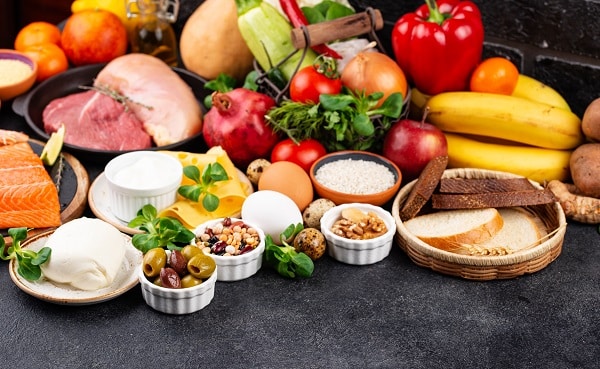
Just as fitness goals differ from person to person, so do dietary requirements. Losing weight, building muscle, and enhancing endurance each necessitates distinct nutritional profiles. Weight loss, for instance, typically requires a caloric deficit, meaning you consume fewer calories than you burn. Conversely, muscle gain might require a higher protein intake to support muscle repair and growth.
An essential aspect of tailoring your diet to fitness goals is understanding portion control. The quantity of food you consume impacts your caloric intake and, subsequently, your fitness outcomes. Therefore, incorporating proper portion sizes into your cooking routines can support your health and fitness aspirations, ensuring you’re fueling your body adequately without overeating.
Healthy Cooking Techniques

The way you cook your food can significantly influence its nutritional content and overall health impact. Choosing healthier cooking methods can retain more nutrients in your meals and reduce harmful compounds. Steaming, for example, is an excellent method for cooking vegetables without losing their nutritional value. It uses no oil, preserving the vitamins and minerals typically lost in water when boiling.
On the other hand, methods such as baking and grilling are perfect for proteins like chicken, fish, and lean meats. These techniques require minimal oil, thus keeping the dishes low in unhealthy fats. Contrastingly, deep-frying or using excessive unhealthy oils can add unnecessary calories and unhealthy fats to your meals. By selecting healthier cooking techniques, you can enjoy a wide range of foods without compromising on nutrition and taste.
Kitchen Tools For Healthy Cooking
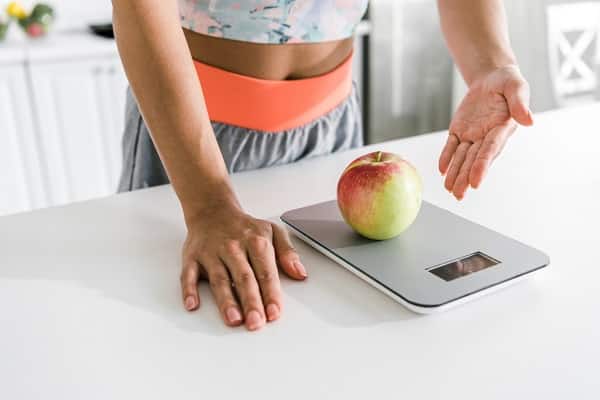
The right kitchen tools can be allies in your quest for fitness, facilitating healthier cooking practices. For instance, a food scale is a vital tool in managing portion sizes, helping you measure your food intake accurately. It can aid in tracking your macros and keeping you in line with your dietary goals. Non-stick cookware, another useful kitchen implement, allows you to cook with less or no oil, reducing the added fat in your meals.
A steamer is also a valuable addition to your kitchen, particularly for preserving the nutrients in vegetables and lean meats. Slow cookers can also be excellent for preparing healthy, low-fat meals with minimal effort. These tools, among others, can support your healthy cooking practices, making your culinary journey toward fitness more effortless and enjoyable.