Understanding And Choosing Healthy Ingredients

Choosing healthy ingredients is just as important as how you cook them. Start by learning to read food labels: look for the nutritional content, the amount of added sugar, unhealthy fats, and sodium. Additionally, understand the ingredients list; the fewer the ingredients, typically, the less processed the food is. Moreover, ingredients are listed in order of quantity; the first few ingredients make up the majority of the food.
Opting for whole foods and minimally processed ingredients can considerably enhance the nutritional quality of your meals. Fresh fruits, vegetables, whole grains, lean proteins, and healthy fats are your best bets. Additionally, try to limit your intake of processed foods, which are often high in unhealthy fats, sugars, and sodium. Through informed choices, you can infuse your meals with nutritious, flavorful, and diverse ingredients.
Practical Recipe Modifications For Healthier Meals
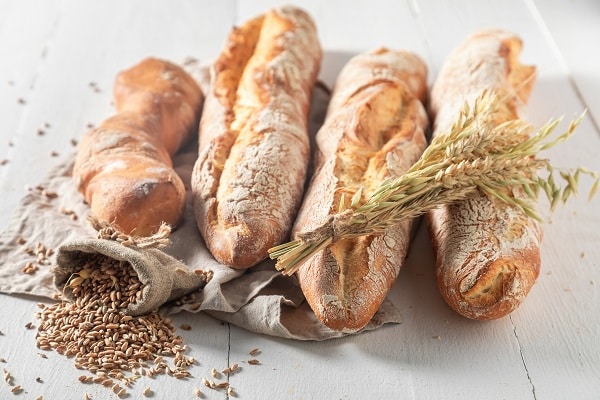
Modifying your favorite recipes for better health doesn’t mean you have to compromise on taste. Simple swaps and substitutions can reduce unhealthy elements while enhancing nutrition. For instance, you could replace refined grains with whole grains in your recipes, which offers more fiber and keeps you fuller for longer. Similarly, substituting unhealthy saturated and trans fats with healthier fats, like those from avocados, nuts, and seeds, can benefit heart health.
Additionally, consider ways to reduce added sugars and sodium in your recipes. Instead of sugar, experiment with natural sweeteners like honey or fruit purees. Use herbs and spices for flavor rather than relying heavily on salt. These simple yet effective modifications can transform your meals into nutrient-dense, fitness-friendly dishes without sacrificing taste.
Meal Planning And Preparation
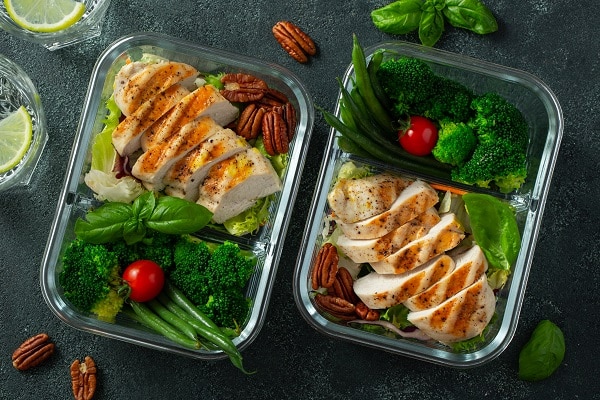
Meal planning and preparation are integral parts of cooking for fitness. Planning your meals in advance can help ensure you’re consuming a well-rounded, balanced diet that aligns with your fitness goals. You can prepare a weekly menu, which includes a variety of fruits, vegetables, proteins, and whole grains, ensuring your diet doesn’t become monotonous.
Meal prepping, or cooking meals in bulk and storing them for future use, is a practical way to maintain a healthy diet, particularly when you’re short on time. It aids in portion control, prevents reliance on unhealthy, quick meal options, and reduces food waste. Moreover, it allows you to create consistent, nutritious, and tasty meals, supporting your fitness goals efficiently.
Exploring Global Cuisines For Healthy Inspiration

Drawing inspiration from global cuisines can introduce you to diverse and nutritious foods. For instance, the Mediterranean diet, praised worldwide for its health benefits, places heavy emphasis on fruits, vegetables, whole grains, legumes, and olive oil. These ingredients, combined with moderate consumption of fish and poultry, create a diet rich in fiber, lean protein, and healthy fats.
Similarly, Japanese cuisine, known for its minimalistic and natural approach, is another excellent source of inspiration. It is abundant in fish, seaweeds, fermented foods, and green tea, promoting a diet high in omega-3 fatty acids, probiotics, and antioxidants. By exploring and incorporating elements from these and other global cuisines, you can enrich your meals with various healthful, flavorful ingredients and cooking techniques.
Maintaining A Healthy Relationship With Food

In your pursuit of fitness, it’s essential to maintain a healthy relationship with food. It’s easy to fall into the trap of seeing certain foods as ‘good’ or ‘bad.’ However, this mentality can create unnecessary guilt around eating and disrupt a balanced diet. Instead, focus on nourishing your body with a variety of foods, understanding that all foods can fit into a balanced diet in moderation.
Mindful eating is another valuable practice that promotes a positive relationship with food. It encourages being present during meals, appreciating the food, and listening to your body’s hunger and fullness cues. It’s not just about what you eat, but also how you eat. Together, these strategies can foster a healthier relationship with food, making your fitness journey more sustainable and enjoyable.
Utilize These Culinary Techniques For Healthy Eating!
This post has traversed through the domains of understanding nutrition and culinary techniques for healthy eating. Each of these facets plays a crucial role in utilizing cooking as a tool for fitness. With these strategies in hand, it is time to step into your kitchen and explore the transformative power of cooking. As you cook for fitness, remember that balance, variety, moderation, and enjoyment are the keys to a healthy, sustainable lifestyle!