The Social Aspect Of Dance
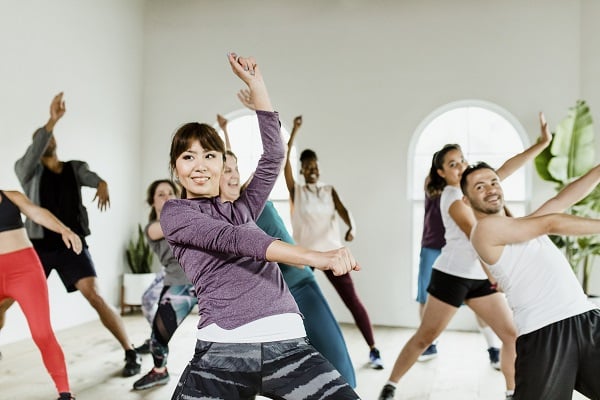
Dancing often brings people together, fostering a sense of community. Whether in a dance class, a social dance event, or even a dance fitness class at the gym, dance provides opportunities to meet new people, make connections, and build friendships. For many, this social aspect of dance makes it more enjoyable than solitary exercise.
Moreover, dance can break down barriers and foster diversity. As a universal language, dance transcends cultural, linguistic, and socioeconomic boundaries. It brings together people from different walks of life, promoting mutual understanding and respect. The shared dance experience can strengthen community ties, facilitating social cohesion and inclusivity.
Dancing Safely – Tips And Precautions
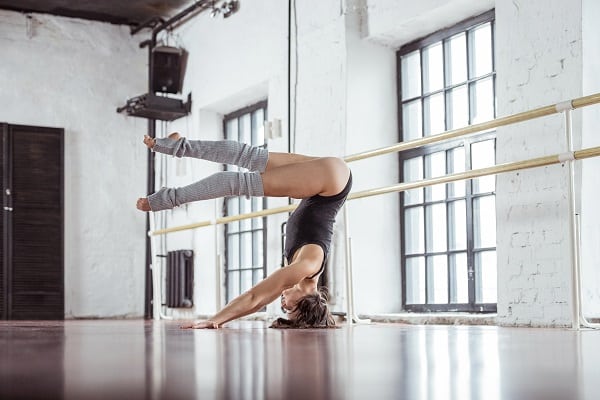
A critical aspect of dance fitness is to ensure safety. This involves a proper warm-up routine, which prepares the body for the physical exertion of dance, increases body temperature, and improves flexibility. Similarly, a cool-down routine after dancing helps gradually reduce heart rate, relaxes muscles, and improves recovery, preventing muscle soreness and injury.
In addition to warm-up and cool-down routines, choosing the right gear and environment for dancing is important. Wearing comfortable, flexible clothing allows for unrestricted movement. Choosing footwear that provides appropriate support and cushioning can prevent foot and ankle injuries. Additionally, dancing in a spacious, well-lit environment with a suitable floor can help avoid accidents and make the dance experience more enjoyable.
How To Get Started With Dance Fitness
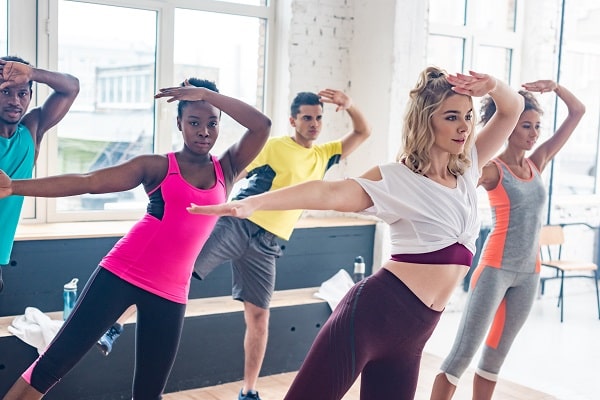
Starting with dance fitness involves finding a style that aligns with your fitness goals and personal preferences. This could be a high-energy dance like Zumba if your goal is to improve cardiovascular health or a ballet-inspired workout if you wish to enhance strength and flexibility. Choosing a style you enjoy is important, as this increases the likelihood of sticking with it.
Numerous resources are available for learning dance, from in-person classes to online tutorials and apps. Many dance studios offer beginners classes, and countless online platforms provide dance lessons for various styles. Setting realistic and achievable dance fitness goals can also help maintain motivation. Start with small, manageable goals, and gradually increase the complexity of the dance routines and the duration of your dance sessions as your fitness improves.
The Joy Of Movement: Stories And Testimonials
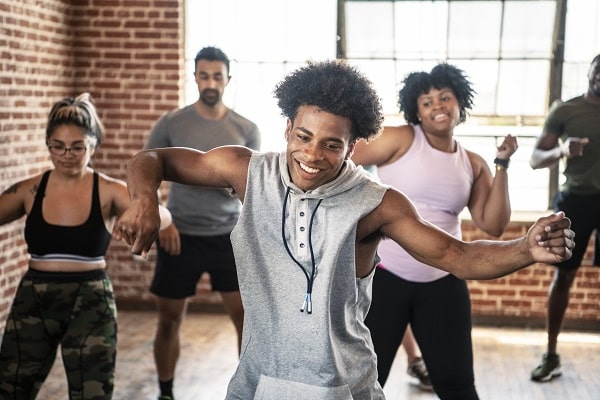
Stories of individuals who have embraced dance fitness can be incredibly inspiring. Hearing about their experiences can provide motivation and give a glimpse into the transformative power of dance. Whether it’s a person who has improved their cardiovascular health through Zumba or has built strength and flexibility through ballet, these stories underline the myriad benefits of dance.
Ultimately, the aim is to embrace dance as a joyful form of movement. Beyond the physical and mental benefits, dance brings happiness and satisfaction. It adds a creative, expressive element to fitness, making the journey toward health and wellness more enjoyable.
The Bottom Line
The art of dance is a powerful tool for fitness, offering a unique blend of physical, mental, and social benefits. Whether improving cardiovascular health, building strength, reducing stress, or making social connections, dance offers a comprehensive approach to health and wellness. With different styles and resources readily available, starting with dance fitness is easier than ever. So, why not try dancing for fitness and discover the joy of movement?
Sources:
- Mayo Clinic: Aerobic exercise: Top 10 reasons to get physical
- American Council on Exercise: Dance Fitness – A Fun Way to Get Fit