Integrating Fitness Tracker With Diet Plans

Fitness trackers aren’t just for monitoring your physical activity; they can also be a powerful tool for managing your diet. Many trackers offer features that monitor your caloric intake and expenditure, providing a clear picture of your energy balance, which is crucial for weight loss. By inputting the food you eat, you can keep track of your daily caloric intake and compare it against your calories burned.
Furthermore, there are several apps you can sync with fitness trackers to make meal planning and tracking easier. These apps contain vast databases of food items, allowing you to log your meals accurately. Combining exercise data from your fitness tracker with diet information from these apps can provide a comprehensive view of your weight loss journey, enabling you to make informed dietary decisions and adjust your workout routines as needed.
Making Exercise Fun With Fitness Trackers

Fitness trackers have features that make exercise more enjoyable. By introducing elements of gamification such as achievements, badges, and competitions, these trackers can motivate you to stay active. For instance, completing a certain number of steps in a day might earn you a badge, creating a sense of achievement.
Moreover, you can compete with friends or other users in step challenges, turning exercise into a fun and social activity. Such competitions not only make working out enjoyable but also encourage you to move more, aiding your weight loss journey. So don’t just view your fitness tracker as a monitoring tool; use it to inject some fun into your workouts too!
Fitness Tracker And Sleep: The Unseen Link

Sleep plays an essential role in weight loss, and fitness trackers can be a valuable tool to monitor your sleep quality. These devices can track your sleep stages, duration, and interruptions, providing a comprehensive view of your sleep patterns. By understanding your sleep data, you can make necessary adjustments to improve your sleep quality, which in turn can support your weight loss efforts.
In addition, setting sleep goals on your tracker can encourage better sleep habits. For instance, if you’re falling short on deep sleep, you might want to adjust your bedtime routine or make your sleep environment more conducive. Remember, good sleep is as essential as diet and exercise for weight loss, so don’t neglect this vital aspect of your fitness journey.
Maintaining Privacy While Using Fitness Trackers
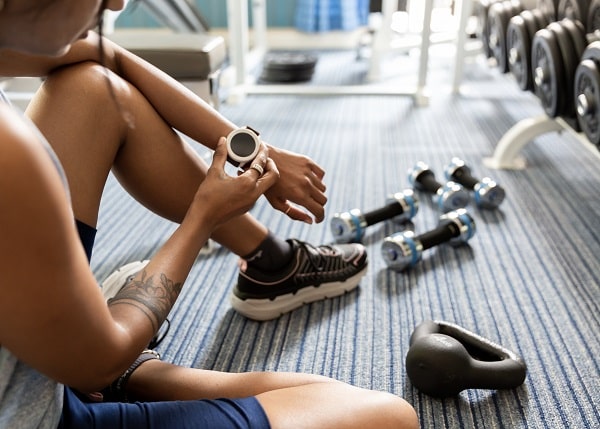
As with any digital device, using a fitness tracker involves sharing some level of personal data. Many trackers collect data like your location, heart rate, and even sleep patterns, which could be a privacy concern for some users. It’s essential to understand how the device is using your data and how to manage your privacy settings.
Most fitness trackers allow users to control data-sharing settings. You can decide whether to share your data with third parties and in many cases, you can also choose to anonymize your data. It’s important to familiarize yourself with these settings to ensure you’re comfortable with the level of data privacy your fitness tracker offers.
Making Fitness Trackers A Sustainable Part Of Your Routine

The initial excitement of using a fitness tracker can fade over time, but it’s essential to make it a sustainable part of your routine. Consistency is key to successful weight loss, and your tracker can serve as a constant reminder of your goals. Set a routine of wearing your tracker, checking your progress, and updating your goals regularly.
Furthermore, use your tracker to stay accountable. Share your progress with friends or family, or join a community of fitness tracker users for support and motivation. Your tracker is more than just a device; it’s a tool that can help you stay on track with your weight loss journey in the long term.
Make The Most Of Your Fitness Tracker!
Fitness trackers have undoubtedly transformed the landscape of health and fitness, particularly for weight loss. By providing a wealth of real-time data, encouraging more activity through gamification, and helping monitor your sleep and diet, these devices can be invaluable companions on your weight loss journey. Despite their limitations and potential privacy concerns, with the right understanding and approach, you can truly harness their power for your benefit.