Sugar is a ubiquitous component of many diets today, but consuming it excessively can take a heavy toll on your health. From weight gain and tooth decay to diabetes and heart disease, the potential impacts of high sugar intake are serious and far-reaching. Meanwhile, the urge to consume sweet foods, better known as sugar cravings, can be a significant obstacle to maintaining a balanced, healthful diet. However, with the right strategies and understanding, it’s possible to kick sugar cravings to the curb and lead a healthier lifestyle.
Understanding The Impact Of Sugar On Your Health

Sugar, in moderation, is a natural part of your diet. However, excessive consumption can wreak havoc on your body’s systems, particularly the immune and cardiovascular ones. High sugar intake triggers inflammatory responses, which can strain the immune system and make you more susceptible to illnesses. Moreover, overconsumption can also result in the accumulation of harmful cholesterol and triglycerides in your bloodstream, elevating the risk of heart disease.
High sugar consumption also has a direct correlation with obesity and diabetes, two global health crises that continue to rise. The simple sugars in candy, sodas, and baked goods cause blood sugar levels to spike, which can lead to insulin resistance over time, a precursor to diabetes. Obesity, on the other hand, is frequently the result of a high-calorie diet, which often includes foods high in added sugars.
Kick Sugar Cravings: An Essential Step Towards a Healthy Life
Managing and reducing sugar cravings isn’t just about cutting back on sweets—it’s an essential step towards a holistic improvement in health. As you transition into discussing strategies to kick these cravings, bear in mind that this journey requires persistence, patience, and a willingness to make lifestyle changes.
Know Your Sugars

Understanding the different types of sugars is key to managing your intake. Sugars can be divided into two categories: natural sugars, found in foods like fruits and dairy, and added sugars, which are incorporated into foods during processing or preparation. While natural sugars are part of a balanced diet, added sugars contribute to calorie intake without supplying any essential nutrients.
Becoming adept at reading and understanding food labels is critical to uncovering hidden sugars. Many foods marketed as ‘healthy’ or ‘low fat’ may be laden with added sugars to compensate for a lack of taste. Be on the lookout for terms like corn syrup, dextrose, fructose, and glucose, which are all forms of added sugar.
Maintain A Balanced Diet
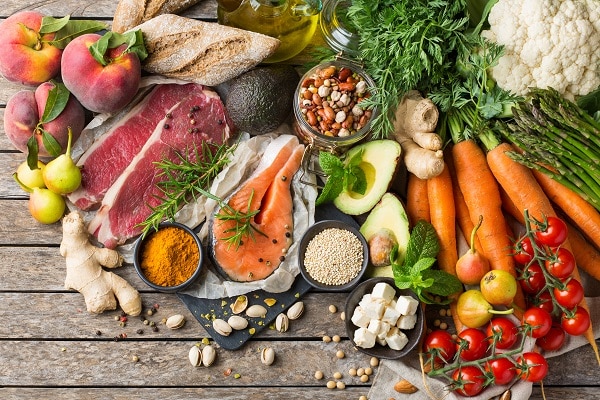
Maintaining a balanced diet plays a crucial role in controlling sugar cravings. Consuming adequate amounts of protein, fiber, and healthy fats at each meal can help regulate your blood sugar levels and prevent cravings. For instance, starting your day with a protein-rich breakfast, such as eggs or Greek yogurt, can keep you satiated and reduce the urge to reach for a mid-morning sugary snack.
Consider making some low-sugar swaps in your diet. For instance, instead of a sugary breakfast cereal, opt for oatmeal topped with fresh fruit. Instead of soda, try seltzer water with a splash of 100% fruit juice. Small changes like these can significantly reduce your overall sugar intake while still satisfying your taste buds.