Muscle loss is a natural part of aging but must not be inevitable. As the body ages, it gradually loses muscle mass, a condition known as sarcopenia. This decline can lead to weakness, mobility issues, and an increased risk of falls and injuries. However, muscle loss can be slowed or even reversed with the right approach. Strength training, proper nutrition, and consistent physical activity play key roles in maintaining muscle health. Recovery, sleep, and stress management are critical to preserving strength and function. Older adults can maintain muscle mass and enjoy independence, mobility, and overall well-being by making simple yet effective lifestyle changes. Taking proactive steps now ensures that aging does not mean losing the ability to stay strong and active.
Understanding Muscle Loss as You Age
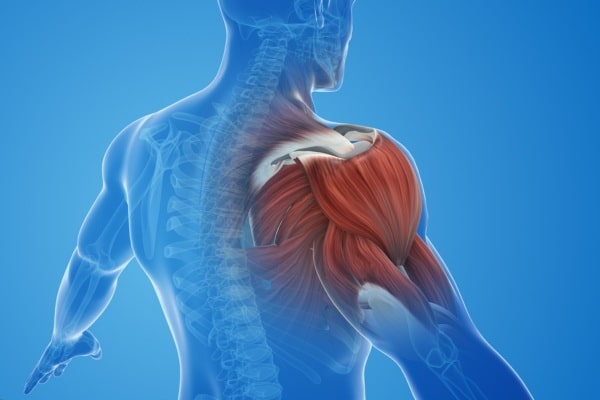
Muscle mass naturally declines with age due to changes in muscle fibers and hormonal shifts. After 30, individuals can lose up to 3-5% of their muscle mass per decade, with the rate accelerating after 60. This process occurs because the body becomes less efficient at repairing and rebuilding muscle tissue. Decreased levels of hormones such as testosterone and growth hormone contribute to this decline, making it harder to maintain muscle strength. Muscle loss can significantly impact daily activities without intervention, leading to reduced mobility and independence.
Losing muscle mass affects more than just strength—it also influences overall health and quality of life. Reduced muscle strength increases the risk of falls, fractures, and chronic conditions like osteoporosis and type 2 diabetes. Daily tasks such as carrying groceries, climbing stairs, or standing up from a chair become more complex. While aging is inevitable, muscle loss does not have to be. Individuals can take proactive steps to slow the process and maintain functional strength for years by understanding the factors behind muscle decline.
The Importance of Strength Training

Strength training is one of the most effective ways to combat age-related muscle loss. Resistance exercises stimulate muscle fibers, encouraging growth and preventing further decline. Lifting weights, resistance bands, or bodyweight exercises can improve muscle strength and endurance. Simple movements such as squats, lunges, and push-ups can make a significant difference. Regular strength training preserves muscle mass and supports joint health, reduces the risk of falls, and improves overall stability.
Consistency is key when it comes to strength training. Resistance exercises at least two to three times weekly can yield noticeable benefits. Beginners should start with light weights and gradually increase intensity to avoid injury. Proper form and technique are essential to prevent strain on muscles and joints. By incorporating strength training into a regular fitness routine, individuals can maintain muscle mass, boost metabolism, and enhance their overall quality of life.
Nutrition: Fueling Your Muscles for Longevity

Maintaining muscle mass is not just about exercise—it also requires proper nutrition. Protein is a fundamental component of muscle health, providing the essential amino acids for muscle repair and growth. Older adults should aim to consume high-quality protein sources such as lean meats, fish, eggs, dairy, legumes, and plant-based proteins. Spreading protein intake evenly throughout the day can maximize muscle protein synthesis and prevent muscle breakdown.
In addition to protein, other nutrients play a crucial role in muscle maintenance. Vitamin D and calcium support bone health, essential for overall strength and mobility. Omega-3 fatty acids help reduce inflammation and support muscle function. Staying hydrated is equally important, as dehydration can contribute to muscle fatigue and cramping. A well-balanced diet that includes these key nutrients ensures that muscles remain strong and resilient throughout aging.
Cardiovascular Exercise and Muscle Health

Cardiovascular exercise is often associated with heart health, but it also plays a crucial role in maintaining muscle mass. Brisk walking, cycling, and swimming improve circulation and deliver oxygen-rich blood to muscles, promoting recovery and endurance. While excessive cardio can contribute to muscle loss if not balanced with strength training, moderate aerobic activity supports muscle retention and overall physical health.
The best approach is to combine low-impact cardio and strength training. Exercises like rowing, stair climbing, and interval training provide cardiovascular benefits while engaging muscles effectively. Maintaining an active lifestyle helps prevent muscle deterioration and supports energy levels. By finding enjoyable forms of cardiovascular exercise, individuals can sustain long-term fitness habits that promote muscle health and overall well-being.
The Power of Recovery and Sleep

Recovery is just as important as exercise for maintaining muscle mass. Strength training creates tiny tears in muscle fibers, which need time to repair and grow stronger. Without proper recovery, muscles remain in constant stress, leading to fatigue and increased injury risk. Rest days allow muscles to rebuild and adapt, making them more resilient. Incorporating stretching, massage, and relaxation techniques can further aid muscle recovery.
Sleep is another vital component of muscle maintenance. During deep sleep, the body releases growth hormones that support muscle repair and regeneration. Poor sleep quality can lead to muscle breakdown, increased stress hormones, and reduced energy levels. Older adults should aim for at least seven to nine hours of quality sleep per night. Creating a consistent sleep routine and minimizing screen time before bed can enhance rest and promote muscle health.
Managing Stress and Its Impact on Muscles

Chronic stress negatively affects muscle health by increasing cortisol levels, a hormone that contributes to muscle breakdown. High cortisol levels can lead to increased fatigue, slower recovery times, and reduced muscle growth. Stress-related inflammation also interferes with muscle function, making it harder to maintain strength and endurance. Managing stress is essential for preserving muscle mass and overall health.
Incorporating stress-reduction techniques can help mitigate these effects. Meditation, deep breathing, and yoga promote relaxation and improve mental well-being. Engaging in enjoyable activities and maintaining social connections can also reduce stress levels. By managing stress effectively, individuals can prevent muscle loss and support a healthier, more active lifestyle.
Consistency is Key: Developing a Long-Term Strategy

Maintaining muscle mass requires a long-term commitment to a balanced lifestyle. Setting realistic and achievable fitness goals helps create sustainable habits. Tracking progress through measurements, strength improvements, or endurance levels can keep motivation high. Adjusting routines as needed ensures continued growth and prevents stagnation.
Building a support system can also make a significant difference. Whether joining a fitness class, working with a personal trainer, or exercising with friends, accountability is key to long-term success. Consistency in strength training, nutrition, and recovery is essential for maintaining muscle mass and overall well-being. A steady, well-planned approach ensures that aging does not mean losing strength, mobility, or independence.
The Role of Professional Guidance in Aging and Fitness

Seeking professional guidance can provide valuable support in maintaining muscle health. A personal trainer or physical therapist can design a customized workout plan tailored to individual needs and limitations. Proper guidance ensures safe and effective exercise execution, reducing the risk of injury. A fitness professional can modify routines for those with pre-existing conditions to accommodate specific challenges.
Consulting a healthcare provider is equally important. Regular check-ups help monitor muscle health, hormone levels, and overall fitness. Physicians can recommend dietary adjustments, supplements, or medical interventions when necessary. Professional support provides confidence and direction, ensuring individuals can maintain muscle mass and enjoy an active, healthy life.
Empowering Your Muscle Maintenance Journey
Aging does not have to mean losing muscle strength or mobility. Individuals can preserve muscle mass and maintain independence by incorporating strength training, proper nutrition, cardiovascular exercise, and recovery strategies. Stress management and consistency are vital for long-term success, ensuring that fitness remains a sustainable part of daily life. Seeking professional guidance further enhances results, providing personalized support for safe and effective progress. Maintaining muscle mass becomes an achievable goal at any age with the right approach. Taking action today leads to a stronger, healthier future.