Incorporating more protein into your diet is crucial for maintaining good health. Not only does protein play a vital role in building and repairing tissues in the body, but it also helps to support a healthy weight and immune function. However, many people need help to get enough protein in their diet, particularly if they follow a plant-based diet or have a busy lifestyle. This article will explore six practical ways to incorporate more protein into your diet, regardless of your lifestyle or personal preferences. By implementing these strategies, you can ensure that you meet your daily protein needs and support your overall health and well-being.
The Importance Of Protein In Any Diet
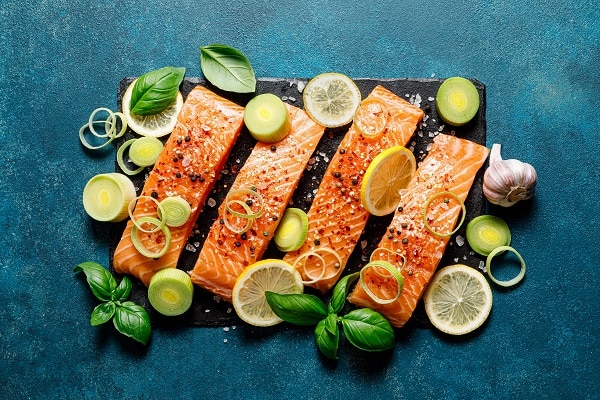
Protein is an essential nutrient that plays a crucial role in the growth and repair of your body’s tissues. Proteins are made up of amino acids, the building blocks of life. These amino acids build and repair muscle tissue, support the immune system, and synthesize hormones and enzymes. Including adequate amounts of protein in your diet is important, regardless of your age, gender, or fitness goals.
Eating protein-rich foods like eggs, lean meat, fish, beans, and nuts can help you stay full for longer periods of time and curb your cravings for junk food. A diet that lacks protein can lead to muscle loss, weakened immunity, and slower recovery from injuries. In short, protein is a vital nutrient that significantly impacts your overall health and well-being.
How To Incorporate More Protein Into Your Diet
It’s no secret that protein is an important part of any diet. But how do you make sure that you’re getting enough? Here are six strategies to help you get more protein in your daily meals:
Include Protein In Every Meal

Protein is an essential nutrient that our bodies need to function properly. Getting enough of it in our diets can be a struggle, but adding protein to each meal is a great way to ensure you meet your daily needs. Whether you’re a meat lover, plant-based eater, or somewhere in between, incorporating protein into your meals doesn’t have to be difficult.
Not only will protein keep you feeling fuller for longer, but it also helps maintain and repair muscle tissue. So, the next time you go to prepare a meal, remember to add a source of protein and make the most out of your plate! Including eggs, tofu, beans, poultry, or cottage cheese can help you reach your daily protein goals.
Snack On Protein-Rich Foods

In addition to including protein in every meal, choosing protein-rich snacks can also help you meet your daily protein needs. Some great options include almonds, hard-boiled eggs, jerky, or edamame.
Several snacks are rich in protein and good for on-the-go consumption. Almonds are a great source of healthy fats, fiber, and protein. Hard-boiled eggs are easy to carry and can provide a significant amount of protein. Jerky is a convenient protein source, but remember, it’s often high in sodium. Lastly, edamame is a delicious snack that can be enjoyed hot or cold and provides protein.