Prevents Waste
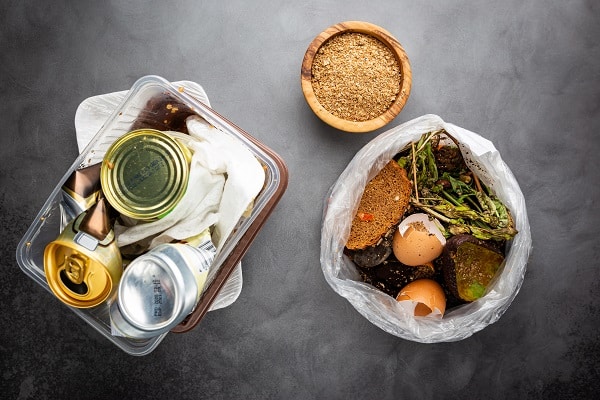
There’s another benefit of portion control that goes beyond personal health—it’s also good for the planet. By serving and eating appropriate portions, you can significantly reduce the amount of food waste you generate. This not only saves resources but also has a positive impact on your environment.
According to the Food and Agriculture Organization of the United Nations, approximately one-third of the food produced in the world for human consumption every year gets lost or wasted. By simply being more aware of your portions, you can play a part in reducing this waste. It’s a win-win situation—for your health and for the health of your planet.
Tips For Mastering Portion Control
Now that you understand the benefits of portion control, let’s explore some practical tips for making balanced eating more intuitive.
Use Smaller Plates And Bowls

The size of your plates and bowls can significantly affect your perception of portion sizes. Studies have shown that people tend to eat less when they use smaller plates, as it makes a serving look larger. This psychological trick, known as the Delboeuf illusion, can be an effective tool in your portion control arsenal.
So, try downsizing your plates, bowls, and glasses. You might find that you’re just as satisfied with your meal even though you’ve eaten less. This small change can lead to a significant reduction in calorie intake over time, aiding in weight management without feeling deprived.
Understand Serving Sizes

A serving size is a standardized measure of food, such as a cup or ounce. Understanding serving sizes can help you make healthier choices and practice better portion control. However, it’s important to remember that a “serving” is not necessarily the same as a “portion,” which is the amount of food you choose to eat at a time.
Consider learning to measure serving sizes, particularly for foods that are easy to over-consume like pasta, rice, and cereals. For example, a serving of cooked pasta is typically about one-half cup, but many people routinely eat more than this in a meal. By becoming aware of serving sizes, you can balance your meals better and make more informed decisions about your food.
Listen To Your Hunger Cues

Mindful eating is all about paying attention to your body’s natural hunger and satiety signals. It involves eating slowly, savoring each bite, and learning to recognize when you’re truly hungry and when you’ve had enough. This can be an extremely effective approach to portion control.
Often, you eat for reasons other than hunger, such as boredom, stress, or just because food is available. By tuning into your body’s signals, you can distinguish between physical hunger and emotional eating, helping you to avoid unnecessary snacking and overeating.
Pre-portion Snacks

Pre-portioning your snacks is another useful strategy for controlling your intake. Instead of eating straight from the bag or box, portion out your snack into a bowl or a small plate. This prevents mindless eating and allows you to be aware of how much you are consuming.
Consider preparing your snacks ahead of time in individual portions. This not only saves time but also makes it easier to grab a healthy snack when you’re hungry. Try portioning out nuts, fruits, or whole-grain crackers – these options are not only nutritious but also satisfying.
Master Portion Control Today!
In conclusion, mastering portion control can be a game-changer when it comes to balanced eating and maintaining a healthy lifestyle. It’s not about depriving yourself of the foods you enjoy but rather learning to consume them in amounts that support your health and well-being. By understanding what portion control is, recognizing its benefits, and implementing practical strategies like using smaller plates, understanding serving sizes, listening to your hunger cues, and pre-portioning snacks, you can foster a healthier relationship with food. Remember, portion control is a skill that gets easier with practice. Start small, and you’ll soon notice the positive impacts on your health.