Batch Cooking and Freezing
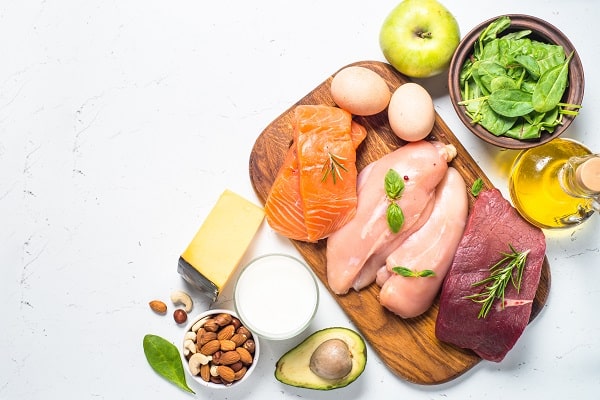
Batch cooking involves preparing large quantities of food and portioning it for future meals. This time-saving technique allows you to cook once and enjoy multiple meals weekly. When batch cooking, choose recipes that reheat well and maintain flavor and texture after storage.
Freezing is another useful technique for extending the life of your prepared meals. By incorporating batch cooking and freezing into your meal prep routine, you can save time and effort while still enjoying a variety of delicious, healthy dishes. When freezing meals, ensure they are properly sealed to prevent freezer burn and label them with the contents and date. When it’s time to reheat, follow safe thawing and reheating practices to maintain your meal’s taste and nutritional value.
Prepping Your Fruits and Vegetables
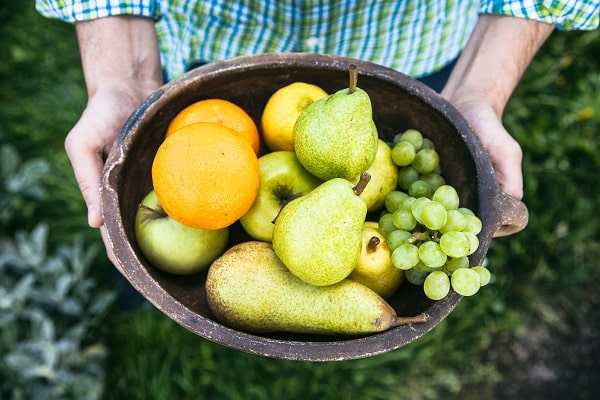
Properly washing, cutting, and storing fruits and vegetables is essential in meal prep. Thoroughly wash produce to remove dirt, pesticides, and bacteria, and use a clean cutting board and knife to prevent cross-contamination. Pre-chopping and portioning fruits and vegetables can save you time during the week and encourage you to reach for healthier snacks.
To prolong the freshness and taste of fruits and vegetables, store them properly. Use airtight containers or plastic bags with small holes to allow for airflow. Store fruits and vegetables separately, as some fruits release ethylene gas, which can cause nearby vegetables to spoil more quickly. By taking care of your produce, you can ensure that your meal prep is nutritious and delicious.
Mindful Portions and Balanced Meals
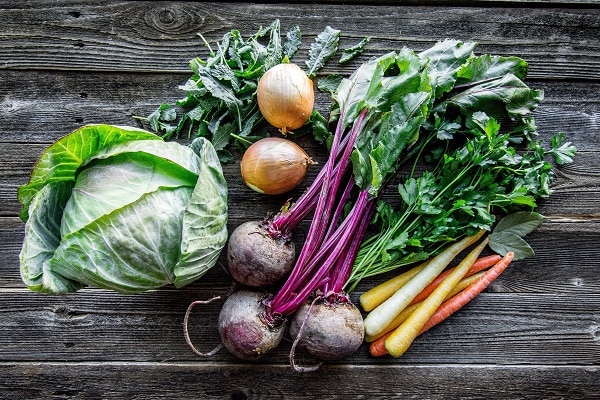
Portion control and balance are critical components of healthy meal prep. By being mindful of portion sizes, you can avoid overeating and ensure that your meals align with your health goals. Use measuring cups, scales, or your hands as a guide to create consistent portion sizes, and remember that it’s always possible to go back for seconds if you’re still hungry.
Creating balanced meals involves incorporating the right proportions of protein, carbohydrates, and fats. Aim for a mix of lean proteins, such as chicken, fish, or legumes, complex carbohydrates like whole grains and starchy vegetables, and healthy fats from sources like avocados, nuts, and olive oil. Including various colorful fruits and vegetables in your meals will also help you get the essential vitamins and minerals your body needs.
Rotate Your Recipes and Ingredients
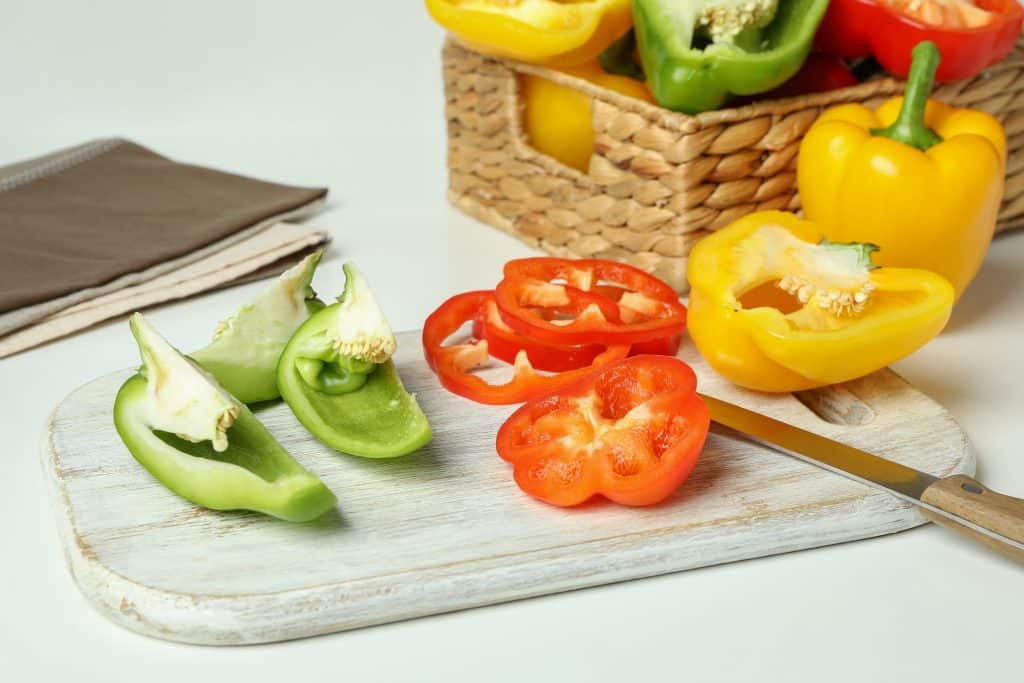
Variety is key to maintaining interest and excitement in your meal prep routine. By rotating your recipes and ingredients, you can prevent boredom and ensure you consume a diverse range of nutrients. Experiment with new recipes, ingredients, and cooking techniques to keep your meal prep fresh and engaging.
Seek inspiration from cookbooks, blogs, and social media platforms to discover new dishes that fit your dietary preferences and restrictions. You can also incorporate seasonal produce and adjust your meals based on your health goals or cravings. Maintaining variety in your meal prep routine supports a long-term commitment to a healthier lifestyle.
Meal Prep With Ease!
In conclusion, healthy meal prep is a powerful tool for maintaining a balanced, nutritious diet amidst our busy lives. With the tips and techniques provided in this blog post, you can begin to master the art of meal prep and enjoy its numerous benefits. By planning and cooking ahead, you can save time and money and improve your overall health. So, why wait? Start your meal prep journey today, and embrace a healthier, more organized lifestyle.