Are you looking to enhance your fitness routine and see real results in your weight loss journey? Cardiovascular exercise might just be your answer. Known for its efficiency in burning calories and boosting overall health, cardio can be your powerful ally against unwanted pounds. This post unveils various cardio secrets that will revitalize your workouts and maximize fat burning. Dive in to discover how you can transform your body and mind with these effective strategies.
Exploring the Basics of Cardiovascular Exercise
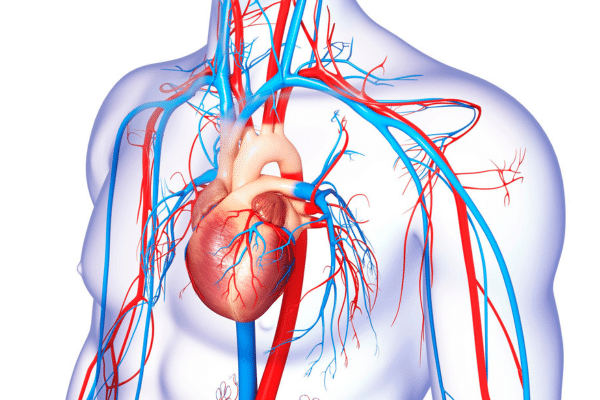
Cardiovascular exercise, often simply called cardio, involves any activity that increases your heart rate and keeps it elevated for a prolonged period. Common forms include running, cycling, swimming, and aerobics. The primary goal of cardio is to strengthen your heart and lungs while burning calories, making it a cornerstone of any fitness regimen. By integrating cardio into your routine, you not only improve your cardiovascular health but also enhance your body’s ability to burn fat.
The variety of cardio exercises available means there’s something for everyone, regardless of fitness level or personal preference. High-intensity interval training (HIIT) offers a fast-paced, calorie-burning workout, while steady-state cardio provides a consistent, moderate effort over a longer duration. Other forms, like circuit training, combine elements of strength and cardio, boosting overall fitness and preventing workout monotony. Choosing the right type of cardio can keep you engaged and committed to your fitness goals.
The Science of Fat Loss with Cardio
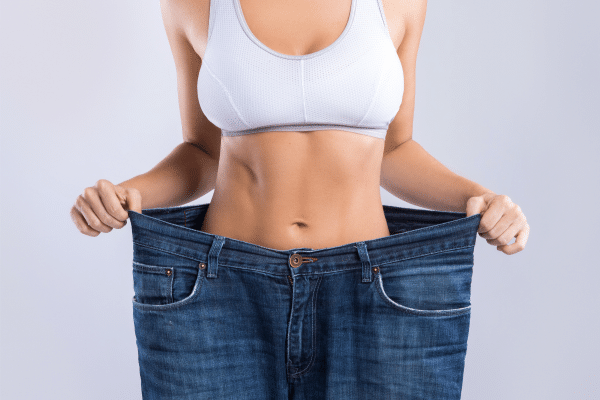
Cardio exercises are pivotal in creating a caloric deficit, which is essential for weight loss. When you engage in physical activity, your body burns calories stored in fat as fuel, leading to fat loss. The intensity and duration of the exercise will dictate how many calories you burn, making cardio a customizable tool for managing body weight. Furthermore, consistent cardio training increases your metabolic rate, which means you’ll continue to burn calories even at rest.
The concept of Excess Post-exercise Oxygen Consumption (EPOC), also known as the afterburn effect, refers to the increased rate of oxygen intake following strenuous activity. This phenomenon means your body continues to burn calories at an elevated rate even after your workout has ended. By incorporating exercises that trigger EPOC, such as high-intensity workouts or interval training, you can enhance your overall caloric burn and accelerate weight loss.
Optimal Duration and Frequency

To maximize the benefits of cardio for weight loss, it’s crucial to adhere to certain guidelines regarding the duration and frequency of your workouts. Experts typically recommend at least 150 minutes of moderate-intensity cardio or 75 minutes of high-intensity cardio per week for significant health benefits and effective fat loss. Distributing these sessions throughout the week can help maintain a consistent calorie burn and support ongoing weight management.
However, these guidelines should be adapted based on individual fitness levels and weight loss goals. For someone just starting out, shorter, more frequent sessions might be more manageable and gradually build up to the recommended amounts. Conversely, those with higher fitness levels may require more prolonged or more intense sessions to continue seeing results. Listening to your body and adjusting your workout regimen accordingly can help you maintain progress and avoid hitting a plateau.
High-Intensity Interval Training for Maximum Impact
High-Intensity Interval Training (HIIT) is a dynamic and efficient form of cardio that alternates between short bursts of intense exercise and less intense recovery periods. This method is designed to push your body to its metabolic limits in a short amount of time, making it a popular choice for those looking to maximize calorie burn within a constrained schedule. HIIT not only burns a high number of calories during the workout but also elevates your metabolic rate for hours afterward, leading to increased fat loss.
The benefits of HIIT extend beyond just fat burning; it also enhances cardiovascular health, increases stamina, and boosts endurance. By incorporating HIIT into your workout regimen a few times a week, you can achieve significant improvements in your overall fitness level. This training modality is highly adaptable, allowing individuals to use various exercises such as sprinting, biking, jump rope, or any activity that can be performed at high intensity.
Incorporating Steady-State Cardio
Steady-state cardio involves maintaining a consistent, moderate level of effort over a prolonged period, typically anywhere from 20 to 60 minutes. This form of cardio is excellent for endurance building and can be a more manageable starting point for beginners or those who prefer a less intense workout routine. Unlike HIIT, steady-state cardio does not dramatically fluctuate in intensity, which makes it easier on the body and can support longer durations of fat burning, which is particularly helpful for long-term weight management.
Integrating steady-state cardio into your fitness program can provide a balanced approach to exercise. It complements high-intensity workouts by allowing for active recovery days, where the body can still burn calories without the strain of high-impact or vigorous exercises. Activities like jogging, swimming, or cycling at a continuous pace are common examples of steady-state cardio that can effectively aid in achieving weight loss goals while promoting cardiovascular health.
Cross-Training for Optimal Results
Cross-training refers to combining various forms of exercise to enhance overall fitness and prevent workout boredom. By engaging in different types of cardio workouts, you can target various muscle groups, improve your agility and balance, and reduce the risk of injury from repetitive strain. This method ensures a comprehensive fitness regimen that maintains high motivation levels and prevents plateaus by continually challenging the body in new ways.
One effective strategy for cross-training might involve mixing HIIT sessions with steady-state cardio and adding activities like spinning, rowing, or elliptical workouts. This variety not only keeps your workouts interesting but also allows your body to recover from the high demands of HIIT by interspersing them with less intense yet still effective steady-state sessions. Additionally, cross-training can help you adapt to different physical challenges, enhancing your ability to perform under varied conditions.
Fueling Your Cardio Sessions
Understanding the importance of nutrition in relation to cardio exercise is crucial for maximizing performance and achieving desired weight loss results. Proper pre-workout nutrition should focus on consuming carbohydrates that provide sustained energy and a moderate amount of protein to support muscle function. Eating a light meal or snack about an hour before your workout can prevent fatigue and maintain energy levels throughout your session, which is essential for high-intensity workouts like HIIT.
Hydration plays a pivotal role in the effectiveness of your workouts as well as in recovery. It’s essential to drink water before, during, and after exercise to maintain optimal body function and prevent dehydration, which can significantly hamper your performance and recovery. For longer-duration cardio sessions, consider hydration solutions that replace electrolytes lost through sweat to maintain electrolyte balance and support endurance.
Transform Your Workout, Transform Your Life
Embarking on your cardio journey with these secrets can transform your approach to fitness and weight loss. Whether you opt for the intensity of HIIT, the consistency of steady-state cardio, or the variety of cross-training, these strategies are designed to boost your calorie burn and enhance your overall health. Stay motivated and tailor your workouts to your personal fitness level and goals. Remember, the right mix of exercises, nutrition, and hydration is key to seeing the pounds melt away and achieving lasting results.