

Learning to balance macros is a cornerstone of effective weight management and overall health. This guide delves into the critical role of carbohydrates, proteins, and fats in your diet. Understanding macros helps in creating a balanced nutritional plan tailored to individual needs and health goals. Whether aiming for weight loss, muscle gain, or maintaining a healthy lifestyle, the right balance of these nutrients is key. This post will navigate through the intricacies of macronutrients, providing insights into how to effectively manage them for optimal health benefits.
Exploring the Basics of Macronutrients

Macronutrients are the foundational elements of your diet, encompassing carbohydrates, proteins, and fats, each playing a distinct role in bodily functions. Carbohydrates act as the primary energy source, proteins are crucial for growth and repair, while fats support essential functions like hormone production. Grasping the significance of these roles is vital for informed dietary choices. Additionally, the nutritional value of each macronutrient greatly influences your overall health and well-being, guiding you in creating a well-rounded diet.
Understanding the calorie content of macronutrients is crucial for effective weight management. Carbohydrates and proteins provide four calories per gram, whereas fats offer nine calories per gram. This difference underscores the importance of a balanced intake of these nutrients. Monitoring these values is key for anyone aiming to maintain a healthy weight. A balanced approach to consuming macronutrients contributes significantly to one’s overall health.
The Role of Carbohydrates

Carbohydrates are essential for providing energy, especially during physical activities. They break down into glucose, the primary fuel for your brain and muscles. The type of carbohydrates consumed—simple or complex—affects the body differently. Simple carbs offer quick energy but can lead to rapid blood sugar spikes, while complex carbs provide longer-lasting energy.
Simple carbohydrates are found in sugary snacks and processed foods, often leading to quick energy highs followed by lows. In contrast, complex carbohydrates present in whole grains and vegetables are crucial for sustained energy and long-term health. These types of carbs are integral to weight management and overall wellness. Choosing healthier carbohydrate sources can significantly impact one’s diet and health. Striking the right balance between simple and complex carbohydrates is key to effective weight management.
The Importance of Protein

Protein plays a vital role beyond muscle building; it’s essential for overall health and body function. It aids in muscle repair, supports immune function, and helps maintain lean muscle mass. Protein’s role in enhancing satiety and reducing calorie intake makes it a key macronutrient in any diet. It’s especially important for weight management, as it can help control hunger and cravings.
Protein consumption also has a metabolism-boosting effect. A higher intake can increase the thermic effect of food, meaning more calories are burnt during digestion. This aspect makes protein a valuable macronutrient for weight management, aiding in natural calorie burning. Ensuring adequate protein intake is crucial for those looking to manage or reduce weight. Incorporating a variety of protein sources in the diet can enhance overall health and facilitate weight control.
Fats: Essential but Misunderstood

Fats play a crucial role in numerous bodily functions, yet they are often misunderstood in terms of dietary importance. They are vital for hormone production, nutrient absorption, and maintaining brain health. Healthy fats, such as unsaturated fats, contribute positively to heart health and overall well-being. Distinguishing between healthy and unhealthy fats is crucial for effective diet planning.
There are various types of fats, including saturated, unsaturated, and trans fats. Unsaturated fats, found in foods like avocados, nuts, and olive oil, are beneficial for heart health. Saturated and trans fats, however, can contribute to health issues when consumed in excess. It’s important to understand these differences to make healthier dietary choices. Incorporating healthy fats into the diet is key for maintaining balanced nutrition and effective weight management.
Calculating Your Macro Needs
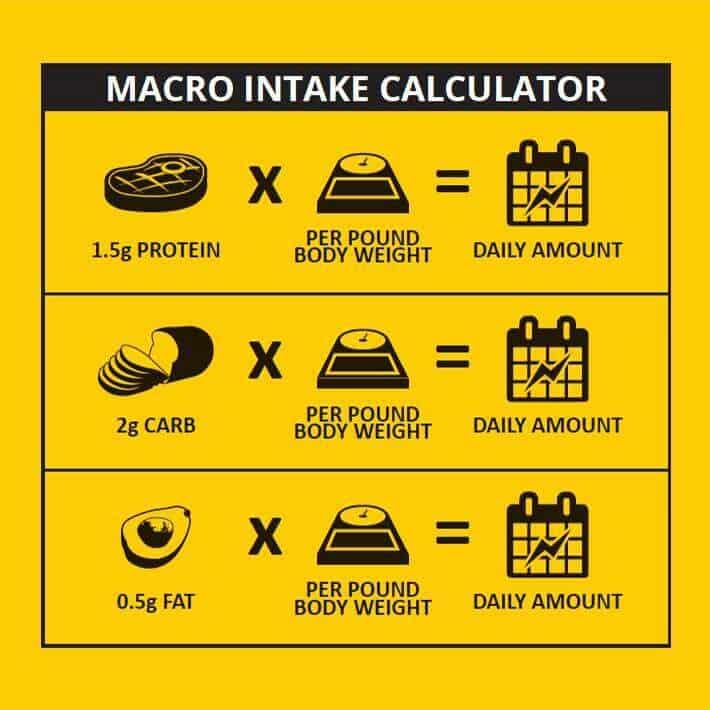
Determining individual macro needs is a fundamental step in effective weight management. Factors like age, gender, activity level, and specific weight goals all play a role in this calculation. A basic formula or online tool can be a helpful starting point for estimating these requirements. However, it’s important to remember that these are general guidelines and may need personal adjustments. Tailoring macro intake to personal lifestyle and health goals is crucial for long-term success.
The process of calculating macro needs involves understanding one’s basal metabolic rate (BMR) and daily energy expenditure. For weight loss, creating a calorie deficit by consuming fewer calories than expended is essential, while for muscle gain, a calorie surplus is often required. Adjusting macro ratios to align with these goals is a key strategy. Regularly reassessing and tweaking macro intake based on progress and body responses is important. This dynamic approach ensures that dietary plans remain effective and aligned with changing needs and goals.
Balancing Macros in Your Diet
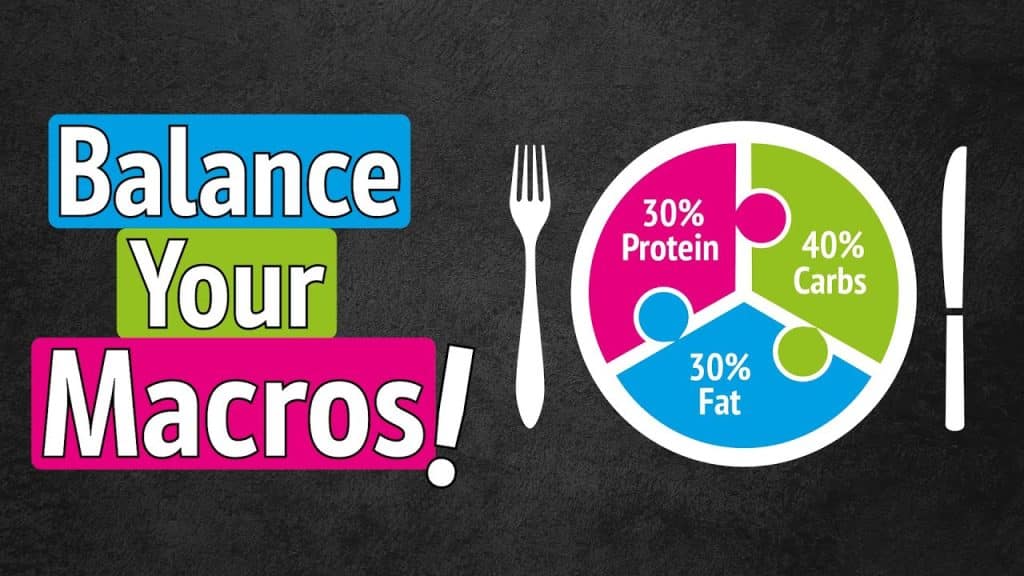
Achieving a balanced intake of macronutrients is crucial for optimal health and weight management. It involves not just focusing on the quantity of each macro but also the quality of the sources. Incorporating a variety of foods from each macronutrient group ensures a well-rounded diet. Strategies like portion control and mindful eating play a significant role in maintaining this balance. Understanding how different foods contribute to overall macro goals can simplify the process of creating balanced meals.
Meal planning is an effective tool for balancing macros. It allows for the preparation of nutritionally balanced meals ahead of time, reducing the likelihood of making unhealthy food choices. Including a mix of carbohydrates, proteins, and fats in each meal can help sustain energy levels and satiety throughout the day. Paying attention to how the body responds to different macro ratios is important, as individual responses can vary. Flexibility and willingness to adjust dietary habits based on these responses are key to successful macro balancing.
Adjusting Macros for Weight Loss

When focusing on weight loss, adjusting macro ratios can be highly effective. Reducing overall calorie intake while maintaining a balanced distribution of macros is crucial. A common approach is to slightly lower carbohydrate intake while ensuring adequate protein to preserve muscle mass. However, it’s important to avoid excessively restricting any single macro group, as this can lead to nutritional deficiencies and unsustainable eating habits. The goal is to create a manageable calorie deficit that promotes weight loss without sacrificing overall health.
In addition to macro ratios, the quality of the macronutrients consumed is vital. Choosing whole, unprocessed foods over refined and processed options can enhance the quality of the diet. High-fiber carbohydrates, lean proteins, and healthy fats are preferred choices. Regular monitoring and adjusting of macro intake based on weight loss progress are important. Patience and consistency in following adjusted macro plans are essential for long-term weight loss success.
Adjusting Macros for Muscle Gain
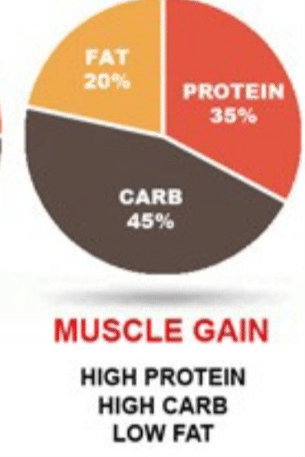
For individuals aiming to gain muscle, the focus shifts in macro balancing. Increasing overall calorie intake, particularly through proteins and carbohydrates, is essential. Proteins are crucial for muscle repair and growth, while carbohydrates provide the energy needed for intense workouts. The increase in calories should be gradual and controlled to ensure that the weight gained is primarily muscle, not fat. Balancing these macros while maintaining a regular workout routine is key to effective muscle gain.
Timing of nutrient intake is also important for muscle building. Consuming protein and carbohydrates, post-workout can aid in muscle recovery and growth. This doesn’t mean neglecting other meals; ensuring a consistent supply of nutrients throughout the day is equally important. Including a variety of protein sources, along with complex carbohydrates and healthy fats, ensures a well-rounded diet. Regularly evaluating and adjusting macro intake based on muscle gain progress and overall health is crucial.
Common Mistakes and Misconceptions

Navigating the world of macronutrients often leads to common pitfalls. One such mistake is overemphasizing a single macronutrient while neglecting others, leading to nutritional imbalances. Another error is focusing solely on macronutrient ratios without considering the overall quality and source of these nutrients. Understanding that a balanced approach is more sustainable and healthier in the long run is key to avoiding these mistakes.
Misconceptions about macronutrients also pose challenges. For instance, the notion that fats are universally bad or that carbohydrates lead to weight gain regardless of their type can derail a balanced diet. Debunking these myths by educating oneself on the nuances of each macronutrient is crucial. Recognizing that each macronutrient has a unique and essential role in the diet can help in making more informed dietary choices.
Tracking and Adjusting Your Macros

Tracking macronutrient intake is a powerful tool in managing one’s diet. Food diaries, apps, or other tracking methods can provide insights into daily macro consumption. This practice helps in identifying areas where adjustments may be needed, ensuring that dietary goals are being met. Regular tracking also encourages mindfulness about eating habits and food choices.
However, it’s important not to become overly fixated on numbers. Regular reviews and adjustments based on body responses, progress, and overall health are more important than strict adherence to specific macro ratios. Flexibility and adaptability in one’s diet are essential for long-term success. Tracking should serve as a guide, not a rigid rulebook, allowing for personalization and adjustment as needed.
Start Your Balanced Nutritional Journey Today
Balancing macronutrients is a journey of understanding your body’s unique needs and responding with a tailored approach to diet and nutrition. This guide aims to empower you with the knowledge and tools to navigate this journey effectively. Remember, the key to success lies in flexibility, mindfulness, and a willingness to adapt based on your body’s responses. Embrace this journey towards a healthier, more balanced you!