Shedding pounds after 60 presents unique challenges and considerations, primarily due to age-related changes such as a slower metabolism. This blog post aims to guide older adults through a holistic and sustainable approach to weight loss, tailored to their specific needs. Understanding these changes is crucial in setting realistic goals and adopting effective strategies. This journey is not just about losing weight; it’s about enhancing overall health and quality of life, making it essential for those over 60 to approach weight loss with informed and mindful strategies.
Understanding Your Body At 60

As individuals age, their bodies undergo significant changes, impacting their ability to lose weight. After the age of 60, a reduction in muscle mass and hormonal shifts can lead to a decreased metabolic rate. This slowdown in metabolism means that the body burns calories at a slower pace, making weight loss more challenging. Recognizing and accepting these physiological changes is crucial in setting realistic weight loss goals. It’s important to adapt weight loss strategies that are mindful of these body changes, ensuring a healthy and effective approach.
Another critical aspect of understanding the body at 60 is acknowledging how these changes affect daily nutritional needs. Hormonal fluctuations can impact appetite and how the body processes food, while the decrease in muscle mass can lead to different protein requirements. It’s not just about eating less; it’s about eating right. Tailoring the diet to include nutrient-dense foods that meet the specific needs of an aging body is vital. Such an approach not only aids in weight loss but also supports overall health and well-being.
Tailored Nutrition For Seniors

Nutrition plays a pivotal role in weight loss, especially for seniors. Emphasizing nutrient-dense foods that provide essential vitamins, minerals, and fiber is crucial. This means incorporating a variety of fruits, vegetables, lean proteins, and whole grains into the diet. These foods not only aid in weight management but also help in maintaining energy levels, supporting immune function, and preventing age-related diseases.
Another aspect of tailored nutrition for seniors is the adjustment of caloric intake. As metabolic rates decrease with age, the caloric needs also reduce. However, it’s essential to strike a balance – consuming too few calories can be just as detrimental as consuming too many. The focus should be on consuming calories that come from nutritious sources, providing the body with the fuel it needs to function optimally. Smart, healthy food choices, along with portion control, can significantly impact weight loss efforts while ensuring the body gets the necessary nutrients.
The Role Of Physical Activity
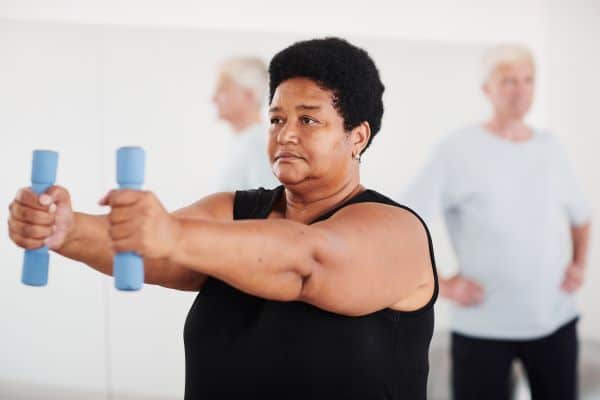
Regular physical activity is essential for seniors aiming to lose weight. Engaging in low-impact exercises such as walking, swimming, or yoga can significantly benefit older adults. These activities are not only easier on the joints but also help in improving cardiovascular health, flexibility, and mental well-being. The key is to find an enjoyable activity that can be consistently incorporated into the daily routine. It’s not about intense workouts; rather, it’s about maintaining consistent movement to support weight loss and overall health.
Strength training is another crucial component, often overlooked by seniors. It’s vital for preserving muscle mass, which naturally diminishes with age. Maintaining muscle is not only important for metabolism but also for balance and functional independence. Simple resistance exercises, like lifting light weights or using resistance bands, can be done at home and are highly effective. Strength training twice a week can lead to significant improvements in muscle health, aiding in weight management and reducing the risk of falls and injuries.