Embarking on a weight loss journey often conjures images of restrictive diets and constant battles with hunger. However, the secret to sustainable weight loss isn’t just about cutting calories—it’s about doing so intelligently to avoid the gnawing sensation of hunger that can derail even the most dedicated individuals. This article delves into practical strategies that reduce caloric intake without succumbing to hunger. You can achieve your weight loss goals without feeling deprived by understanding your body’s needs, choosing the right foods, and adopting certain eating habits. Let’s explore how to cut calories effectively while maintaining satiety and nourishment.
Understanding Your Caloric Needs
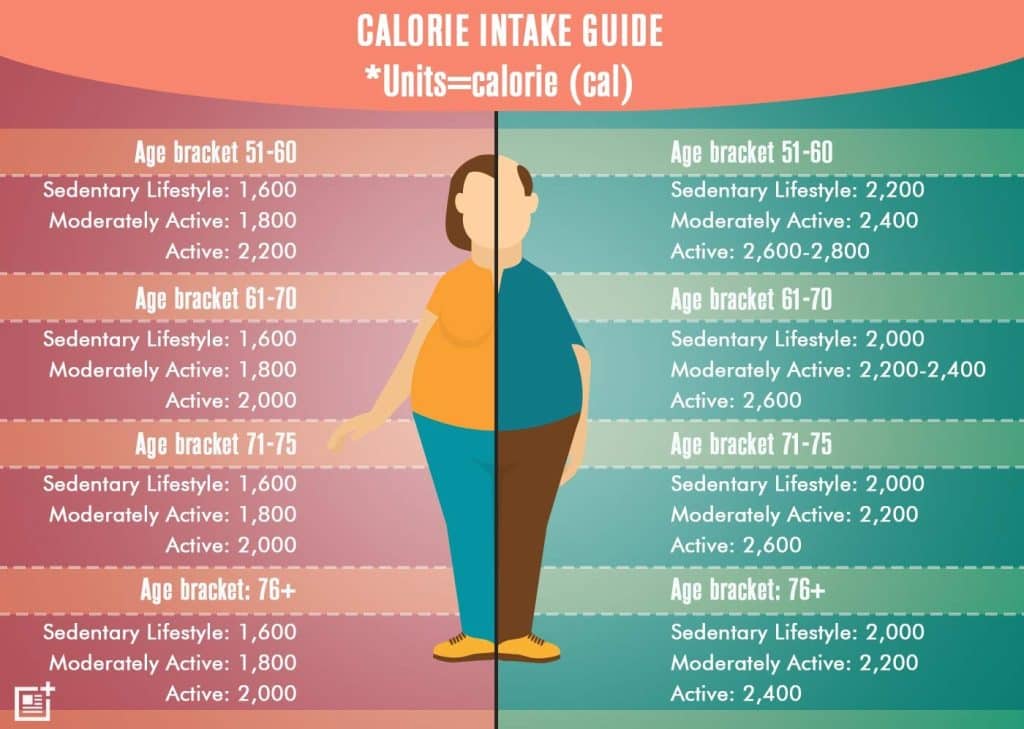
The journey to cutting calories without hunger begins with clearly understanding your caloric needs. Your Basal Metabolic Rate (BMR), the number of calories your body requires to perform basic life-sustaining functions, serves as the foundation. Calculating your BMR provides insight into the minimum caloric intake necessary for your body’s metabolism to function optimally. Age, gender, weight, and height influence your BMR, highlighting the importance of personalized caloric benchmarks.
Beyond your BMR, considering your level of physical activity is crucial in determining your daily caloric needs. Whether lightly active, moderately active, or very active, your lifestyle demands additional calories to fuel your movements. Adjusting your calorie intake based on your activity level and weight loss goals is a balancing act. Consuming fewer calories than your body expends leads to weight loss, but understanding and applying this principle thoughtfully ensures you can reduce calorie intake without feeling perpetually hungry.
The Power of High-Volume, Low-Calorie Foods

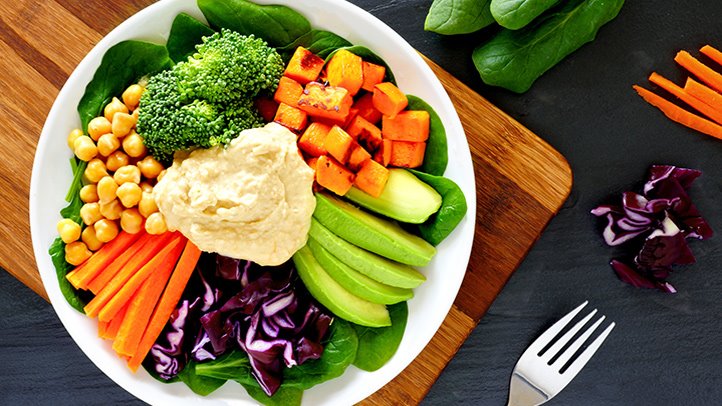
Incorporating high-volume, low-calorie foods into your diet is a game-changer for reducing hunger while cutting calories. These foods, characterized by low energy density, allow you to eat larger portions without significantly increasing calorie intake. Fruits, vegetables, and whole grains are prime examples, offering the dual benefits of volume and nutritional value. Filling your plate with these foods creates a sense of fullness or satiety that can last for hours.
Strategic meal planning that emphasizes these foods can transform your eating experience. Imagine enjoying a large salad full of leafy greens, crunchy vegetables, and a generous serving of whole grains. Not only does this meal satisfy your hunger, but it also does so with fewer calories than a smaller, more calorie-dense meal. This approach to eating enables weight loss without the constant battle against hunger, making your weight loss journey both enjoyable and sustainable.
Smart Snacking Strategies
Snacking smartly is another pillar in the strategy to cut calories without hunger. Choosing the right snacks can significantly affect your overall calorie intake and how full you feel between meals. Opt for snacks high in fiber and protein, such as nuts, seeds, yogurt, or fruits. These nutrients are known for their satiating properties, helping to curb hunger for longer periods.
Moreover, smart snacking isn’t just about what you eat but also how you eat. Listening to your body’s hunger signals and choosing snacks that satisfy those cravings can prevent overeating at meal times. For instance, pairing an apple with a handful of almonds offers a satisfying mix of sweetness, crunch, and nutrition, keeping hunger at bay without adding excessive calories. Adopting smart snacking habits allows you to navigate your day without the constant temptation to overindulge.
Hydration and Hunger

Hydration plays a crucial role in managing hunger and reducing calorie intake. Often, feelings of hunger are signs of dehydration. Before reaching for a snack, drinking a glass of water can help determine whether you’re truly hungry or thirsty. This simple practice can significantly reduce unnecessary calorie consumption throughout the day.
Additionally, incorporating hydrating foods like cucumbers, watermelon, and oranges can contribute to your overall fluid intake while providing essential nutrients and fiber. These foods help keep you hydrated and add volume to your meals, enhancing feelings of fullness without a significant calorie load. Emphasizing hydration is a straightforward yet effective strategy for managing hunger and supporting your weight loss goals.
Mindful Eating Practices

Mindful eating is a transformative practice for anyone looking to cut calories without experiencing constant hunger. This approach involves paying full attention to the eating experience, focusing on your food’s flavors, textures, and sensations. Eating mindfully makes you more likely to recognize your body’s satiety cues, preventing overeating and unnecessary calorie consumption.
Practicing mindful eating also means eating without distractions like television or smartphones. This focused meal approach encourages slower eating, linked to improved digestion and greater satisfaction with smaller portions. When you eat mindfully, you’re likely to consume fewer calories and enjoy your food more, making each meal a satisfying experience that doesn’t leave you immediately reaching for more.
Optimizing Meal Timing and Frequency
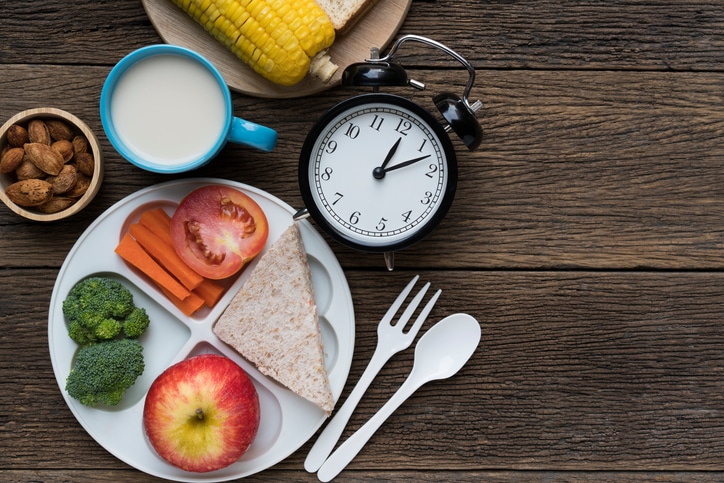
The timing and frequency of your meals can also influence your hunger levels and overall calorie intake. Traditional advice often recommends three square meals daily, but some find that smaller, more frequent meals help keep hunger at bay and stabilize blood sugar levels. The key is to find a meal pattern that suits your lifestyle, hunger cues, and nutritional needs without leading to overeating.
For instance, if you tend to feel famished between traditional meal times, incorporating healthy snacks or small meals throughout the day might prevent binge eating. This approach can also maintain a steady energy level, reducing the likelihood of significant hunger spikes. Conversely, some may find that sticking to three well-balanced meals helps control calorie intake and simplifies meal planning. Listening to your body and experimenting with different meal frequencies can help you discover the most effective strategy for cutting calories without feeling constantly hungry.
The Role of Protein in Satiety

Incorporating sufficient protein into your diet is essential for enhancing satiety and managing hunger. Protein-rich foods take longer to digest, keeping you feeling full longer. This can be especially beneficial for cutting calories and reducing the urge to snack on high-calorie, less nutritious options. Including a source of protein in every meal and snack not only supports muscle maintenance and growth but also aids in sustainable weight loss.
Options like lean meats, fish, legumes, and dairy are excellent sources of high-quality protein. Focusing on these foods can make a significant difference for those looking to cut calories without hunger. A breakfast with eggs or Greek yogurt, a lunch featuring grilled chicken or lentils, and a dinner centered around fish or tofu can ensure you get enough protein throughout the day. This helps reduce calorie intake and ensures nutritional needs are met.
Leveraging Spices and Seasonings for Flavor Without Calories

Enhancing meals with spices and seasonings is a smart strategy for adding flavor without extra calories. Many people associate dieting with bland, unappetizing food, but it doesn’t have to be this way. Spices like chili powder, cumin, turmeric, and herbs such as basil, mint, and oregano can transform a simple meal into a culinary delight. This tactic makes it easier to enjoy nutrient-dense, low-calorie foods by elevating their taste.
Experimenting with different flavor profiles can also prevent dietary boredom, a common obstacle in sustained weight loss efforts. Whether cooking a vegetable stir-fry, seasoning a piece of lean meat, or dressing a salad, the right combination of spices and herbs can make low-calorie eating enjoyable and satisfying. By leveraging the natural flavors of these seasonings, you can create delicious meals that help you cut calories without feeling deprived or hungry.
Final Thoughts
Cutting calories without experiencing hunger is a realistic and attainable goal with the right strategies. Understanding your caloric needs, incorporating high-volume, low-calorie foods, adopting smart snacking habits, staying hydrated, practicing mindful eating, optimizing meal timing and frequency, focusing on protein intake, and using spices for flavor are all effective ways to reduce calorie intake while maintaining satiety. These strategies contribute to a sustainable weight loss approach, emphasizing nourishment and satisfaction over restriction and deprivation.