Embarking on a Paleo diet is more than just a change in eating habits; it’s a journey towards a healthier and more vibrant life. The Paleo diet, inspired by the eating patterns of our ancestors, emphasizes whole foods and eliminates processed items. By focusing on nutrient-dense foods like lean meats, fish, fruits, vegetables, nuts, and seeds, the Paleo diet promises weight management, improved energy levels, and overall health. This article will guide you through simple steps to start your Paleo diet journey, making the transition smooth and sustainable.
Understanding The Basics Of The Paleo Diet
The Paleo diet is grounded in eating like our Paleolithic ancestors. This means focusing on foods available before the advent of agriculture and modern food processing. The core principles involve consuming lean meats, fish, fruits, vegetables, nuts, and seeds while avoiding grains, legumes, dairy, and processed foods. By adhering to these guidelines, the diet aims to improve health and well-being by promoting nutrient-dense foods free from additives and preservatives.
The benefits of following a Paleo lifestyle are numerous. Many people report feeling more energized and experiencing better digestion. The diet can also aid in weight management by reducing the intake of empty calories and increasing the consumption of satiating, high-fiber foods. Additionally, eliminating processed foods can help reduce inflammation, potentially lowering the risk of chronic diseases such as heart disease and diabetes. Embracing the Paleo diet can lead to a more balanced, healthy, and fulfilling way of eating.
Clean Out Your Pantry

The first step in transitioning to a Paleo diet is to clean out your pantry. This involves removing all non-Paleo foods, typically processed items, grains, legumes, and dairy products. This step is crucial because it eliminates the temptation to revert to old eating habits. Start by reading labels and discarding foods containing artificial additives, refined sugars, and unhealthy fats.
Clearing out your pantry also allows you to make room for healthier, Paleo-friendly options. Replace the discarded items with whole foods such as fresh fruits and vegetables, nuts, seeds, and lean proteins. Organizing your pantry with these nutritious staples will set the foundation for your new eating plan and ensure easy access to foods supporting your Paleo lifestyle.
Stock Up On Paleo-Friendly Foods
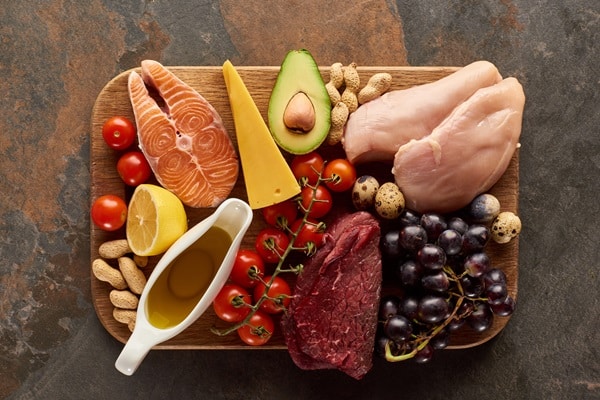
Once your pantry is clean, the next step is to stock up on Paleo-friendly foods. These include a variety of lean meats, fish, fruits, vegetables, nuts, and seeds. When grocery shopping, focus on whole, unprocessed foods that are close to their natural state. This aligns with Paleo principles and ensures that you get the most nutrients from your diet.
Meal planning can be particularly helpful when stocking up on Paleo foods. Create a weekly meal plan that incorporates a variety of foods to ensure a balanced intake of nutrients. When shopping, prioritize organic and grass-fed options when possible, as these are closer to what our ancestors would have consumed. A well-stocked kitchen with these essentials will make it easier to stick to the Paleo diet and prepare healthy, delicious meals.
Mastering Paleo Meal Prep
Meal prepping is a key strategy for success on the Paleo diet. By dedicating time each week to prepare meals and snacks in advance, you can always have healthy options available, even on busy days. Start by planning your weekly meals, focusing on a balance of proteins, vegetables, and healthy fats. Batch cooking and using appliances like slow cookers can save time and make meal prep more manageable.
In addition to preparing meals, consider prepping ingredients ahead of time. Washing and chopping vegetables, marinating meats, and portioning snacks can make cooking quicker and less stressful during the week. Having prepped ingredients ready to go can also help you avoid the temptation of reaching for non-Paleo foods when you’re short on time. With these strategies, meal prepping can become a seamless part of your Paleo lifestyle.
Discovering Delicious Paleo Recipes
One of the joys of the Paleo diet is discovering the variety and creativity it offers. There is an abundance of delicious Paleo recipes that can satisfy any palate. The possibilities are endless, from hearty breakfasts to savory dinners and even desserts. Exploring new recipes can make the transition to a Paleo diet exciting and enjoyable, helping to keep you motivated and engaged.
Numerous resources, including cookbooks, blogs, and social media platforms, are available to find Paleo recipes. These resources often provide not only recipes but also tips and tricks for making the most of your Paleo ingredients. Experimenting with different flavors and cooking techniques can turn meal preparation into a fun and rewarding experience. By incorporating diverse recipes, you can ensure that your meals remain interesting and nutritious.
Navigating Social Situations and Dining Out
Staying committed to the Paleo diet can be challenging in social situations and dining out. However, with some planning and communication, it is possible to maintain your dietary preferences. When eating out, look for restaurants that offer Paleo-friendly options or are willing to accommodate special requests. Many restaurants are now familiar with the Paleo diet and can suggest modifications to menu items.
In social settings, informing your hosts of your dietary choices in advance can be helpful. Offering to bring a Paleo-friendly dish to share can also ensure that you have something to eat. Additionally, focusing on the social aspects of the event rather than the food can help reduce any anxiety about sticking to your diet. These strategies allow you to enjoy social occasions without compromising your Paleo principles.
Overcoming Common Challenges
Starting a Paleo diet can come with challenges, such as cravings for non-Paleo foods, social pressure, and time constraints. Cravings are common, especially initially, but they can be managed by keeping Paleo-friendly snacks on hand and staying hydrated. Over time, your taste buds will adjust, and the desire for processed foods will diminish.
Social pressure can also be a hurdle, but it is important to remember your reasons for choosing the Paleo diet. Educating friends and family about the benefits can help garner their support. Time management is another common challenge, but with proper meal planning and prepping, it is possible to stick to the diet even with a busy schedule. Addressing these obstacles with practical solutions can make the transition to a Paleo diet smoother and more sustainable.
Monitoring Your Progress and Staying Motivated
Monitoring your progress is crucial for staying motivated on the Paleo diet. Keeping a food journal can help track what you eat and how it makes you feel. This can provide valuable insights into how certain foods affect your energy levels, digestion, and overall well-being. Regularly reviewing your journal can help identify patterns and make necessary adjustments to your diet.
In addition to a food journal, taking progress photos and setting specific goals can be powerful motivators. Celebrate small victories, such as improved energy levels or weight loss milestones. Staying connected with the Paleo community through online forums or local groups can also provide support and encouragement. You can stay focused and committed to your Paleo journey by actively monitoring your progress.
Your Paleo Adventure Begins Now
Starting a Paleo diet can be a transformative journey toward better health and vitality. By understanding the basics, cleaning out your pantry, stocking up on essential foods, mastering meal prep, discovering new recipes, navigating social situations, overcoming challenges, and monitoring your progress, you can set yourself up for success. The Paleo lifestyle is about more than just food; it’s about embracing a healthier way of living. As you begin this adventure, remember that each step brings you closer to a more balanced and energized life. Stay committed, be patient with yourself, and enjoy nourishing your body with whole, nutrient-dense foods. Your Paleo journey is not just a diet but a path to a healthier, happier you.