Smart snacking plays a pivotal role in weight loss and overall health. Unlike traditional snacking, which often leads to overeating and poor food choices, smart snacking focuses on nutrient-dense, portion-controlled options that help maintain energy levels and curb hunger. This article explores various aspects of smart snacking, including its benefits, how to choose the right snacks, the importance of timing, and practical examples.
Understanding Smart Snacking
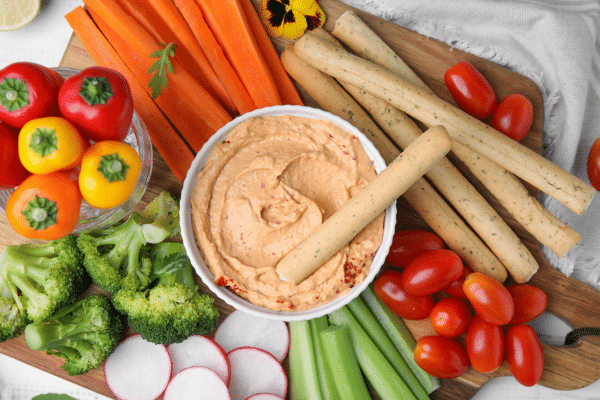
Smart snacking refers to consuming small, nutritious snacks between meals to manage hunger and support weight loss. Unlike mindless snacking, which often involves reaching for unhealthy options, smart snacking emphasizes nutrient-dense foods that provide essential vitamins, minerals, and energy. This approach helps maintain steady blood sugar levels, prevent energy crashes, and reduce the likelihood of overeating during main meals.
The concept of smart snacking is rooted in the idea of eating with intention. Individuals can avoid the pitfalls of impulsive eating by planning and choosing snacks wisely. Smart snacks should ideally be balanced, incorporating a mix of macronutrients such as proteins, healthy fats, and carbohydrates. This balance ensures that the body receives sustained energy and satiety, making adhering to a healthy eating plan and achieving weight loss goals easier.
Benefits of Smart Snacking

One of the primary benefits of smart snacking is its ability to prevent overeating during main meals. When hunger strikes between meals, it often leads to poor food choices and larger portions during lunch or dinner. By incorporating healthy snacks, individuals can keep their hunger in check, making it easier to control portions and choose nutritious foods during meals. This, in turn, supports a calorie deficit essential for weight loss.
Additionally, smart snacking helps in maintaining consistent energy levels throughout the day. Unlike sugary or high-fat snacks that cause energy spikes and crashes, nutrient-dense snacks provide a steady fuel source. This steady energy supply enhances overall productivity, keeps the metabolism active, and supports physical activity, which is crucial for effective weight loss. By keeping energy levels stable, smart snacking can also reduce the temptation to reach for unhealthy, high-calorie foods.
Choosing the Right Snacks
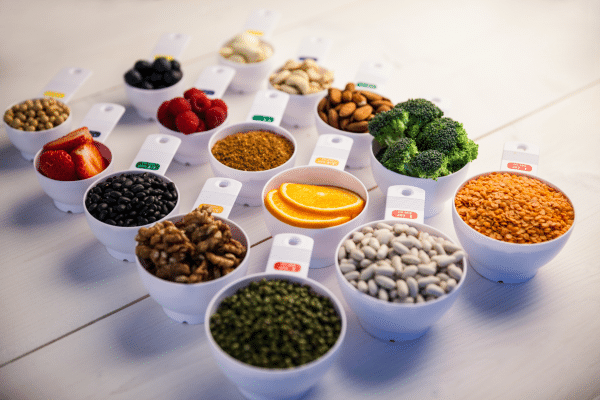
Selecting the right snacks is crucial for successful smart snacking. Healthy snacks should be high in fiber and protein, low in added sugars, and rich in essential nutrients. Fiber and protein are particularly important as they promote feelings of fullness and help control appetite. Fruits, vegetables, nuts, seeds, yogurt, and whole grains are excellent choices for nutrient-dense snacks that are easy to incorporate into daily routines.
In addition to nutritional content, convenience plays a significant role in choosing the right snacks. Opting for snacks that are easy to prepare and transport ensures that healthy options are always available, reducing the temptation to reach for less nutritious alternatives. Preparing snacks in advance, such as cutting fruits and vegetables or portioning out nuts, can make healthy snacking more accessible and convenient. Individuals can set themselves up for smart snacking success by planning and preparing.
Timing Your Snacks Wisely
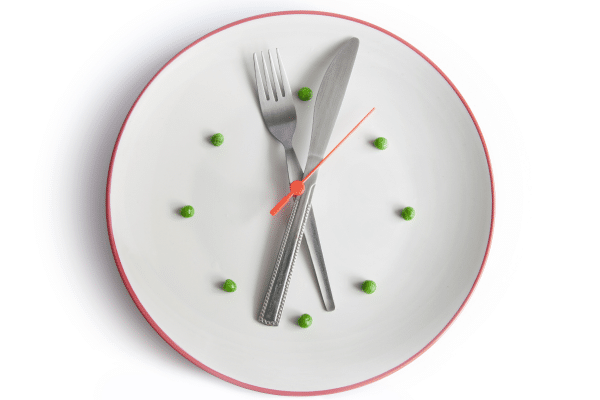
Timing is a critical factor in smart snacking. Eating snacks at the right times can optimize their benefits and support weight loss efforts. Snacks should be consumed between meals, approximately two to three hours after a meal, to maintain steady blood sugar levels and prevent excessive hunger. This timing helps reduce the likelihood of overeating during main meals and keeps the metabolism active throughout the day.
In addition to timing, it’s important to consider the relationship between snacks and physical activity. Consuming a snack before or after a workout can fuel recovery. For instance, a small snack containing carbohydrates and protein can enhance exercise performance and replenish glycogen stores post-workout. By aligning snack times with meal schedules and physical activity, individuals can maximize the benefits of smart snacking for weight loss.