Portion Control and Mindful Eating

Portion control is a fundamental aspect of smart snacking. Even healthy snacks can contribute to weight gain if consumed in large quantities. It’s essential to be mindful of portion sizes to prevent excess calorie intake. Small bowls, pre-portioning snacks, and avoiding eating directly from larger packages can help maintain portion control and prevent mindless eating.
Mindful eating practices further enhance the benefits of smart snacking. This involves paying attention to the eating experience, savoring each bite, and recognizing hunger and fullness cues. By eating slowly and mindfully, individuals can enjoy their snacks more fully and avoid overeating. Mindful eating also helps develop a healthier relationship with food, making it easier to stick to a balanced diet and achieve weight loss goals.
Protein-Packed Snacks
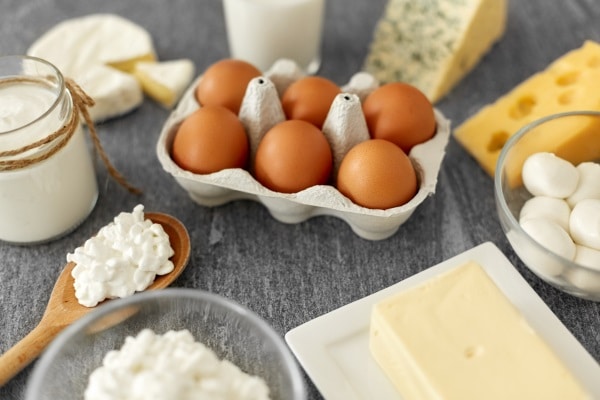
Protein is a vital nutrient for weight loss, making protein-packed snacks an excellent choice for smart snacking. Protein helps preserve muscle mass, is essential for a healthy metabolism, promotes satiety, and reduces overall calorie intake. Incorporating high-protein snacks into the diet can aid in weight loss by keeping hunger at bay and providing sustained energy.
There are many convenient and delicious protein-packed snacks to choose from. Greek yogurt, hard-boiled eggs, cottage cheese, lean meat slices, and protein bars are all excellent options. These snacks are rich in protein and easy to prepare and transport, making them ideal for busy lifestyles. Individuals can enjoy diverse flavors and textures by including various protein sources in snacks while supporting their weight loss efforts.
Fiber-Rich Snacks

Fiber is another key component of smart snacking, known for its ability to promote satiety and support digestive health. Fiber-rich snacks help keep hunger at bay, reducing the temptation to overeat during meals. Additionally, fiber aids in regulating blood sugar levels, which is crucial for maintaining energy and preventing cravings for unhealthy foods.
Some excellent fiber-rich snacks include apples with almond butter, carrot sticks with hummus, chia pudding, and whole-grain crackers. These snacks are high in fiber and provide a satisfying crunch and flavor, making them enjoyable to eat. By incorporating fiber-rich foods into the snack repertoire, individuals can enhance their weight loss efforts and enjoy a balanced diet.
Low-Calorie Snack Ideas
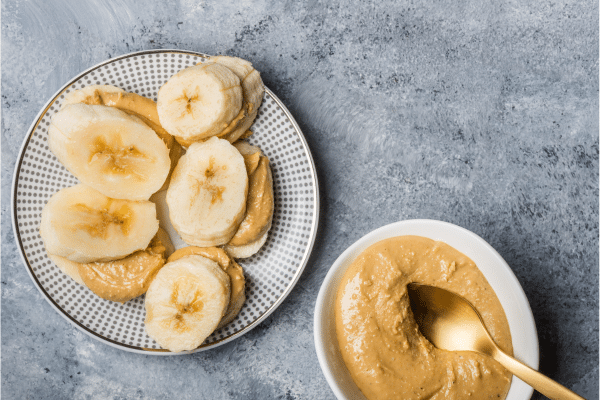
Incorporating low-calorie snacks into the diet is a smart strategy for maintaining a calorie deficit without feeling deprived. Low-calorie snacks provide essential nutrients and energy while keeping overall calorie intake in check. This approach helps achieve weight loss goals more effectively by balancing satisfaction and calorie control.
Some creative low-calorie snack ideas include cucumber slices with tuna, air-popped popcorn, and berries with a splash of lemon juice. These snacks are not only low in calories but also delicious and easy to prepare. By exploring various low-calorie options, individuals can enjoy satisfying snacks supporting their weight loss journey without compromising taste or nutrition.
Combining Snacks for Balanced Nutrition
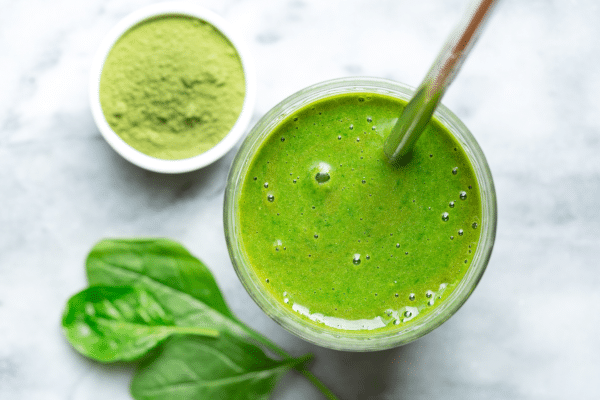
Combining different food groups in a snack can provide balanced nutrition and sustained energy. A well-rounded snack should ideally include protein, healthy fats, and carbohydrates to keep hunger at bay and provide essential nutrients. This balance ensures the body receives a steady energy supply and supports overall health and weight loss goals.
Some balanced snack combinations include apple slices with peanut butter, a small salad with chickpeas, or a smoothie with spinach, banana, and protein powder. These combinations offer a mix of flavors and textures, making snacks more enjoyable and nutritious. By experimenting with different combinations, individuals can discover their favorite delicious, smart snacks that support their weight loss efforts.
Snacking Smart for a Healthier You
Incorporating smart snacking habits into daily routines can significantly enhance weight loss efforts and overall health. Individuals can maintain steady energy levels and prevent overeating by choosing nutrient-dense snacks, paying attention to portion sizes, and timing snacks wisely. Protein-packed and fiber-rich snacks provide essential nutrients that promote satiety and support digestive health, while low-calorie options help maintain a calorie deficit. Combining different food groups for balanced nutrition ensures that snacks are satisfying and beneficial. Embracing smart snacking practices can lead to sustainable weight loss and a healthier lifestyle, demonstrating that small, mindful changes can substantially impact.