Superfoods, often hailed as the keystones of a healthy diet, have garnered immense popularity for their nutrient-packed profiles. However, the notion that all superfoods inherently promote weight loss is a widespread misconception. This article delves into how certain superfoods, despite their health benefits, can actually make you gain weight if not consumed judiciously. The focus is on revealing the hidden aspects of these foods, from their calorie density to their preparation methods, which can turn them from health allies into diet adversaries.
Avocados: Nutrient-Rich But Calorie-Dense
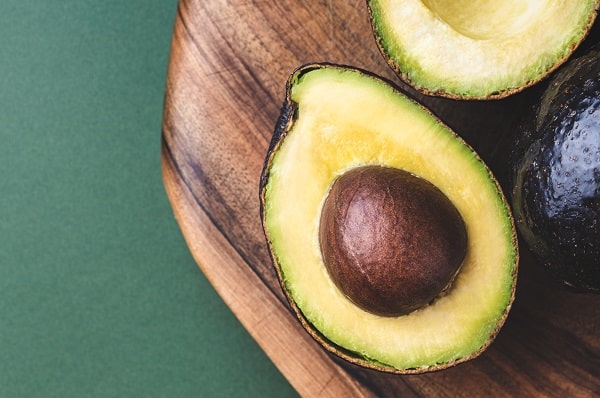
Avocados are a staple in the health-conscious community, cherished for their rich content of healthy fats, vitamins, and minerals. They are an excellent source of fiber, potassium, and vitamins C, E, and K. However, avocados are also high in calories and fat. A single avocado can contain up to 320 calories and 29 grams of fat, a significant amount if one is not mindful of portion sizes. This high caloric density means that even a small amount of avocado can add a substantial number of calories to a meal, making weight management challenging if not monitored closely.
To incorporate avocados into a diet without overindulging, it’s crucial to be aware of portion sizes. Instead of consuming a whole avocado in one sitting, try using a quarter or half, and balance it with low-calorie, nutrient-dense foods like leafy greens or lean proteins. This approach allows for enjoying the health benefits of avocados while keeping calorie intake in check.
Quinoa: A Protein Powerhouse With High Carbs

Quinoa, often celebrated for its high protein content and status as a complete protein source, is a favorite among vegetarians and health enthusiasts. It’s also rich in fiber, antioxidants, and various micronutrients, making it a seemingly ideal choice for a healthful diet. However, quinoa is also high in carbohydrates. A cup of cooked quinoa contains around 222 calories with 39 grams of carbs, which can be counterproductive for those watching their carbohydrate intake or trying to lose weight.
Incorporating quinoa into a diet in a weight-friendly manner involves balancing it with other low-carb foods. For instance, pairing quinoa with a hearty serving of vegetables and a lean protein source can create a well-rounded meal that’s filling yet not overly high in calories. This balance is key in utilizing quinoa’s health benefits while keeping the overall carbohydrate and calorie count in check.
Nuts: Healthy Fats But Easy To Overeat

Nuts are renowned for their health benefits, packed with essential nutrients, healthy fats, and proteins. They are great for heart health, can help lower cholesterol levels, and are a convenient, satisfying snack. However, the calorie content in nuts is high, making them easy to overconsume. A small handful of nuts can contain over 200 calories, primarily from fats. While these are healthy fats, their high-calorie count can quickly add up, leading to unintentional weight gain, especially when consumed in large quantities without regard to portion size.
To enjoy nuts as a healthy snack without the risk of overindulging, portion control is crucial. Pre-portioning servings or opting for single-serving packages can be effective strategies. Additionally, mixing nuts with lower-calorie foods, such as air-popped popcorn or fresh fruit, can help extend the volume of the snack while keeping calorie intake lower. This approach allows for the enjoyment of the nutritional benefits of nuts while maintaining a balanced diet.
Coconut Oil: Trendy But High In Saturated Fats

Coconut oil has gained significant attention in health and wellness circles, often promoted for its potential benefits, including improving skin health and boosting metabolism. It’s a versatile oil used in everything from cooking to beauty routines. However, coconut oil is predominantly composed of saturated fats, which can be detrimental to heart health when consumed in large quantities. In fact, about 90% of the fats in coconut oil are saturated, which can raise LDL (bad) cholesterol levels. This aspect of coconut oil is often overshadowed by its health halo, leading to its overuse in daily diets.
To incorporate coconut oil healthily into your diet, moderation is key. It’s wise to use it sparingly in cooking, opting for a small amount to sauté vegetables or add flavor to dishes. Alternating coconut oil with other healthier oils like olive or avocado oil, which are high in unsaturated fats, can also be beneficial. These practices allow individuals to enjoy the unique flavor and potential benefits of coconut oil without overindulging in saturated fats.