Sugar-free treats have become a staple in the modern diet, particularly for those seeking healthier alternatives to sugary snacks. However, the term “sugar-free” doesn’t always equate to being low in calories. This misconception can lead to uninformed choices that inadvertently affect one’s dietary goals. This article explores the concept of ‘caloric cost’ in sugar-free products, unraveling the hidden truths behind these popular treats. By examining the ingredients, nutritional content, and impact on health, this post aims to provide a comprehensive understanding of what sugar-free really means in terms of caloric value.
Understanding Sugar-Free Treats
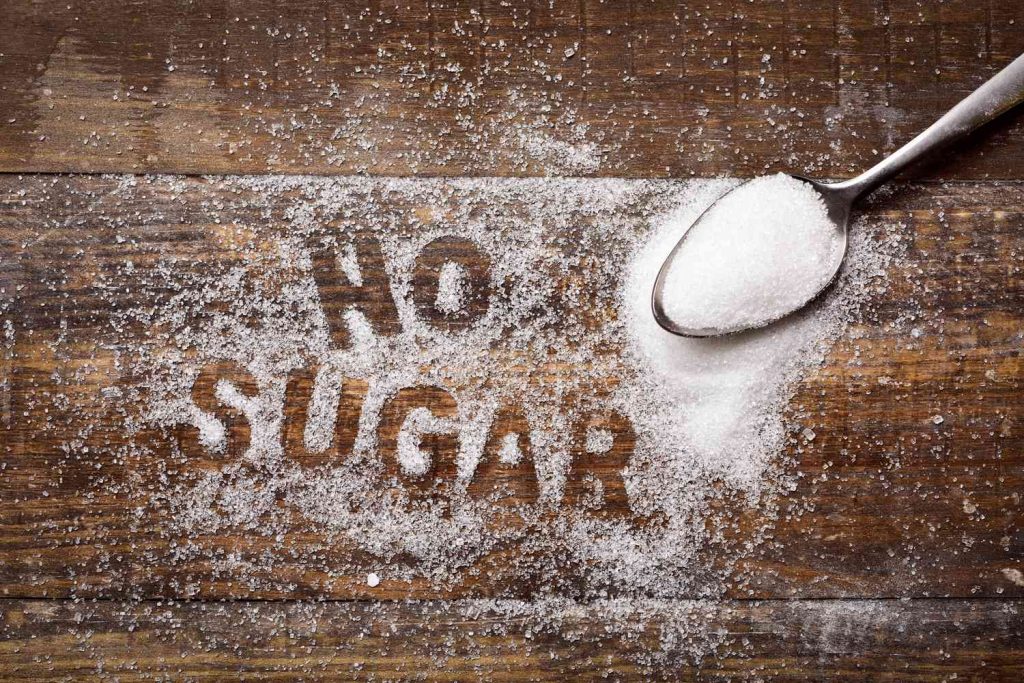
Sugar-free treats are often marketed as healthier alternatives, but understanding what constitutes a sugar-free product is crucial. Typically, these treats are devoid of natural sugars but may contain various substitutes that provide sweetness without the actual sugar content. These substitutes range from artificial sweeteners like aspartame to natural alternatives like stevia, each with their unique caloric profiles. It’s important to differentiate between sugar-free and low-calorie products, as they are not always synonymous. This distinction is vital for those monitoring their calorie intake for health or dietary reasons.
Despite their no-sugar tag, many sugar-free products contain ingredients that contribute to their total caloric count. Common additions like fats and oils, often used to enhance flavor and texture in the absence of sugar, can significantly increase the calorie content. Understanding the overall composition of these treats is essential for making informed dietary choices. This segment of the blog will delve into the various components that make up sugar-free treats and how they impact the overall calorie content.
The Caloric Content of Popular Sugar-Free Ingredients
In the realm of sugar-free treats, the choice of sweetener plays a pivotal role in determining the caloric content. Artificial sweeteners, such as sucralose and saccharin, are popular due to their low-caloric impact. These sweeteners can be hundreds of times sweeter than sugar, requiring smaller quantities to achieve the same level of sweetness, thereby reducing the overall calorie count.
However, not all sugar-free sweeteners are low in calories. Sugar alcohols like xylitol and erythritol, commonly used in sugar-free gums and desserts, contain fewer calories than sugar but are not entirely calorie-free. Similarly, natural sweeteners like stevia and monk fruit extract offer sweetness without the caloric load of sugar, but their use in products might be complemented with other caloric ingredients. This section will compare these sugar substitutes to regular sugar, providing a clearer picture of their caloric differences.
Misconceptions About Sugar-Free Products
A prevalent misconception about sugar-free treats is the belief that they are inherently low in calories. This misunderstanding can lead to overconsumption, as people may eat larger portions under the guise of being healthier. However, the calorie content in sugar-free products often comes from other sources, like fats and complex carbohydrates, which can add up quickly.
This part of the blog will address these myths, highlighting how other ingredients in sugar-free products can significantly contribute to the overall caloric value. Additionally, it will explore the impact of marketing tactics that promote sugar-free products as a healthier choice, often overshadowing their true nutritional profile. By debunking these misconceptions, the post aims to equip readers with the knowledge to make more informed decisions about their consumption of sugar-free treats.
The Role of Fiber and Proteins in Sugar-Free Treats
Fiber and proteins play a significant role in the nutritional profile of sugar-free treats, often used to enhance the texture and satiety factor. While these ingredients are essential for a balanced diet, their presence in sugar-free products can also influence the total caloric content. Fiber, particularly soluble types found in some sugar-free snacks, can add bulk without significantly increasing calories, offering a feeling of fullness. However, it’s important to note that not all fiber sources are low in calories, and some sugar-free products may use higher-calorie fibrous ingredients.
Proteins, on the other hand, are frequently added to sugar-free treats to increase their nutritional value and to provide a sustained energy source. While protein is a vital macronutrient, its addition can also raise the caloric count of the product. This is especially true when protein-rich ingredients like nuts, seeds, or dairy products are used, which are higher in calories. Understanding the balance and proportion of these macronutrients in sugar-free treats is crucial for those who are calorie-conscious or managing specific dietary needs.
How Sugar-Free Treats Impact Weight Management
Integrating sugar-free treats into a weight management plan can be a double-edged sword. On one hand, these treats can satisfy sweet cravings without the added sugar, potentially aiding in reducing overall sugar intake. On the other, the misconception that sugar-free automatically means low-calorie can lead to overconsumption, adversely affecting weight management goals. It’s important to understand that while sugar-free treats can be a part of a balanced diet, they should not be seen as a free pass to eat without limits.
The key to effectively using sugar-free treats for weight management lies in moderation and understanding their place within a broader dietary context. While they can provide a safer alternative to sugar-laden snacks, their caloric and nutritional content still needs to be considered. This section will explore how to incorporate sugar-free treats into a diet effectively, emphasizing the difference between merely reducing calorie intake and making healthy dietary choices. By examining the role of these treats in the context of a balanced diet, readers can gain insights into managing their weight effectively while still enjoying sweet indulgences.
The Psychological Aspects of Consuming Sugar-Free Treats

The psychological impact of consuming sugar-free treats is a critical aspect that often goes unnoticed. Many people perceive sugar-free options as guilt-free, leading to a false sense of security about their dietary choices. This perception can result in overeating, as the reduced guilt associated with sugar-free treats might encourage higher consumption volumes. Understanding this psychological dynamic is essential in managing overall caloric intake and maintaining a balanced diet.
Moreover, the satisfaction derived from eating sugar-free treats can vary significantly from person to person. For some, these treats can successfully replace sugary snacks, while others may find them less satisfying, leading to additional eating to fulfill cravings. This section of the blog will delve into the psychological aspects of consuming sugar-free treats, including how perception influences eating habits and the role of these treats in a psychologically balanced diet. By exploring these psychological factors, readers can be more mindful of their eating behaviors and make choices that align with their overall health and wellness goals.
Case Studies – Sugar-Free Treats and Their Actual Caloric Cost

Analyzing real-life examples of sugar-free treats offers a practical insight into their caloric content and nutritional value. Case studies of popular sugar-free products, like sugar-free chocolates, gums, and baked goods, will be examined in this section. Each product will be broken down in terms of its ingredients, highlighting how the replacement of sugar with other components affects the overall caloric value. This analysis aims to provide a realistic picture of what consumers are actually consuming when they opt for these sugar-free alternatives.
Comparisons will also be made with the sugary counterparts of these treats to illustrate the differences in caloric content. For instance, a sugar-free chocolate bar might have fewer calories from sugars but could have higher fat content, affecting its total calorie count. This comparative approach will help readers understand that while sugar-free options might reduce sugar intake, they do not always equate to a lower-calorie snack. The case studies will underscore the importance of looking beyond the ‘sugar-free’ label to understand the true nutritional impact of these products.
Making Informed Choices
The final heading emphasizes the importance of making informed choices when it comes to sugar-free treats. It will provide practical tips for consumers on how to assess and select sugar-free products wisely. This includes advice on reading labels to understand the nutritional content, paying special attention to serving sizes and the ingredients list. The goal is to equip readers with the knowledge to discern between truly healthy options and those that are merely marketed as such.
Additionally, this section will offer strategies for incorporating sugar-free treats into a balanced diet. It will discuss the importance of moderation, the integration of these treats as part of a diverse diet, and how to avoid common pitfalls like overconsumption. By providing these guidelines, the post aims to help readers make choices that align with their health and nutritional goals, enabling them to enjoy sugar-free treats without compromising their dietary objectives.
The True Impact of Sugar-Free Treats
Sugar-free treats present a complex landscape where the absence of sugar does not necessarily imply a lower caloric content. This exploration has highlighted the importance of understanding the ingredients and nutritional profiles of these products. It is clear that informed choices, moderation, and a comprehensive view of one’s diet are crucial for integrating sugar-free treats healthily. As consumers, the key is to look beyond the allure of sugar-free labels and focus on the overall nutritional value and impact on dietary goals, ensuring a balanced and mindful approach to enjoying these popular alternatives.