Electrolytes are a cornerstone of your health, playing essential roles in many of your body’s key functions. Despite their crucial importance, they are often misunderstood or even overlooked. To fully grasp the concept of health and wellness, understanding electrolytes and their roles is pivotal. This post will dive into what electrolytes are, their specific roles in your body, and the possible implications of electrolyte imbalances. By taking this journey, you can better understand your body, enabling you to take steps toward improved health and well-being.
What Are Electrolytes?
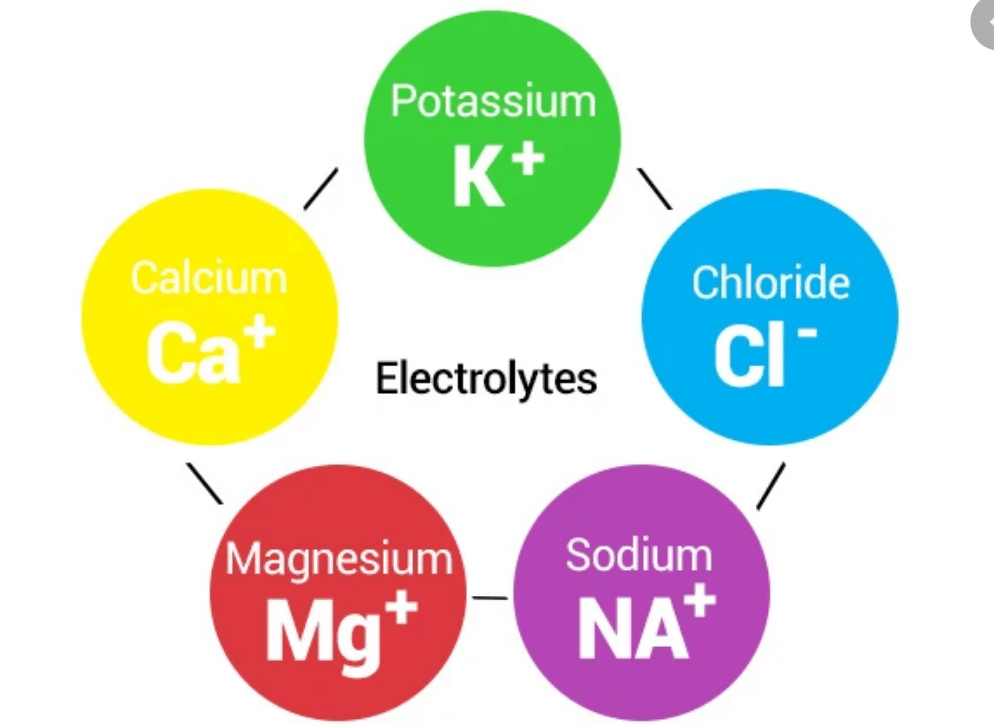
Electrolytes are minerals that dissolve into positive and negative charges when they enter your body fluids. These charges are vital for various bodily functions, including hydration, nerve impulses, and muscle contractions. The primary electrolytes in your body are sodium, potassium, calcium, bicarbonate, magnesium, chloride, and phosphate.
Each electrolyte plays a unique and indispensable role in your body. Sodium, for instance, helps control fluids in the body, influencing blood pressure. On the other hand, calcium is integral to the health of your bones and teeth. As you continue through this post, you will further explore the specific roles and importance of each electrolyte.
Electrolytes And Cellular Function

Electrolytes are integral for maintaining the cell’s membrane potential, which is crucial for many cellular processes. A gradient of electrolytes across the cell membrane maintains this potential. It enables the passage of signals in neurons, muscle contraction, and heart function. Essentially, electrolytes’ role at the cellular level affects every function in your body.
Moreover, they are responsible for facilitating nerve impulse transmission. Electrolytes allow cells to generate energy, maintain the stability of cell walls, and to function overall. They create an environment that enables the transmission of electrical signals from the brain to the rest of the body, allowing you to move, think, and feel.
Electrolytes And Fluid Balance
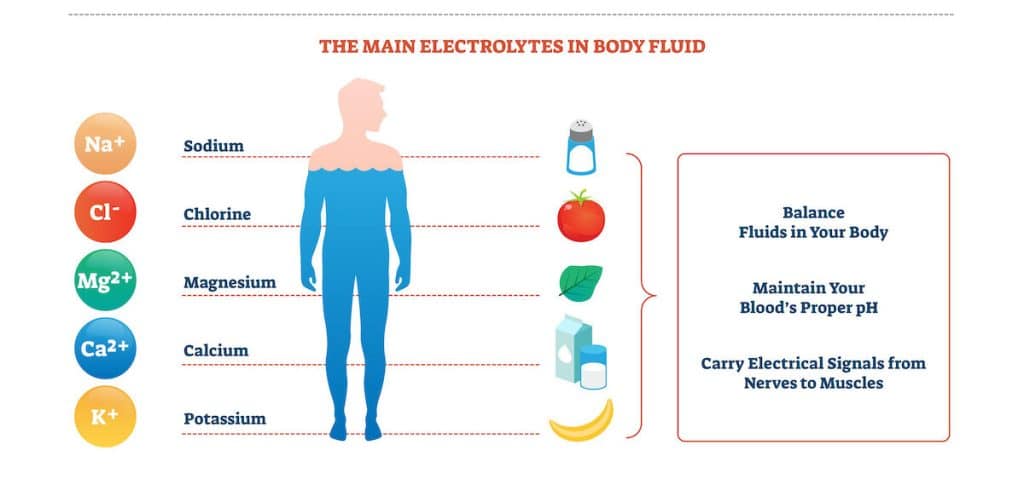
Fluid balance is a carefully regulated system that involves keeping the body’s water levels stable. Electrolytes, specifically sodium, play a crucial role in this balance. Sodium holds a key role in managing the body’s fluid balance by sending signals to the kidneys, dictating whether to hold on to water or remove it from the body.
Conversely, when electrolyte levels are imbalanced, it can lead to fluid imbalance. For instance, excessive sodium can lead to fluid retention, resulting in swelling and high blood pressure. In contrast, low sodium levels can lead to dehydration. Therefore, a balanced intake of electrolytes is vital for maintaining healthy fluid balance in your body.
Electrolytes And pH Regulation
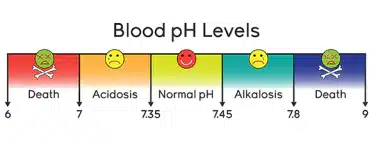
Maintaining the body’s pH level within a narrow range is crucial for overall health. Electrolytes, particularly bicarbonate, play a significant role in this. Bicarbonate serves as a powerful pH regulator, neutralizing acids in the body to maintain a stable pH level, around 7.4 in the bloodstream.
When your pH is imbalanced, it can lead to acidosis or alkalosis – conditions that can be detrimental to your health. Acidosis results from excessive acidity in the blood and other body tissues, while alkalosis is the result of too much base. Both can lead to severe health conditions, underlining the importance of electrolytes in maintaining the body’s pH balance.
The Importance Of Sodium
As discussed earlier, sodium is a crucial electrolyte in the human body and is integral in maintaining fluid balance. Sodium works with potassium to maintain proper fluid balance and also helps regulate blood volume and blood pressure. Without a sufficient amount of sodium, these systems would fail to function correctly, leading to health complications.
Additionally, sodium is responsible for facilitating nerve and muscle functions. It is involved in the process of transmitting nerve signals and prompting muscle contractions. Low levels of sodium, a condition known as hyponatremia, can lead to symptoms such as fatigue, seizures, and nausea. Conversely, high sodium levels, or hypernatremia, can lead to thirst, swelling, and high blood pressure.
The Role Of Potassium

Potassium, another vital electrolyte, works closely with sodium to ensure proper body function. It assists in regulating fluid balance, nerve signals, and muscle contractions. Without the correct potassium balance, one might experience muscle weakness, irregular heart rhythms, and changes in blood pressure.
Interestingly, potassium is also vital for heart health. It helps to regulate your heartbeat and ensure it beats correctly. Hypokalemia, or low potassium levels, can result in fatigue, muscle damage, and heart palpitations. On the other hand, hyperkalemia, or high potassium levels, may cause serious heart conditions, including heart attacks in severe cases.