Calcium’s Function
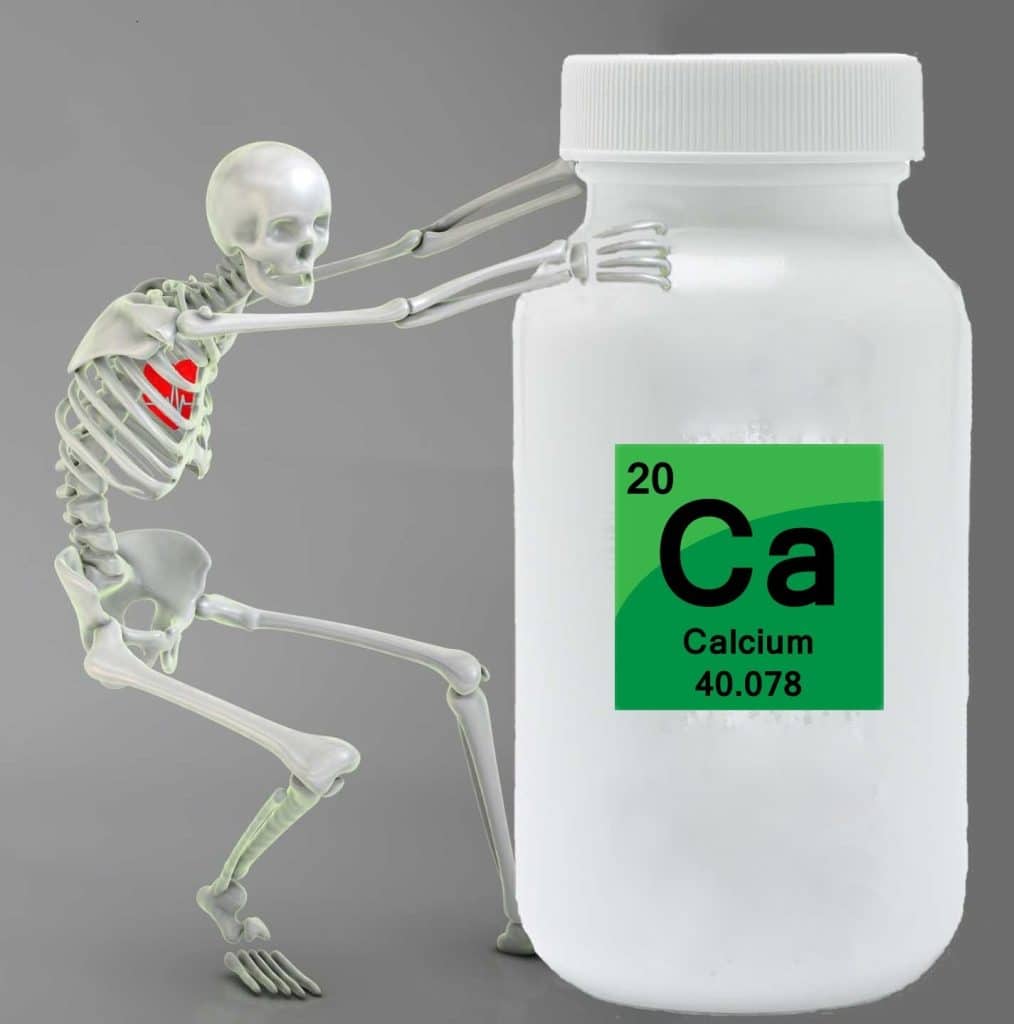
Calcium is perhaps best known for its role in supporting strong bones and teeth, but its functions as an electrolyte extend far beyond that. It is critical for muscle contraction, including the heart muscle. By facilitating the binding of actin and myosin, the proteins that enable muscles to contract, calcium is an essential player in muscular functions.
Furthermore, calcium is critical in the blood clotting process and helps maintain normal cell function. Hypocalcemia, or low calcium levels, can lead to confusion, memory loss, muscle spasms, and numbness. Hypercalcemia, or high calcium levels, can lead to kidney stones, cognitive issues, and heart rhythm abnormalities.
Importance Of Bicarbonate

Bicarbonate serves as one of the body’s primary pH regulators. It helps maintain a stable pH level in the blood and other body tissues, preventing conditions like acidosis and alkalosis. Bicarbonate essentially neutralizes acids in the body, keeping your systems functioning optimally. Notably, bicarbonate also aids in the digestive process.
It’s a key component of pancreatic secretions, helping to neutralize stomach acid as it enters the intestines. Without adequate bicarbonate, your digestive processes could be disrupted, leading to conditions like acid reflux and ulcers. A severe bicarbonate deficiency can lead to metabolic acidosis, a condition characterized by an overly acidic environment in the body.
Understanding Magnesium’s Role
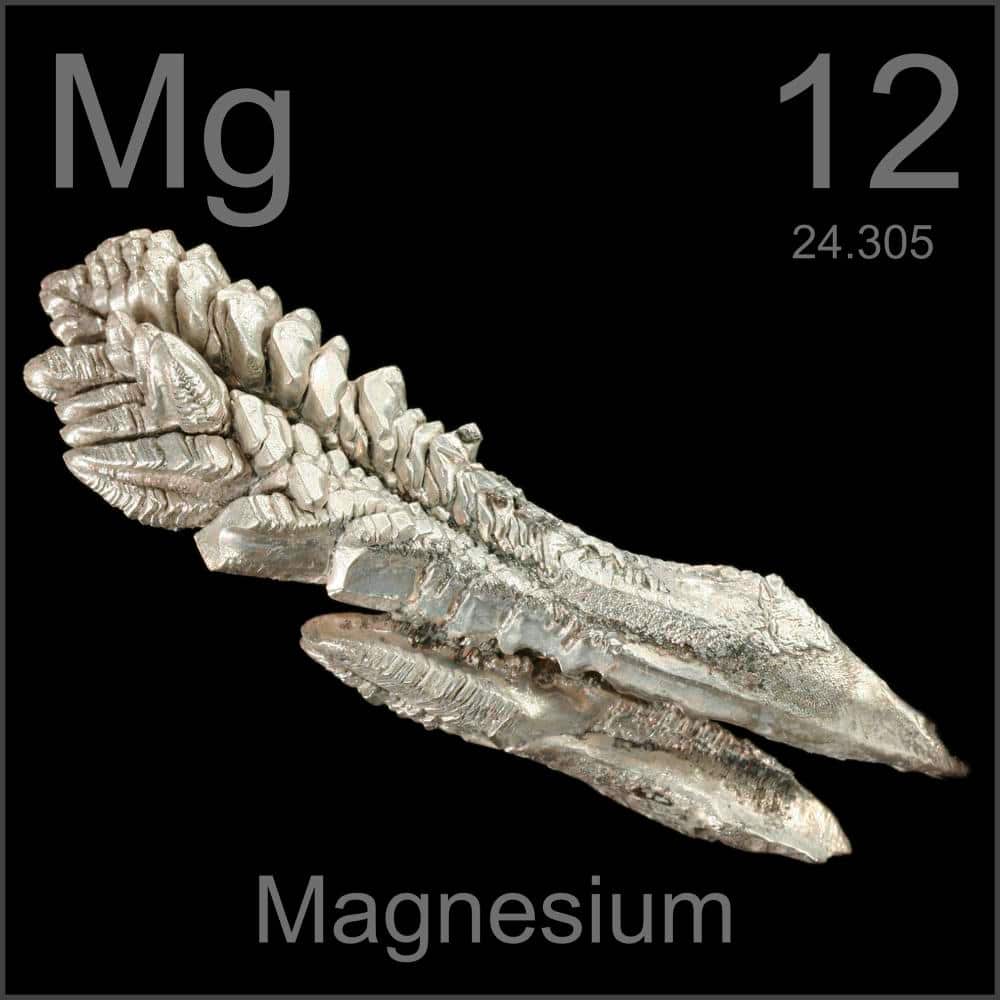
Magnesium plays a fundamental role in over 300 enzymatic reactions within the body, making it a crucial electrolyte. It is involved in processes that produce ATP, the molecule responsible for storing and transporting energy in cells. Without adequate magnesium, your body would struggle to produce the energy required for various biological reactions.
Moreover, magnesium is integral for nerve function, protein synthesis, and blood sugar control. It also contributes to the structural development of bones and helps maintain a steady heartbeat. Hypomagnesemia, or low magnesium levels, can cause symptoms such as muscle twitches, fatigue, and high blood pressure. On the other hand, hypermagnesemia, or excessively high magnesium levels, can lead to irregular heartbeat and cardiac arrest.
Role Of Chloride In The Body
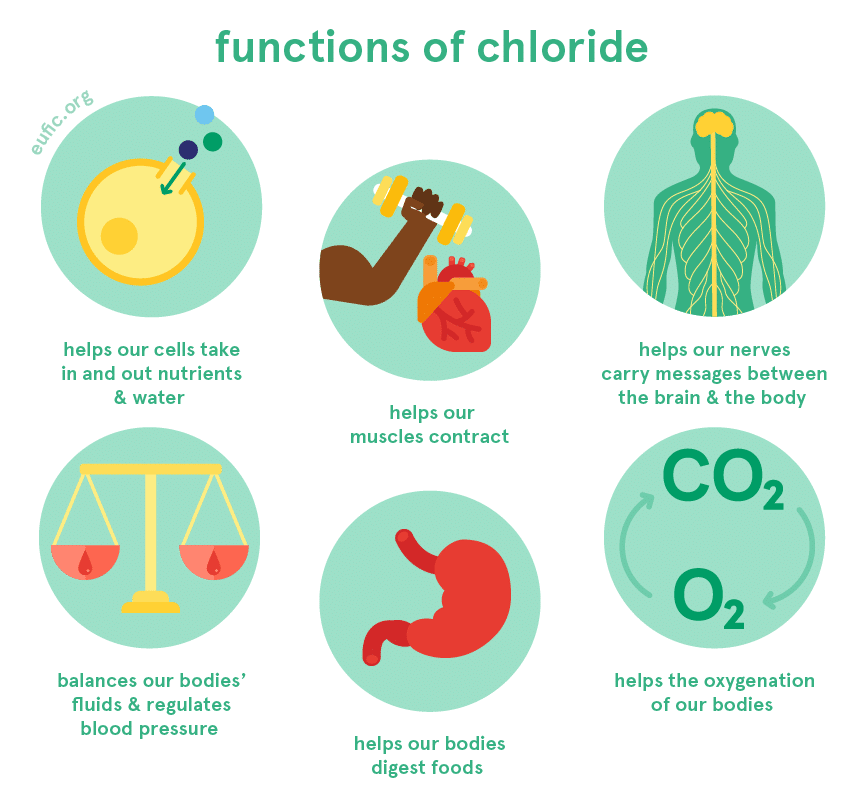
Chloride, another vital electrolyte, aids in maintaining fluid balance, much like sodium and potassium. It helps regulate the amount of fluid inside and outside cells and maintains blood volume, blood pressure, and pH of your body fluids. Without adequate chloride, your body’s fluid balance could be disrupted.
Additionally, chloride plays a crucial role in producing gastric juice. It is a part of hydrochloric acid, the strong acid released into the stomach to aid in the digestion of food. Hypochloremia, or low chloride levels, can lead to metabolic alkalosis, causing symptoms like muscle twitching and hand tremors. Hyperchloremia, or high chloride levels, can result in weakness, dehydration, and kidney diseases.
Phosphate’s Contribution To Body Functioning
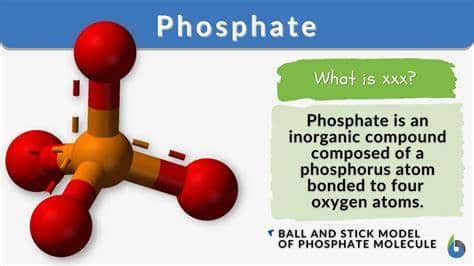
Phosphate plays a multifaceted role in the body. It is an essential part of your DNA and RNA structure and necessary for energy production. Phosphate is used in the creation of ATP, the molecule your body uses for energy storage and transfer. Furthermore, phosphate is crucial for bone and teeth health.
It pairs with calcium to form calcium phosphate, a component of hydroxyapatite, the hard, structural material found in bones and teeth. Hypophosphatemia, or low phosphate levels, can lead to muscle weakness, bone pain, and confusion. Hyperphosphatemia, or high phosphate levels, can result in joint and muscle pain and itchy skin.
The Importance Of Maintaining Electrolyte Balance

As you have been learning, maintaining a balance of electrolytes is crucial for your body’s optimal function. An imbalance can lead to various health issues, from minor symptoms like fatigue and muscle cramping to severe complications such as seizures and heart rhythm disturbances. This balance is often maintained through a well-regulated diet and adequate hydration.
Electrolyte imbalances can also indicate underlying health issues. They might signify problems such as kidney disease or hormonal imbalances requiring medical attention. Therefore, if you’re experiencing symptoms related to electrolyte imbalances, it’s crucial to seek medical advice to identify and address potential underlying causes.
Be Mindful Of The Crucial Role Electrolytes Play In Your Body!
As you’ve seen, electrolytes play an indispensable role in your body, from maintaining fluid balance and regulating nerve function to assisting in muscle contractions and pH regulation. A healthy balance of electrolytes is crucial for optimal health, and imbalances can lead to various health complications. Therefore, a balanced diet and proper hydration are key to maintaining these levels. By understanding the roles and importance of electrolytes, you can make more informed decisions about your health and wellness, paving the way for a healthier future.