Calorie restriction has become a buzzword in the world of health and fitness. It’s often touted as a straightforward way to lose weight, improve longevity, and enhance mental clarity. However, like any trend, it comes with its risks and drawbacks. While reducing caloric intake can offer some benefits, extreme calorie restriction can lead to various physical and psychological problems. This article aims to shed light on the hidden dangers of extreme calorie restriction, providing a comprehensive look at the risks involved and offering safer alternatives for those looking to improve their health.
What Is Calorie Restriction?
Calorie restriction refers to reducing daily caloric intake below what is required to maintain current body weight. This is often done to lose weight or improve overall health. The concept is simple: consume fewer calories than the body uses, and weight loss will occur. However, the simplicity of this approach is part of its appeal, making it easy for people to implement without much guidance.
Popular calorie restriction methods include intermittent fasting, the 5:2 diet, and other low-calorie diets. These methods vary in approach but share the common goal of reducing caloric intake. The appeal of these methods often lies in their promise of quick results. In a society that values instant gratification, the allure of shedding pounds quickly can be irresistible, leading many to adopt extreme calorie restriction without considering the potential risks.
The Science Behind Calorie Restriction

The science of calorie restriction is rooted in the concept of energy balance. The body requires a certain number of calories to maintain its current weight. Consuming fewer calories than this maintenance level results in weight loss. This is known as creating a “caloric deficit,” and it’s the fundamental principle behind most weight loss strategies.
However, it’s essential to differentiate between calorie restriction’s short-term and long-term effects. In the short term, reducing caloric intake can lead to weight loss, improved blood sugar control, and enhanced cognitive function. These benefits make calorie restriction an attractive option for many. Yet, it’s crucial to understand that these are short-term gains, and extreme calorie restriction can lead to severe consequences in the long run.
The Line Between Calorie Restriction and Extreme Calorie Restriction

A moderate caloric deficit is generally considered safe and can be an effective way to lose weight. Health experts often recommend a daily caloric deficit of 500 to 1,000 calories for sustainable weight loss. However, extreme calorie restriction reduces caloric intake to dangerously low levels, far below what is considered safe or sustainable.
Extreme calorie restriction can be defined as reducing daily caloric intake to insufficient levels for basic bodily functions. This is not only unsustainable but also dangerous. The line between moderate and extreme calorie restriction can be thin, and crossing it can lead to various health issues discussed in the following sections.
Physical Dangers of Extreme Calorie Restriction
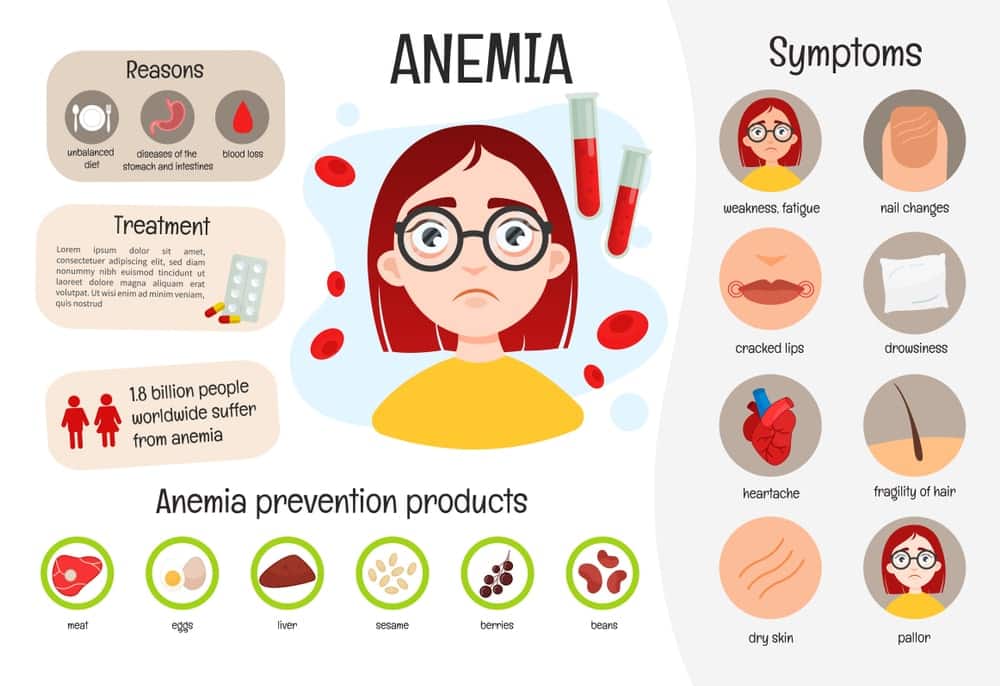
Extreme calorie restriction can lead to many physical problems, starting with nutritional deficiencies. When caloric intake is severely limited, meeting the body’s requirements for essential nutrients like vitamins and minerals becomes challenging. This can result in conditions like anemia, weakened immune function, and even neurological issues. Nutritional deficiencies can cascade health effects, leading to more severe complications over time.
Another significant concern is muscle loss. While the goal of calorie restriction is often to lose fat, extreme calorie restriction can lead to the body breaking down muscle tissue for energy. This is particularly problematic because muscle mass is crucial for metabolic health and physical strength. Losing muscle can reduce metabolic rate, making it even harder to lose weight long-term and setting the stage for various health problems.