Processed foods have become a staple in many people’s diets due to their convenience, affordability, and long shelf-life. They are present in your meals in various forms, ranging from canned vegetables to fast food burgers. In essence, any food altered in any way from its natural state can be considered processed. While some processing methods, such as freezing or pasteurization, might retain the nutritional value, others might add harmful ingredients. This post will take a closer look at the potential hidden dangers of processed foods and shed light on their implications for your health.
The Allure Of Processed Foods
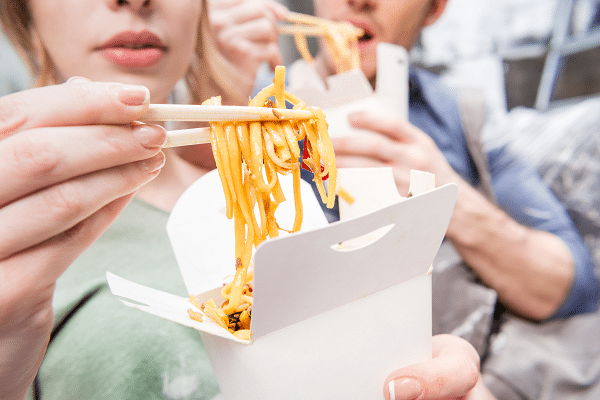
In today’s fast-paced society, processed foods offer convenience and save time, making them an appealing option for many. These food products often require little to no preparation, making them ideal for individuals with a busy schedule. Besides, they tend to have a longer shelf life due to preservatives, making them handy for unexpected circumstances. With strategic marketing campaigns emphasizing their ease of use, and attractive packaging, these food items have found their way into shopping carts more often than many people realize.
Furthermore, processed foods are designed to be appetizing. They are often high in sugar, fat, and salt, which can trigger your brain’s reward system, causing you to crave these foods. Coupled with clever marketing strategies and the affordability factor, these foods are increasingly chosen over more nutritious whole-food alternatives. Because unfortunately, the food industry plays a significant role in shaping your dietary habits, often at the expense of your health.
Understanding What’s Inside Processed Foods
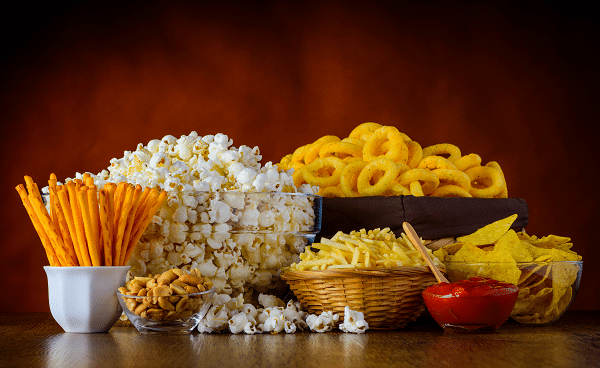
To comprehend the potential dangers of processed foods, it’s crucial to understand what they contain. Ingredients such as additives, preservatives, artificial colors, and flavors are often added to processed foods to enhance their shelf life, taste, and appearance. However, many of these ingredients are synthetic compounds, some of which may have adverse effects on health.
Consider common ingredients like high fructose corn syrup, a sweetener found in a myriad of processed foods, or monosodium glutamate (MSG), a flavor enhancer. These ingredients, among others, contribute not only to the taste and texture of the food but may also pose health risks when consumed regularly. Becoming familiar with these components is a necessary step in recognizing the potential dangers of processed foods.
Hidden Sugars In Processed Foods

One of the primary health concerns associated with processed foods is the high sugar content. Many products contain hidden sugars, meaning they are present in amounts that consumers may not be aware of, contributing to excessive sugar intake. High sugar consumption can lead to various health problems, including obesity, tooth decay, and an increased risk of type 2 diabetes.
Moreover, sugar comes in various disguises on food labels, such as corn syrup, dextrose, maltose, or fruit juice concentrate. Consumers may unknowingly consume high levels of sugar due to misleading food labeling. The frequent consumption of these high-sugar processed foods can lead to habituation and a preference for sweet taste, setting up a vicious cycle of overconsumption.
The Salt Overload
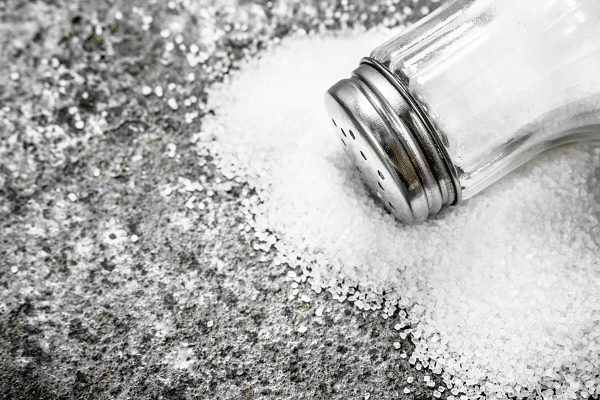
Processed foods are infamous for their high sodium content. Sodium is commonly added to these foods to preserve them and enhance their flavor. However, excessive sodium consumption is linked to a variety of health issues, including high blood pressure, heart disease, and stroke. Furthermore, it’s not just obvious salty foods like chips or canned soups that are high in sodium – even sweet foods like cookies or breakfast cereals can contain surprising amounts.
Despite the known health risks, salt continues to be abundantly used in processed foods. This abundance of sodium makes it easy for individuals to exceed the recommended daily intake, particularly if processed foods make up a significant portion of their diet. Many consumers may not even realize the amount of sodium they consume, highlighting these foods’ hidden dangers.