The rise in obesity and cancer rates is more than just a statistical coincidence; it’s a harrowing reality that poses a significant public health threat. According to the World Health Organization, obesity has nearly tripled since 1975, while cancer remains a leading cause of death worldwide. This article aims to dissect the intricate relationship between obesity and cancer, exploring everything from biological mechanisms to prevention strategies. Understanding this connection is not just a matter of academic interest; it’s a crucial step toward improving healthcare outcomes and saving lives.
The Obesity Epidemic
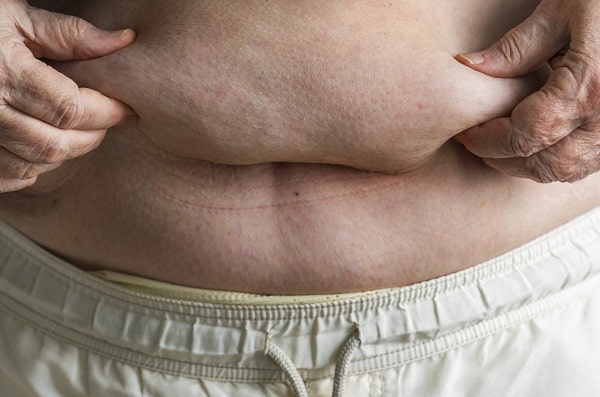
Obesity is a global health crisis that shows no signs of slowing down. Defined by a Body Mass Index (BMI) of 30 or higher, obesity affects a staggering number of individuals across the globe. In the United States, for instance, the Centers for Disease Control and Prevention report that over 42% of adults are classified as obese. The health implications of obesity are far-reaching, affecting everything from cardiovascular health to metabolic function. Yet, one of the most alarming consequences of obesity is its role in increasing the risk of cancer.
The worldwide impact of obesity is equally alarming. According to the World Obesity Federation, approximately 2.8 million people die each year due to complications related to being overweight or obese. These staggering numbers not only strain healthcare systems but also underscore the urgency of addressing obesity as a public health priority.
The Types Of Cancer Linked To Obesity

When it comes to obesity and cancer, the relationship is not a general one; specific types of cancer have been shown to have a strong association with obesity. For example, cancers of the breast, colon, and pancreas are more prevalent among individuals with higher body mass indices. According to the American Cancer Society, obesity is implicated in about 20% of all cancers, a figure that cannot be ignored.
Gaining insight into the precise forms of cancer associated with obesity is paramount in developing focused approaches to prevention and treatment. For instance, knowing that obesity is a significant risk factor for breast cancer can lead to more focused screening programs for obese women. This specificity not only helps healthcare providers but also empowers individuals to take control of their health by understanding the risks associated with their body weight.
The Biological Connection

The link between obesity and cancer is not merely statistical; it’s rooted in biology. Excess body fat leads to a cascade of physiological changes, including elevated levels of certain hormones like insulin and estrogen. These hormones can stimulate the growth of cancer cells, setting the stage for tumor development. Additionally, obesity is associated with chronic inflammation, another factor that has been implicated in cancer progression.
Understanding the biological mechanisms that connect obesity to cancer is essential for developing effective prevention and treatment strategies. For example, medications that target hormone levels or inflammation could potentially mitigate the risk of cancer in obese individuals. This biological insight provides not just a clearer picture of the obesity-cancer link but also paves the way for innovative medical interventions.
Studies And Evidence

The relationship between obesity and cancer isn’t just anecdotal; it’s supported by a growing body of scientific research. Numerous studies have demonstrated a strong correlation between elevated body mass index (BMI) and increased cancer risk. For example, a study published in the British Journal of Cancer found that obese women are approximately 12% more likely to develop breast cancer compared to women of normal weight. These studies provide compelling evidence that obesity is a significant risk factor for various types of cancer.
However, it’s crucial to note the limitations of these studies. Many of them are observational, meaning they can show a correlation but not necessarily causation. Additionally, other factors like genetics, lifestyle, and environmental exposures can also contribute to cancer risk. Despite these limitations, the consistency of the findings across multiple studies adds weight to the argument that obesity is a significant contributor to cancer incidence.