Brain Health and Cognitive Function

Walnuts are increasingly recognized for their positive impact on brain health and cognitive function. The Omega-3 fatty acids found in walnuts are essential for maintaining brain health, particularly as you age. These fatty acids contribute to the maintenance of normal brain function, including memory and thinking skills. Studies have shown that regular consumption of walnuts can lead to improved cognitive performance, potentially reducing the risk of neurodegenerative diseases like Alzheimer’s. Additionally, the antioxidants in walnuts protect brain cells from oxidative stress and inflammation, further supporting cognitive health.
Walnuts may also play a role in improving mood. They are one of the few nuts that contain a significant amount of the amino acid tryptophan, a precursor for serotonin, a neurotransmitter that helps regulate mood. Adequate levels of serotonin are associated with a reduced risk of depression and anxiety. Studies have indicated that regular intake of walnuts can lead to better mood states and lower rates of depression. This mood-enhancing property of walnuts, coupled with their cognitive benefits, makes them an excellent dietary addition for those looking to support their mental health.
Walnuts for Skin and Hair Health

Walnuts are not just beneficial for internal health but also play a crucial role in maintaining healthy skin and hair. The rich array of nutrients, such as Omega-3 fatty acids, vitamins, and antioxidants, contribute significantly to skin health. These nutrients help in reducing inflammation and oxidative damage, which are key factors in preventing skin aging and promoting a healthy complexion. The presence of biotin (Vitamin B7) in walnuts also aids in strengthening hair and reducing hair fall. Regular consumption of walnuts can lead to smoother, more radiant skin and stronger, healthier hair.
Walnuts’ anti-inflammatory properties are particularly beneficial for skin conditions like eczema and psoriasis. The Omega-3 fatty acids help in managing these conditions by reducing the inflammation and irritation associated with them. Moreover, the antioxidants in walnuts, such as Vitamin E, protect the skin from environmental stressors like UV rays and pollution, which can lead to premature aging. For hair health, the Omega-3 fatty acids in walnuts nourish the hair follicles, promoting hair growth and preventing scalp dryness. Including walnuts in your diet can thus be an effective natural strategy for enhancing both skin and hair health.
Cancer Prevention and Walnuts

Along with the benefits they can bring to your daily life, walnuts have been identified as having potential cancer-preventing properties. Research suggests that regular consumption of walnuts may reduce the risk of certain types of cancer, including breast and prostate cancer. The anti-inflammatory and antioxidant properties of walnuts play a significant role in this regard. These properties help protect cells from DNA damage, a precursor to cancer and inhibit the growth of cancer cells. The high content of Omega-3 fatty acids, along with other bioactive components in walnuts, contributes to their cancer-preventive effects.
Studies have specifically looked at the impact of walnuts on breast and prostate cancer, with promising results. In the case of breast cancer, the compounds in walnuts have been found to slow down the growth and spread of cancer cells. Similarly, for prostate cancer, walnut consumption has been linked to reduced tumor growth. These findings suggest that including walnuts in one’s diet could be a part of a proactive approach to cancer prevention. While they are not a standalone cure or prevention method, walnuts offer beneficial nutrients that can support overall health and potentially reduce cancer risk.
Walnuts in a Balanced Diet
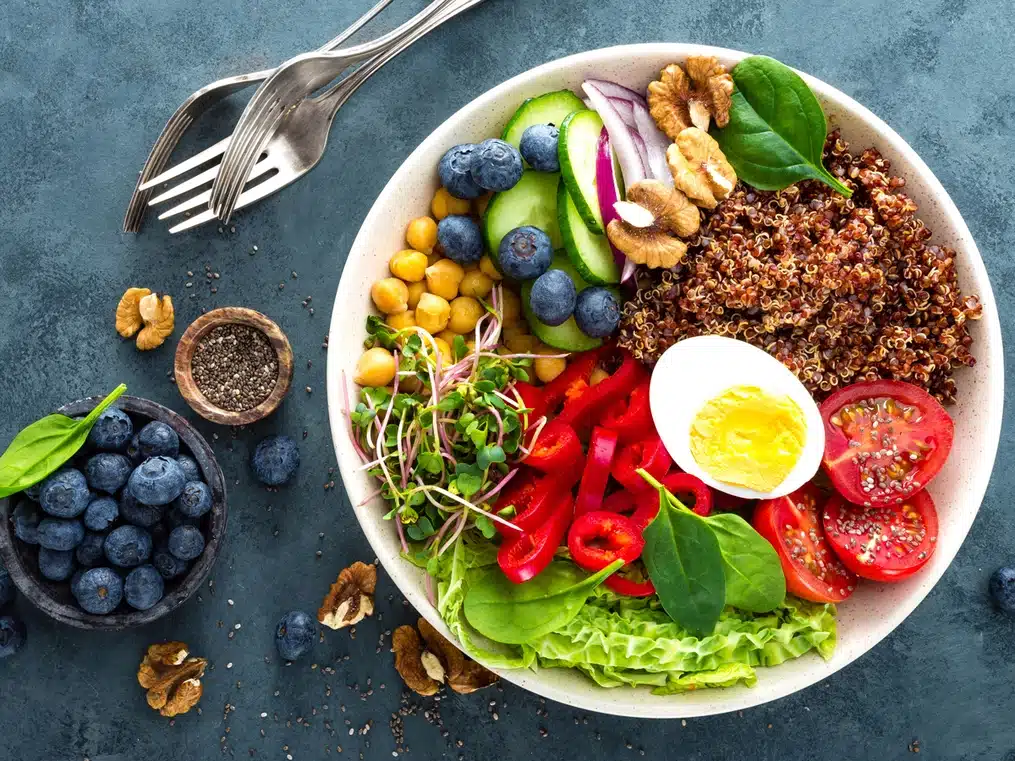
Incorporating walnuts into a balanced diet is both simple and beneficial. As versatile as they are nutritious, walnuts can be added to various meals and snacks. They can be sprinkled on salads, blended into smoothies, or used as a crunchy topping for yogurts and oatmeal. This ease of inclusion makes it convenient to reap the health benefits of walnuts daily. When adding walnuts to your diet, it’s important to consider their caloric density. While highly nutritious, they are also high in calories, so portion control is key to enjoying their benefits without overindulging.
Balancing nut intake is crucial in a healthy diet. While walnuts are incredibly beneficial, consuming a variety of nuts ensures a broader range of nutrients. Each type of nut has its unique composition of vitamins, minerals, and other beneficial compounds. For instance, almonds are high in Vitamin E, while cashews offer a good source of magnesium. By including a variety of nuts in your diet, you can enjoy the diverse health benefits they offer. With their distinctive nutritional profile, walnuts should undoubtedly be a part of this mix, contributing to a well-rounded, nutrient-rich diet.
Make Walnuts Your Go-To Superfood
In light of the numerous benefits walnuts offer, incorporating them into your daily diet is a wise and delicious choice. These nutrient-rich nuts not only enhance your health but also contribute to a more balanced and wholesome lifestyle. Whether it’s for better heart health, cognitive function, or one of the many other benefits, walnuts are a simple yet effective addition. Start exploring creative ways to include walnuts in your meals and snacks. Let this be your first step towards embracing a more natural, health-oriented approach to eating, with walnuts leading the charge.