Almond Milk
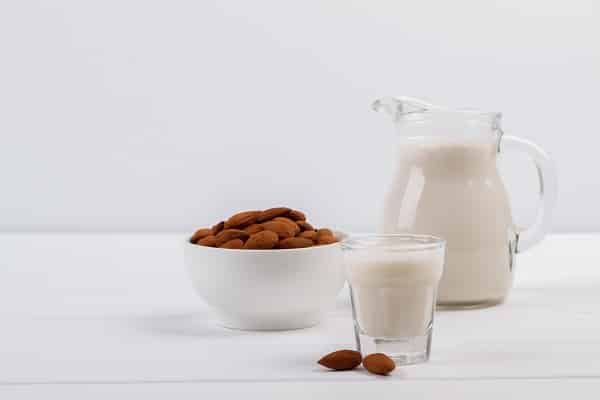
This plant-based milk is rich in vitamin E and is a good antioxidant. If you include almond milk in your diet, it is not only the best alternative to dairy but helps your body fight diseases like strokes, heart problems, and cancer also. It contains phosphorus, calcium, magnesium, copper, iron, and manganese. You can use it in your pancakes, cereals, ice-cream, coffee, and smoothies.
Rice Milk
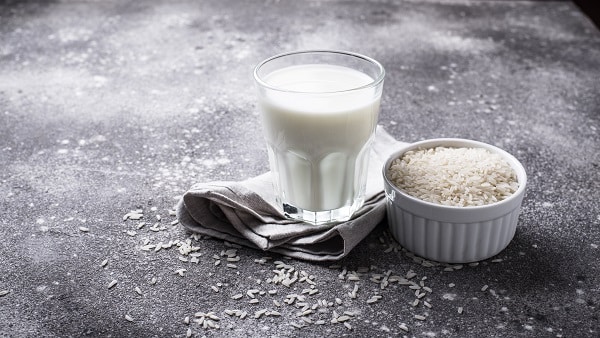
Rice milk is naturally sweeter than other dairy substitutes. It is a less common allergen and a good source of vitamin A, vitamin D, and calcium. It is made from water and milled rice, making it a perfect alternative for people with allergies to lactose, nuts, or soybeans. This milk alternative improves kidney function and bone strength.
Coconut Milk
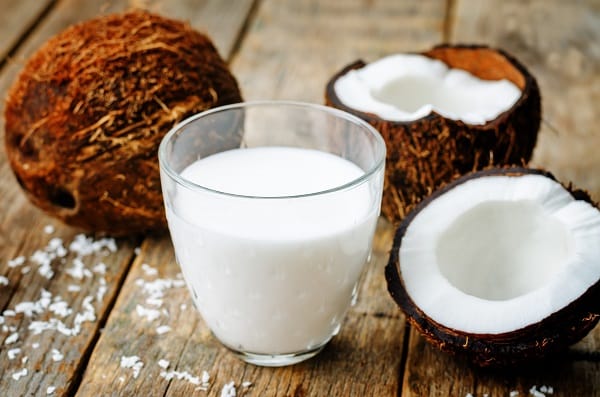
This plant-based milk is high in vitamin C and copper to provide flexibility and elasticity to your skin. It also helps in reducing wrinkles, sagging, and spots from your skin. It has a rich, creamy texture with a natural sweetness, and its consumption protects the body from infections. It is also very beneficial for your hair and overall health.
Oat Milk
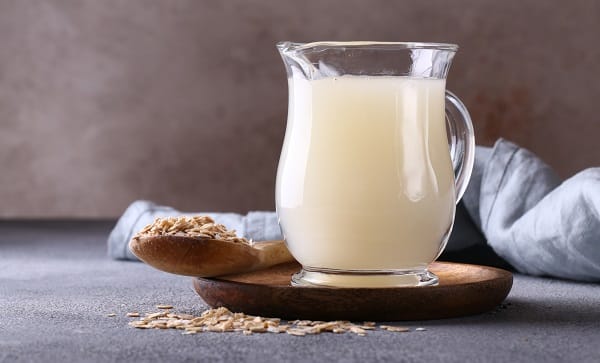
This is a plant-milk derived from oat grains. Oat milk is manufactured in many flavors like vanilla or chocolate. It contains vitamin A and D, calcium, potassium fiber, iron, and riboflavin. It is good for your stomach and prevents bloating or inflammation. A common and popular brand is Oatly.
Skim Milk
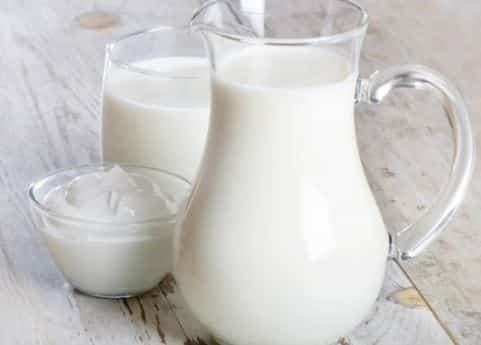
The market is full of milk varieties like toned, double toned, and skimmed. The most favorite among these is the fat-free milk/skim milk. It is fat-free, so it’s ideal for calorie-conscious people, and it reduces your cholesterol levels without side effects. It’s lighter, thinner, and less creamy in its consistency. This dairy product is a high calcium food that helps with weight loss.
Soy Milk
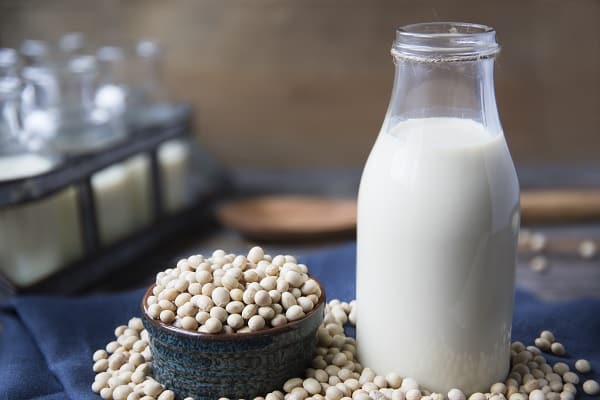
There is evidence that proves replacing carbohydrates with proteins from soy milk and low-fat dairy can help in reducing blood pressure. This product has nutrients that help lower down your b/p. It has bioactive peptides, calcium, potassium, and magnesium to control your b/p.
Conclusion
Therefore, if you are allergic to dairy products, you’re in luck because there are many alternatives to dairy. You can incorporate the above-mentioned items in your daily diet with the consent of a dietician or a doctor to enjoy all the health benefits without negative effects and keep your body healthy. Eliminating dairy from your diet does not mean that you are not eating healthy, but instead, for calorie-conscious and lactose intolerant allergies, dairy alternatives play a very important role. Switching to non-dairy products is one of the best ways to stay healthy.