Sudden weight gain often catches individuals by surprise, significantly affecting their health and self-esteem. This article explores the seemingly innocuous habits that could be culprits behind unexpected increases in weight. Individuals can take proactive steps toward maintaining a healthy weight and enhancing their overall well-being by identifying and modifying these behaviors.
Excessive Snacking

Frequent snacking, especially on unhealthy options, is a primary driver of sudden weight gain. High-calorie snacks that offer little nutritional value can quickly lead to a surplus in daily calorie intake. This habit contributes to weight gain and disrupts insulin levels and hunger regulation. In contrast, choosing nutritious snacks like fruits, vegetables, and proteins can help stabilize blood sugar and provide lasting energy, supporting weight management efforts.
Despite the allure of quick and easy snack foods, these options often lead to longer-term consequences such as increased body fat and decreased health. Individuals looking to maintain a healthy weight should plan their snacks as meticulously as their meals, focusing on portion control and nutritional content. This strategic approach to snacking can curtail overeating and help keep those sneaky extra pounds at bay.
Skipping Meals

Skipping meals might seem like a quick way to cut calories, but it often backfires, leading to weight gain. When meals are skipped, the body’s metabolic rate slows down to conserve energy, reducing calorie burn. This survival mechanism can hinder weight loss efforts and promote fat storage, especially when normal eating resumes.
Moreover, individuals who skip meals tend to experience increased hunger and cravings, making them more likely to overeat during their next meal. The tendency to choose quick, high-calorie foods when extremely hungry further exacerbates weight gain. Regular, balanced meals can help maintain a steady metabolism and reduce the temptation to indulge in unhealthy foods, supporting a stable weight.
Relying on Processed Foods
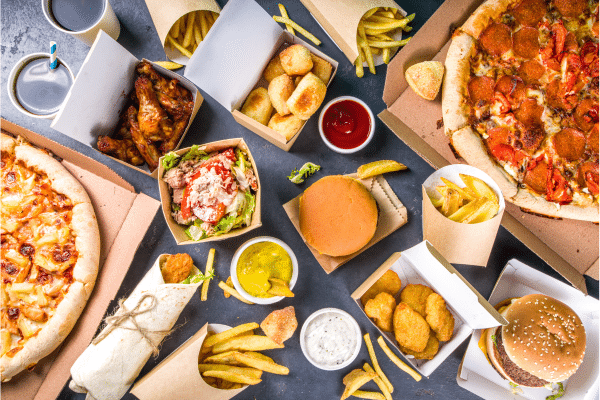
Processed foods are engineered for convenience and taste, often packing hidden sugars, fats, and excessive calories that contribute to weight gain. These foods typically offer little satiety, which can lead to a cycle of continuous eating without feeling full. The low nutritional value and high-calorie content of processed foods make them detrimental to weight management.
Encouraging individuals to read labels and choose whole, unprocessed foods can dramatically impact their health and waistline. Whole foods provide essential nutrients that the body needs to function optimally, promote greater satiety, and help regulate body weight. By reducing the intake of processed foods, individuals can avoid unnecessary calories and support their body’s natural weight management mechanisms.
Inadequate Hydration

Often overlooked, hydration plays a crucial role in managing weight. Dehydration can mimic feelings of hunger, leading individuals to eat when they are actually thirsty. This misunderstanding can contribute to increased calorie intake and weight gain. Drinking adequate water helps maintain essential bodily functions and can assist in appetite control.
Proper hydration supports digestion and can boost metabolism, potentially leading to better weight management. Encouraging individuals to drink water regularly throughout the day can prevent dehydration-related hunger cues and promote better health. Replacing high-calorie drinks with water or other low-calorie options is a simple yet effective strategy to reduce overall calorie intake.