Not Getting Enough Sleep

The correlation between insufficient sleep and weight gain is more significant than many realize. Sleep deprivation disrupts the balance of hunger-regulating hormones like ghrelin and leptin, which control appetite and satiety. When these hormones are out of balance, the propensity to overeat increases, often leading to weight gain. Additionally, tired individuals are more likely to crave high-calorie, carbohydrate-rich foods that provide a quick energy boost, further contributing to unwanted pounds.
Furthermore, lack of sleep can decrease one’s motivation to exercise and stay active, compounding the problem of weight gain. Establishing a consistent sleep schedule that includes 7-9 hours of quality sleep per night can significantly help in maintaining a healthy weight. Sleep helps regulate appetite and enhances metabolism and overall health, making it a crucial component of weight management.
Ignoring Portion Sizes

Ignoring portion sizes is a common mistake that leads to accidental calorie overconsumption. Many individuals are unaware of what constitutes a serving size, leading them to eat much more than they intend. For example, a portion of cooked pasta should be about the size of a tennis ball, but many people routinely serve themselves double or triple that amount. This habit can easily double or triple calorie intake without adding nutritional value.
Individuals can use smaller plates, measure serving sizes with measuring cups, or compare food portions to everyday objects to combat this. Another effective strategy is to fill half the plate with vegetables, a quarter with lean protein, and the remainder with whole grains. By being mindful of portion sizes, individuals can enjoy a variety of foods without overeating, helping to maintain a healthy weight.
Drinking High-Calorie Beverages
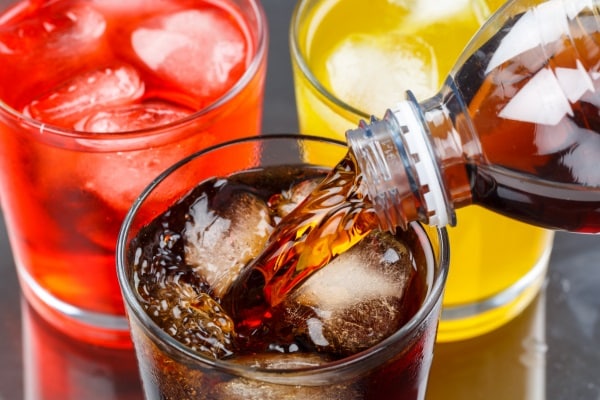
Drinking high-calorie beverages is an often overlooked habit that can contribute significantly to sudden weight gain. Sugary drinks, such as sodas, fruit juices, and specialty coffees, are loaded with calories and offer little nutritional benefit. Similarly, alcoholic drinks can also be very high in calories and lower inhibitions, which may lead to poor food choices. These beverages can quickly increase daily caloric intake without providing the satiety that solid foods offer.
Switching to low-calorie or calorie-free beverages can make a significant difference in managing weight. Water, herbal teas, and black coffee are excellent choices that can help reduce overall calorie intake. Additionally, focusing on hydration with water can improve overall health and assist in weight management by reducing false hunger signals.
Transform Your Tomorrow!
The journey to preventing sudden weight gain is ongoing and requires a conscious effort to change detrimental habits. Individuals can take significant strides towards better health and a stable weight by understanding and adjusting the behaviors discussed—like snacking wisely, eating regular meals, choosing whole foods, staying hydrated, sleeping well, managing portion sizes, and avoiding high-calorie drinks. Embracing these changes contributes to weight loss and enhances overall well-being. Starting small, seeking support, and being consistent is key to making sustainable lifestyle adjustments that pave the way to a healthier tomorrow.