Losing fat after age 40 often feels unfair. The same routines that once worked suddenly stall, motivation drops faster, and the body seems to fight back. This frustration usually leads to cutting calories harder or exercising longer, which only makes the problem worse. Fat loss at this stage of life is less about effort and more about avoiding common mistakes that quietly block progress. Once these issues are corrected, results tend to return in a more sustainable and predictable way.
Focusing Only on the Scale
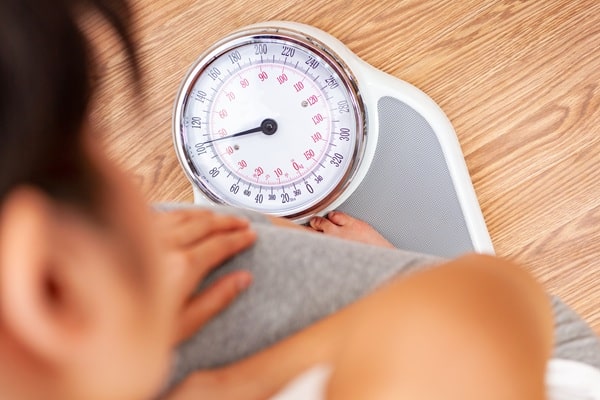
One of the biggest mistakes after 40 is relying entirely on the scale to judge progress. Body weight can fluctuate daily due to water retention, digestion, sodium intake, and muscle soreness. These fluctuations become more noticeable with age, making the scale an unreliable indicator of real fat loss. When the number does not move, frustration sets in and people often respond by eating less or training harder than necessary.
A better approach is focusing on body composition rather than scale weight alone. Waist measurements, how clothes fit, progress photos, and strength improvements offer clearer feedback. Fat loss can happen even when body weight stays the same, especially when muscle is being preserved. Paying attention to trends over weeks instead of days keeps motivation stable and prevents overcorrection.
Eating Too Little Protein
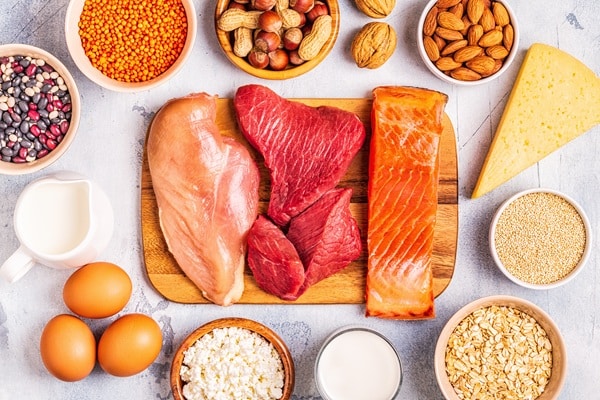
Protein intake becomes more important after 40, yet it is often unintentionally reduced during dieting. Skipping meals, relying on small snacks, or eating light breakfasts leads to lower protein intake overall. This increases hunger, reduces muscle retention, and creates a softer appearance even if weight decreases. Low protein intake also makes it harder to stay full, leading to cravings later in the day.
Building meals around protein helps solve several problems at once. Including a solid protein source at breakfast, lunch, and dinner supports muscle maintenance and keeps appetite under control. Simple options like eggs, yogurt, fish, poultry, beans, or tofu work well. Spreading protein evenly throughout the day improves satisfaction and makes calorie control feel less restrictive.