Physical Health Risks

While fitness apps are designed to enhance physical health, an obsession with the numerical data they provide can lead to significant physical health risks. Overexercising is a primary concern, as users might push their bodies beyond healthy limits to achieve certain app targets, like a specific number of steps or calories burned. This overexertion can lead to injuries, chronic fatigue, and other health issues. Additionally, there is the risk of ignoring the body’s natural signals. Relying solely on app data might cause users to overlook important cues such as pain, discomfort, or the need for rest, potentially leading to serious health complications.
Another critical concern is the development of unhealthy eating habits, especially with apps that focus on calorie counting and diet tracking. Users might become overly restrictive with their diets, aiming to meet specific caloric goals, which can lead to nutritional deficiencies and eating disorders. The emphasis on numbers can overshadow the importance of a balanced diet, leading to an unhealthy relationship with food. Health professionals emphasize the need for a holistic approach to fitness and nutrition, where the focus is on overall health and well-being rather than just meeting numerical targets set by an app.
Balance and Moderation

Achieving a balance in the use of fitness apps is crucial for maintaining both mental and physical health. It involves recognizing the benefits of these apps while being mindful of their potential pitfalls. Users are encouraged to use fitness apps as tools for guidance and motivation rather than as definitive arbiters of their health and fitness. This means setting realistic goals, understanding the limitations of these apps, and not allowing the data to dominate one’s fitness journey or self-perception. Listening to one’s body and respecting its limits is as important as tracking fitness metrics. It’s essential to acknowledge that not every day will be optimal in terms of performance, and that’s perfectly okay.
Incorporating advice from fitness and mental health professionals can provide valuable insights into using these apps effectively and healthily. Experts often suggest integrating other forms of health monitoring, such as mindfulness practices and intuitive exercising, which focus on how one feels rather than what the numbers say. They also recommend regular breaks from these apps to prevent an over-reliance on them. By fostering a balanced approach and prioritizing overall well-being over numerical achievements, individuals can enjoy the benefits of fitness apps without falling into the trap of obsession.
Alternatives to Fitness Apps
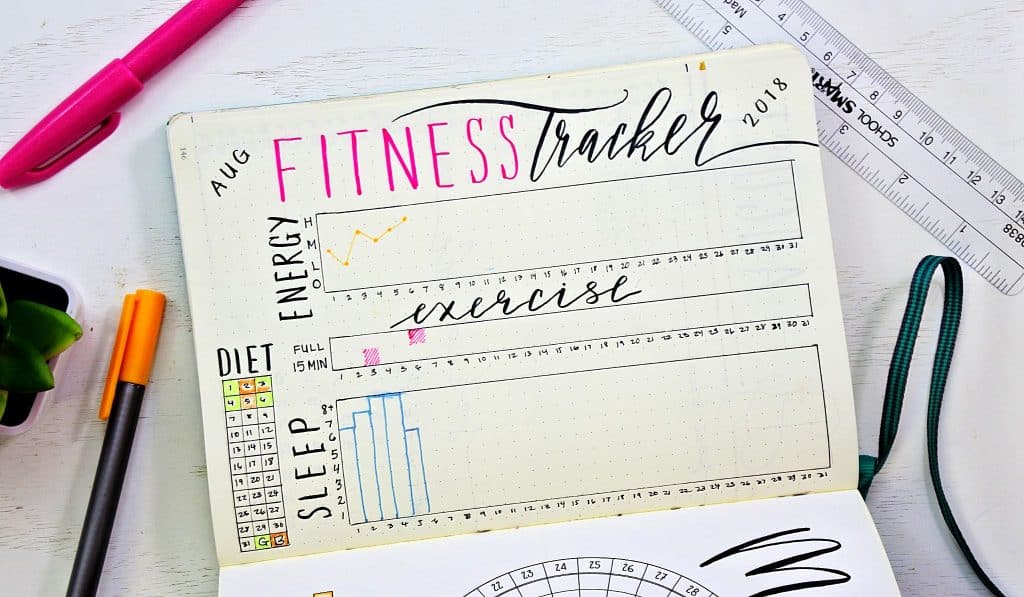
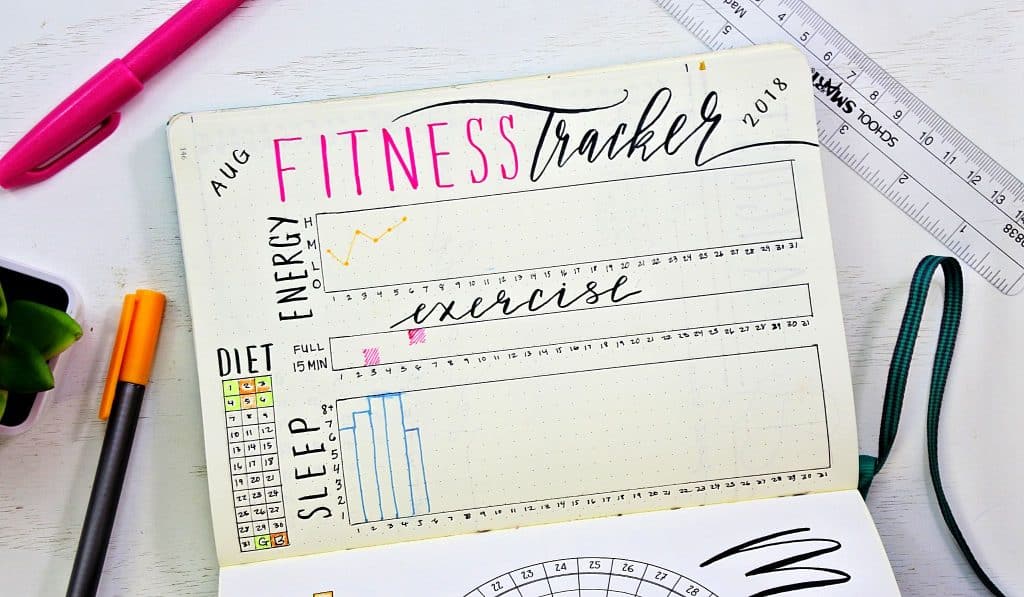
Exploring alternatives to fitness apps is essential for those seeking a less numbers-focused approach to health and wellness. Traditional methods, such as keeping a fitness journal, can offer a more personalized and reflective way to track progress, allowing for a deeper understanding of one’s fitness journey without the constant bombardment of digital data. Personal trainers or group fitness classes provide tailored guidance and real-world social interactions, which can be more motivating and less isolating than digital platforms. Additionally, these methods often encourage a more intuitive approach to fitness, focusing on how the body feels and responds to exercise rather than strict adherence to numerical targets.
The concept of mindfulness in exercise is gaining traction as an effective alternative to fitness apps. This approach emphasizes being present and fully engaged in physical activity, listening to the body’s cues, and exercising for the sake of well-being rather than for the sake of meeting digital targets. Holistic health practices, such as yoga or pilates, which integrate mental and physical health, are also excellent alternatives. These practices encourage a balanced lifestyle, where fitness is just one aspect of overall health, including mental, emotional, and spiritual well-being. Embracing these alternatives can lead to a healthier relationship with fitness, free from the constraints of numerical obsession.
The Future of Fitness Apps
The future of fitness apps looks set to address the current concerns regarding an overemphasis on numerical data. Technological advancements may lead to more sophisticated algorithms that focus on holistic health indicators rather than just quantifiable metrics. These future apps could incorporate features that promote mental well-being, mindfulness, and a more intuitive approach to physical health. Developers are likely to become more aware of the psychological impacts of their platforms, potentially leading to a new generation of fitness apps that balance quantitative data with qualitative well-being.
There’s also a growing awareness among users about the potential drawbacks of over-reliance on fitness apps. This awareness could drive a change in user behavior, with a shift towards a more balanced approach to health and fitness. App developers play a crucial role in this evolution, and their responsibility extends beyond just providing data. They need to create platforms that encourage users to maintain a healthy relationship with their physical and mental health. The future could see a more informed and balanced use of technology in fitness, where apps support rather than dominate the user’s health journey.
Reflecting on the Role of Fitness Apps in Our Lives
While fitness apps have revolutionized the way we approach health and wellness, it’s vital to be mindful of their potential to foster an obsession with numbers. This blog post has explored the various dimensions of this phenomenon, highlighting both the benefits and drawbacks of these digital tools. The key lies in striking a balance—using these apps as aids in our fitness journey without letting numerical metrics dictate our self-worth or well-being. As we move forward, it’s essential to remember that true health encompasses physical, mental, and emotional balance, a goal that extends beyond what any app can quantify.