Eat Slower

We often consume extra calories when we are eating quickly as it takes time for the signals from the stomach to reach the brain that we are full. It is recommended to stretch a meal to 20 minutes as it takes the hunger hormones this long to convey the message between themselves and then to the brain.
Start Your Meal With A Small Salad
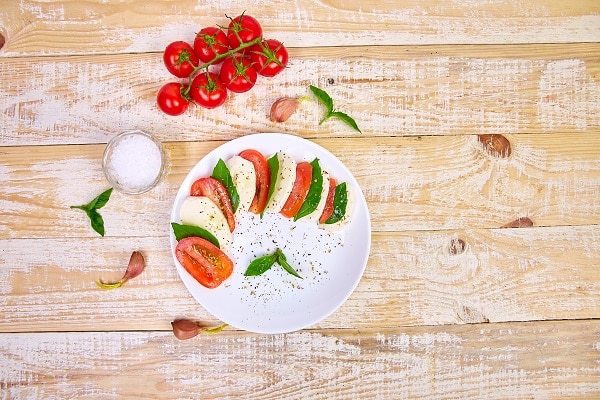
Eating a salad before your meal makes you feel fuller and reduces the total calorie intake, which will also reduce the after-meal snacking. A high-volume salad with low calories is full-filling and is very healthy. This also helps control blood glucose levels. Try eating a salad before your meal next time.
Get Some Shuteye
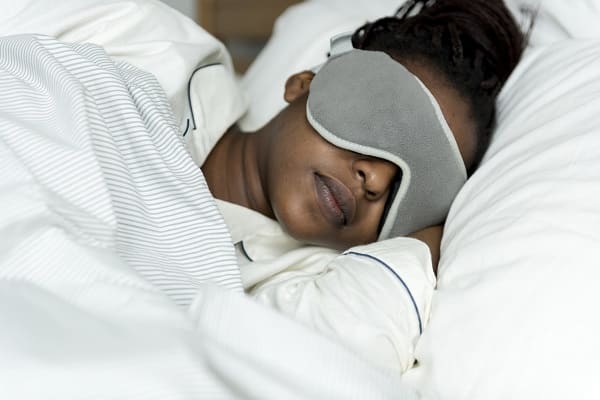
Dieting and feeling full is more than just what you eat and do not eat. It is also about taking care of your body. Getting quality sleep is a major factor. Lack of proper sleep leads to the irregular secretion of hunger hormones. The hunger hormone ghrelin, increases and the satiety hormone, leptin, decreases when you do not get enough sleep. Sleep deprivation also increases the level of a chemical called endocannabinoids, which causes you to indulge in eating anything sweet, salty, or fatty even when you are not hungry.
To avoid all this, you should get six to eight hours of uninterrupted sleep at night. Having a consistent sleep schedule reduces night-time snacking.
Stick To Solids

Everyone likes smoothies and juices, especially when on a diet. Still, nothing can replace a solid diet because your body can’t register the liquid calories the same way it registers the solid calories. A liquid diet is also way less satisfying and provides less energy than a solid diet—the very physical act of chewing leads to physiological satiety. Also, as solid food takes more time to digest than liquid food, it stays in the stomach for longer and makes one feel fuller.
Do not completely rely on a liquid diet. It’s okay to enjoy an occasional smoothie, but a solid diet is a must.
Toss The Junk Food
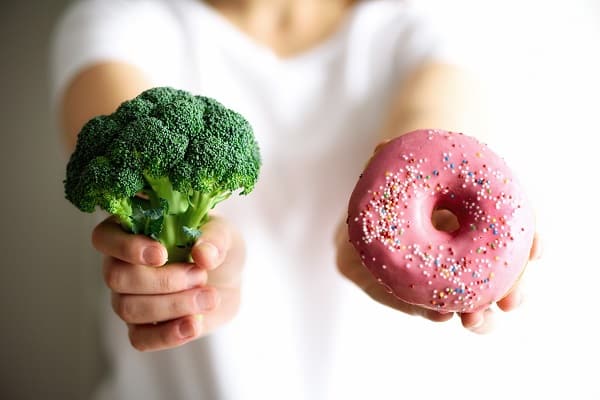
This may be a no-brainer for weight loss but knowing the science behind junk food is important. Junk food is chemically engineered to trick our brains that we are still hungry, leading to almost never-ending snacking. They are calorically dense but lack the actual nutrients. Hence, we keep eating non-stop, and our brain eventually gets the message we are full.
Say “No” To Fat-Free
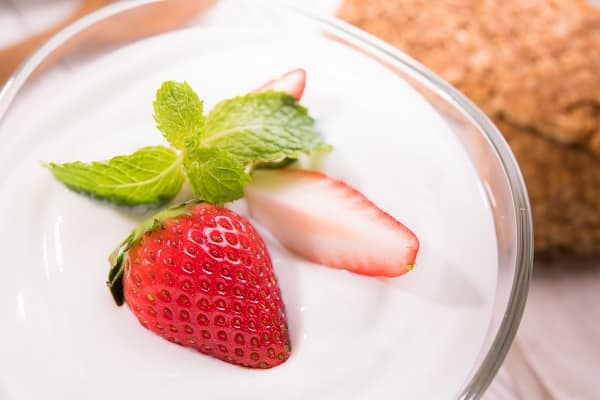
More than often, the fat-free yogurt backfires when trying to lose weight. Fat takes time to digest, making you feel full for longer. Also, as fat already provides flavor, the fat-free or low-fat food is loaded with taste-boasting sugar and salt, which leads to more than necessary eating.
Stock Up On Artichokes

If you want to feel full on just a few calories, eating fiber-rich food is the best way. Such food adds bulk to your meal, which gives physiological satiety such as chewing. Fiber-rich food takes time to digest, making you feel fuller for a longer time.
Artichokes are one of the best high-fiber foods. Just a single, medium artichoke can serve 40 percent of your daily required fiber intake. Along with this, artichoke is one of the foods with the highest soluble fibers. It also controls the ghrelin and leptin levels in the body.
Trail Mix
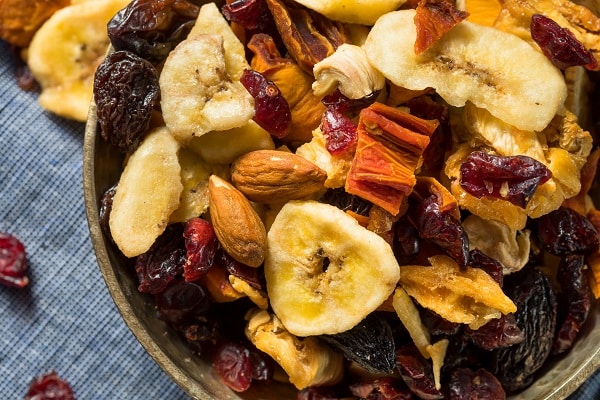
Trail mix is delicious, easy to carry anywhere, and extremely healthy. Furthermore, it is full of the satiating trio: protein, fiber, and healthy fats. Timely snacking on trail mix can keep your appetite in check and reduce binging during meals. It will also keep your blood sugar levels stable throughout the day.
Oatmeal
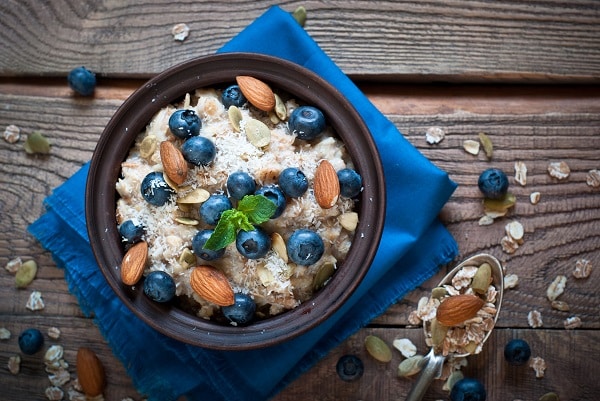
Instead of eating cold and sugary cereal for breakfast, try eating oatmeal. It can be cooked with various garnishes and is very fulfilling. The Beta-glucan fiber, soluble fiber, in oats makes you feel full and reduces the hunger pangs. These soluble fibers take time to digest, giving you the long-lasting feeling of satiety.
Conclusion
These tips are easy and undemanding. Now weight loss does not have to be an uncomfortable experience anymore. Use these tips in your everyday life to avoid hunger pangs, overeating, and have an enjoyable weight loss experience.