Companions on your weight loss journey. Despite their limitations and potential privacy concerns, with the right understanding and approach, you can truly harness their power for your benefit. Fitness trackers have become ubiquitous in recent years, revolutionizing how individuals approach their health and fitness goals. This surge in popularity is no mere trend; these handy devices provide real-time data and feedback, acting as a digital companion on your weight loss journey. This post will delve into the different facets of using a fitness tracker effectively for weight loss, from choosing the right one to making the best use of its features. Let’s explore how to make the most of your digital weight loss buddy.
The Power Of Fitness Trackers

Fitness trackers offer more than just a step count; they are multi-functional devices that monitor various vital signs and activities. They track everything from heart rate and sleep patterns to caloric burn and distance traveled. By providing a holistic view of your health, these devices enable you to have more control over your fitness journey.
These tiny gadgets have significantly transformed the process of losing weight. With a fitness tracker, every step, every calorie, and every beat counts. It’s not just about tracking; it’s about understanding your body’s needs and adjusting your lifestyle accordingly. This continuous feedback can keep you motivated, aid in setting realistic goals, and monitor your progress, making the daunting task of weight loss more manageable.
Choosing The Right Fitness Tracker
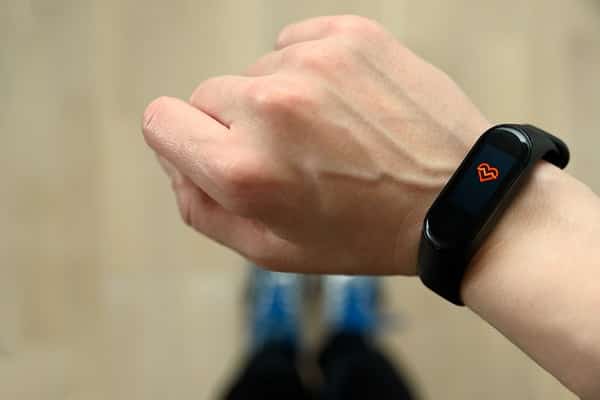
When it comes to selecting the right fitness tracker, one size does not fit all. Different models come with various features, and choosing the right one depends largely on your specific needs and goals. Some trackers focus on basic functionalities like step counting and sleep tracking, while others offer more advanced features like GPS tracking and detailed heart rate monitoring.
It’s not only about the features; the design and comfort of the tracker are also crucial. For instance, if you’re into swimming, a waterproof model would be a sensible choice. If you’re keen on monitoring your heart health, a tracker with continuous heart rate tracking would be beneficial. The key is to prioritize your needs, consider your budget, and select a tracker that aligns with your lifestyle and fitness goals.
Setting Up Your Fitness Tracker For Weight Loss
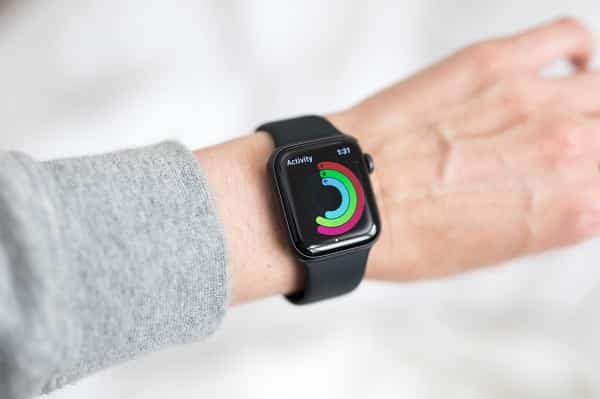
A fitness tracker is only as useful as its settings. After purchasing your tracker, spend time personalizing it to match your weight loss goals. Set up daily step goals that challenge you but are still achievable. Most trackers recommend a target of 10,000 steps a day, but it’s essential to adjust this number based on your fitness level and comfort.
Another critical feature is sleep tracking. Adequate sleep is vital for weight loss, and tracking your sleep patterns can provide insights into your sleep quality and duration. Setting up heart rate zones is another essential step. These zones can help you understand the intensity of your workouts and whether you’re pushing yourself too hard or not enough. By customizing these settings, you can create a personalized plan that caters to your unique weight loss needs.
Understanding Your Fitness Tracker Data

A fitness tracker generates a wealth of data, but understanding what these numbers mean is crucial for successful weight loss. Metrics such as steps taken, calories burned, heart rate, and sleep hours all provide valuable insights into your health and fitness. But it’s not just about the raw data; trends over time can offer a more holistic view of your progress and guide your future actions.
The consistency of tracking and analyzing your data is equally essential. Regular tracking can help you identify patterns, understand your habits, and adjust your lifestyle accordingly. For instance, if you notice a dip in your step count during weekends, you might want to include more activities on those days. Or, if your sleep data indicates poor sleep quality, you could try adjusting your sleep environment or habits.