Hidden Calories Sabotaging Your Diet Today
Understanding the unexpected calorie sources that may be undermining your weight loss efforts despite careful eating habits.
Many individuals who commit to weight loss programs find themselves frustrated when the scale refuses to budge despite their dedicated efforts. The culprit often lies in hidden calories sabotaging your diet—those sneaky energy sources that slip past your awareness while accumulating throughout the day. According to nutrition research from academic institutions and food regulatory bodies, the average person significantly underestimates their daily caloric intake, sometimes by hundreds of calories. These invisible additions come from sources that appear harmless or are marketed as healthy, yet they contribute substantial energy that the body stores when not burned through activity. Understanding where these stealth calories hide represents a crucial step toward achieving sustainable weight management and making informed dietary choices.
Beverages That Add Up Without Filling You Up
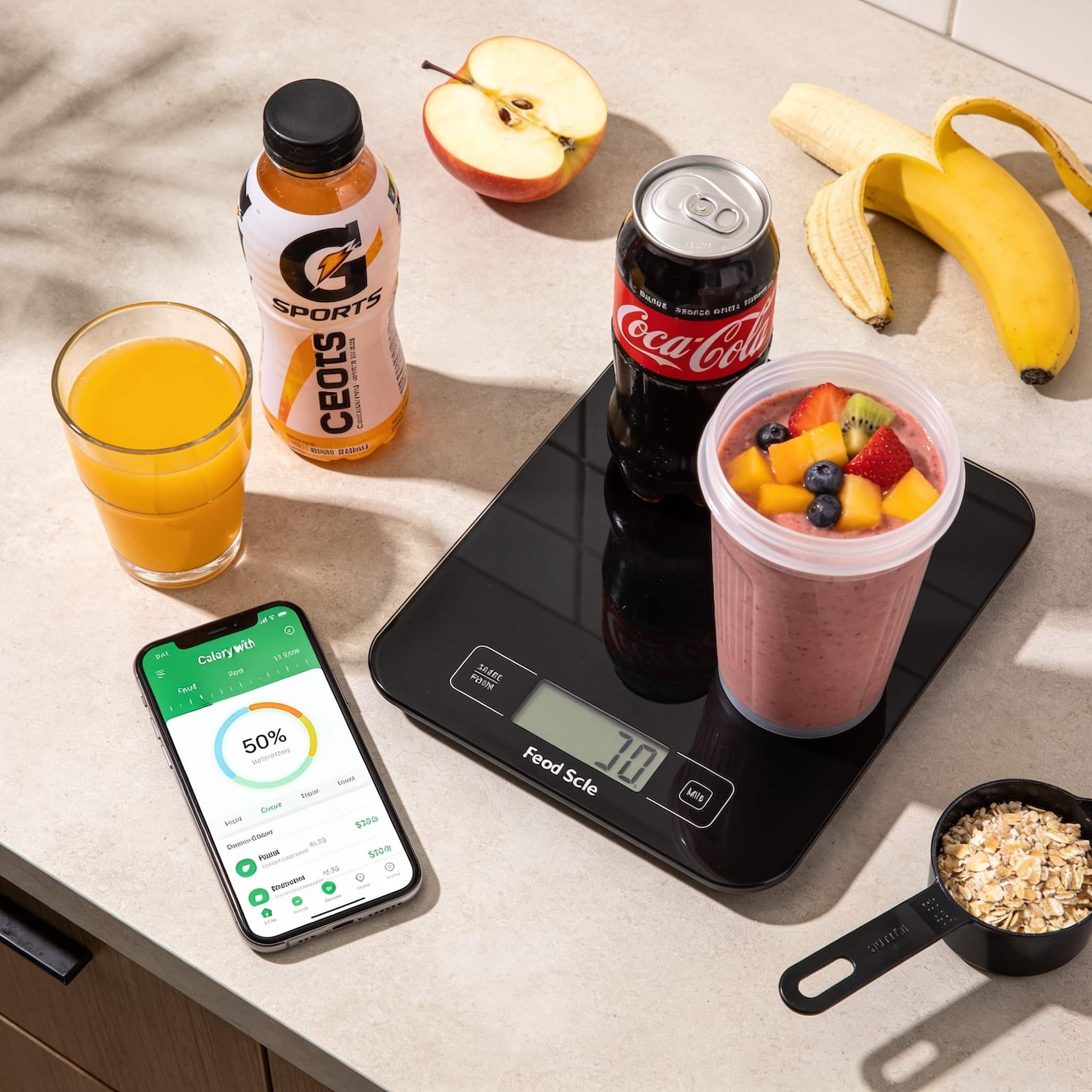
Liquid calories represent one of the most significant sources of untracked energy in modern diets. The United States Department of Agriculture food composition databases indicate that a standard 16-ounce specialty coffee drink can contain between 250 and 500 calories, depending on added syrups, milk type, and whipped cream toppings. Unlike solid foods, these beverages bypass many of the satiety mechanisms that signal fullness to the brain, meaning people consume them without reducing their food intake accordingly. Research published in peer-reviewed nutrition journals has consistently demonstrated that calories consumed in liquid form have less impact on feelings of satiety compared to the same calories eaten as solid food.
Fruit juices, often perceived as wholesome choices, can contain caloric loads comparable to soft drinks. An eight-ounce glass of orange juice contains approximately 110 calories and 21 grams of sugar according to USDA nutritional data. While juice does provide vitamins, it lacks the fiber present in whole fruit that slows digestion and promotes fullness. Alcoholic beverages compound this issue further, with a single glass of wine containing around 120 to 150 calories and mixed cocktails ranging from 200 to over 500 calories depending on ingredients and serving size.
Small Additions With Major Caloric Impact
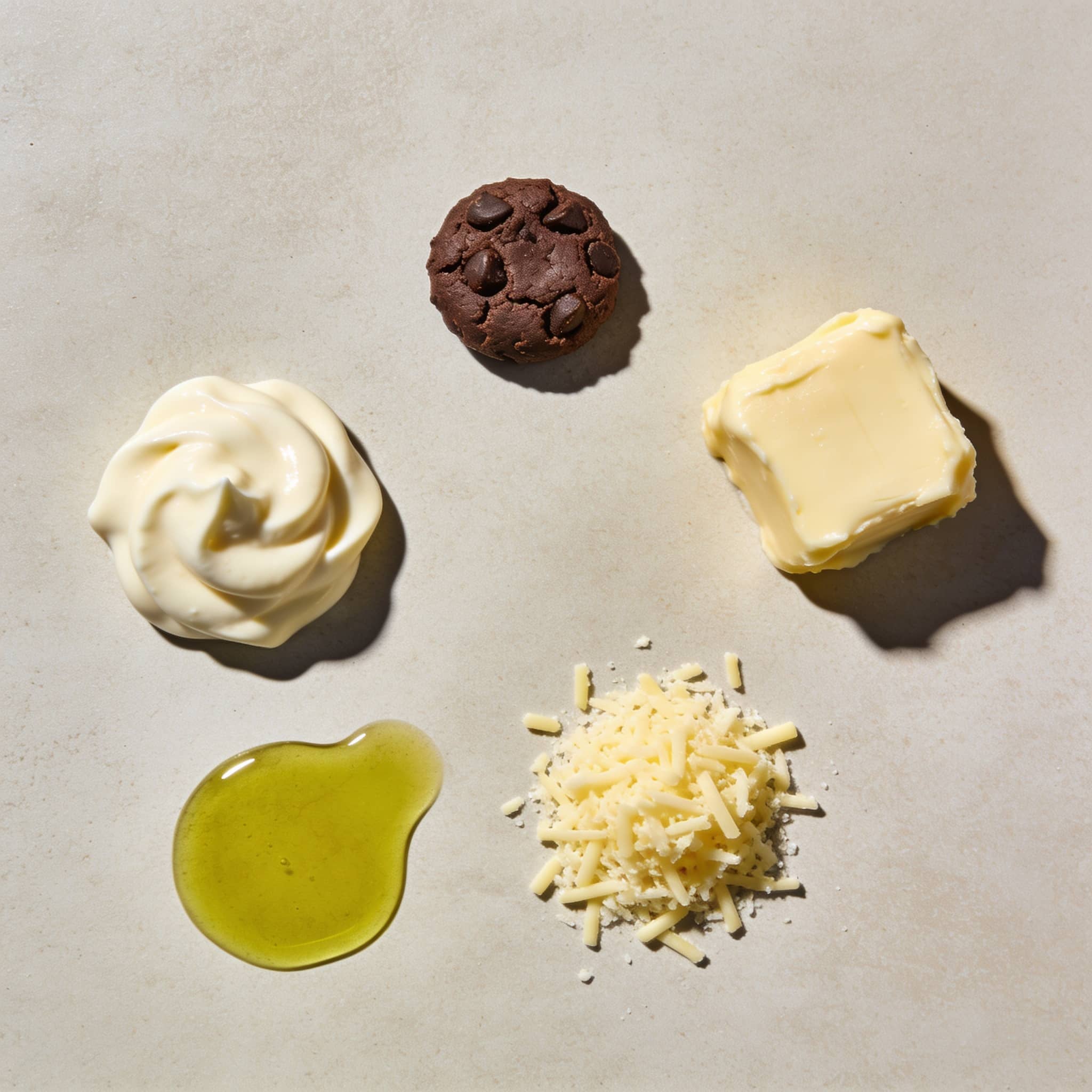
Condiments and toppings frequently escape dietary accounting despite their concentrated caloric density. Mayonnaise contains approximately 94 calories per tablespoon according to USDA food composition data, and most people use considerably more than a single tablespoon when preparing sandwiches or salads. Ranch dressing adds roughly 73 calories per tablespoon, and generous salad coverage can easily incorporate four to six tablespoons, transforming a low-calorie vegetable dish into a 400-calorie meal. Olive oil, while containing beneficial monounsaturated fats, delivers 119 calories per tablespoon, and cooking methods that involve liberal oil use can add hundreds of calories to otherwise lean dishes.
The perception of healthiness surrounding certain toppings leads many dieters astray. Granola, marketed as a nutritious breakfast option, typically contains 200 to 300 calories per half-cup serving due to added sugars and oils. Dried fruits, another seemingly virtuous choice, pack concentrated sugar and calories—a quarter cup of raisins contains about 108 calories. Nuts and seeds, while nutritionally valuable, are calorically dense, with almonds providing approximately 164 calories per ounce, roughly equivalent to 23 nuts.
The USDA classifies foods by caloric density, measured as calories per gram. Oils and fats top this scale at approximately 9 calories per gram, more than double the density of proteins and carbohydrates at roughly 4 calories per gram. This explains why small volumes of fatty condiments and toppings contribute disproportionately to daily energy intake.
How Serving Size Misconceptions Inflate Intake
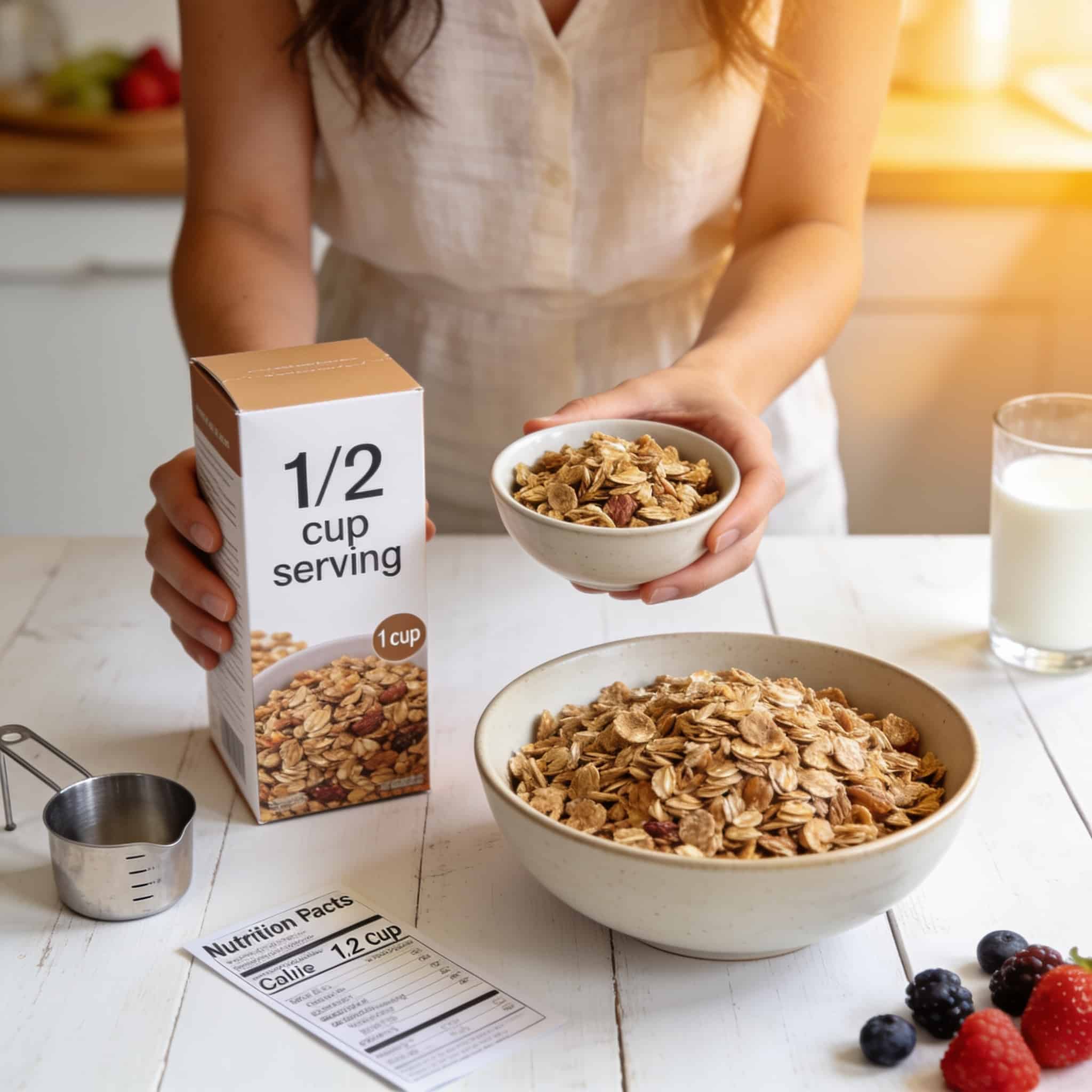
Portion sizes in restaurants and packaged foods have increased substantially over recent decades, fundamentally altering public perception of appropriate serving quantities. The National Heart, Lung, and Blood Institute has documented this phenomenon, noting that bagels have doubled in diameter since the 1980s, restaurant pasta servings now contain multiple USDA-defined portions, and muffins frequently exceed the size of those sold twenty years ago. When individuals estimate their food intake based on these inflated standards, they systematically undercount calories without realizing the discrepancy.
Packaged foods compound this confusion through serving size labeling that rarely corresponds to actual consumption patterns. A bottle of sweetened tea or juice may list nutritional information for an eight-ounce serving while containing 20 ounces in total, meaning the entire bottle delivers 2.5 times the calories shown prominently on the nutrition facts panel. Cereal boxes list servings of three-quarters to one cup, yet bowl sizes and pouring habits typically result in consumption of two to three servings at breakfast. Ice cream containers define servings as half-cup portions, considerably smaller than what most people scoop into a bowl.
Restaurant servings frequently exceed USDA standard portions by substantial multiples.
Average poured amounts typically exceed labeled serving sizes significantly.
Home cooks frequently use more oil than recipes specify without tracking it.
When Nutritious Choices Carry Hidden Energy
Foods marketed as healthy or diet-friendly sometimes contain caloric loads that surprise consumers who assume virtue permits unlimited consumption. Smoothie bowls, popularized by wellness culture, can contain 500 to 800 calories when topped with granola, coconut flakes, nut butters, and honey atop a fruit and yogurt base. Protein bars, positioned as fitness foods, often pack 250 to 400 calories along with added sugars that rival candy bars. Gluten-free products, necessary for those with celiac disease but chosen by others for perceived health benefits, frequently contain more calories and sugar than their conventional counterparts to compensate for texture and flavor differences.
The health halo effect, a term used in nutrition research, describes the tendency for people to underestimate calories in foods perceived as healthy. Studies conducted at university nutrition laboratories have demonstrated that individuals guess lower calorie counts for identical foods when presented with organic labels or health-related claims. This psychological phenomenon leads dieters to consume larger portions of foods they consider virtuous, inadvertently exceeding their caloric targets while believing they are making beneficial choices.
Nutrition professionals consistently recommend reading the full nutrition facts panel rather than relying on front-of-package health claims. The FDA requires standardized nutrition labeling that provides accurate calorie and nutrient information, while marketing claims on package fronts are subject to different, often less stringent, regulations.
Practical Approaches to Identifying Calorie Sources
Addressing hidden calories requires systematic attention to dietary intake without developing obsessive behaviors around food. Registered dietitians frequently recommend a period of detailed food logging, using kitchen scales and measuring cups to understand actual portion sizes compared to perceived ones. This educational process reveals patterns and problem areas specific to individual eating habits. Digital food tracking applications, when used with database entries that match consumed foods accurately, provide insight into caloric totals that mental estimation cannot achieve.
Beyond tracking, structural changes to eating environments support calorie awareness. Using smaller plates reduces portion sizes without requiring conscious restriction at each meal. Preparing dressings and sauces on the side allows controlled application rather than accepting restaurant or manufacturer default amounts. Choosing whole fruits over juices, water over sweetened beverages, and measured portions of calorically dense toppings creates sustainable habits that reduce hidden calorie intake without eliminating enjoyable foods entirely. These approaches align with evidence-based dietary guidance that emphasizes awareness and moderation over strict elimination.
Hidden calories accumulate from liquid beverages that bypass satiety signals, condiments and toppings with concentrated caloric density, portion sizes that exceed labeled servings, and health-marketed foods that contain substantial energy. Addressing these sources through measurement, label reading, and environmental modifications supports more accurate dietary management without requiring extreme restriction.
Building Awareness for Sustainable Weight Management
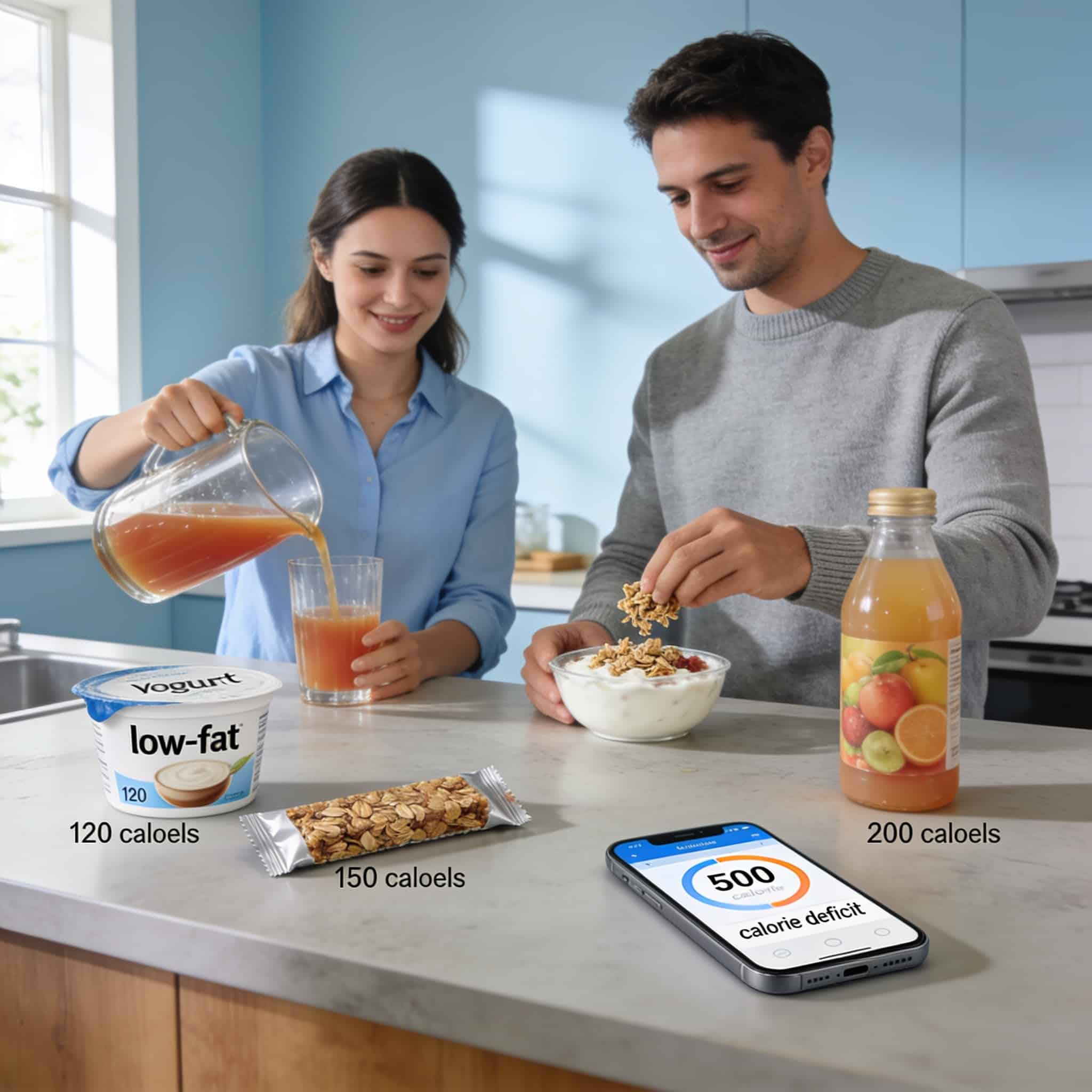
The path to effective weight management runs through understanding rather than deprivation, and recognizing hidden calorie sources represents an essential component of this knowledge. When individuals identify where untracked energy enters their diets—through beverages consumed without thought, generous condiment application, inflated portion assumptions, or health halo misconceptions—they gain the ability to make informed adjustments that align intake with their goals. This awareness-based approach, supported by accurate information about food composition and serving sizes, offers a more sustainable foundation for dietary success than strategies that ignore the subtle ways calories accumulate throughout each day.