What Actually Happens When You Detox
Understanding the science behind your body’s natural cleansing processes and what commercial detox programs really do.
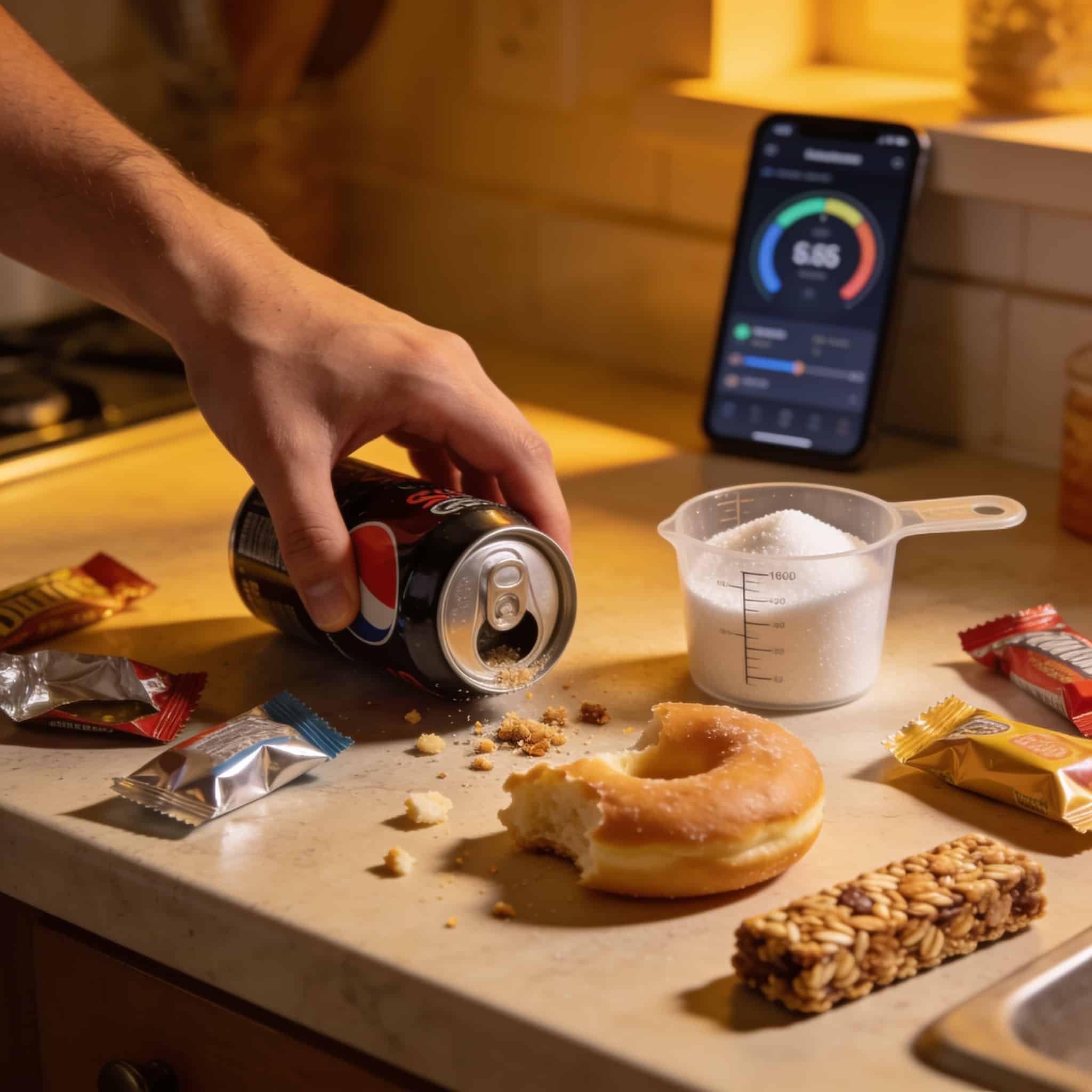
The word detox has become ubiquitous in health and wellness circles, appearing on juice bottles, supplement labels, and spa menus around the world. Yet despite its popularity, considerable confusion exists about what actually happens when you detox and whether commercial detox programs deliver on their promises. The human body possesses sophisticated internal systems dedicated to eliminating waste and potentially harmful substances, working continuously without the need for special teas, expensive supplements, or restrictive fasting protocols. Understanding these natural processes reveals both the remarkable efficiency of human physiology and the limitations of many marketed detox solutions.
Your Body’s Natural Detoxification Systems

The human body operates multiple detoxification pathways simultaneously, with the liver serving as the primary organ responsible for processing and neutralizing potentially harmful compounds. The liver performs over 500 distinct functions, including the conversion of toxins into water-soluble compounds that can be excreted through urine or bile. This occurs through two primary phases of detoxification, where enzymes first modify toxic substances and then attach them to other molecules for safe elimination.
Liver
Processes toxins through enzymatic reactions, converts harmful substances to water-soluble compounds for elimination
Kidneys
Filter approximately 120-150 quarts of blood daily, removing waste products through urine production
Lungs
Expel carbon dioxide and volatile compounds with each breath, contributing to waste elimination
Skin
Releases small amounts of toxins through perspiration, though less significant than internal organs
The kidneys filter blood continuously, removing metabolic waste products such as urea and creatinine while maintaining proper fluid and electrolyte balance. The lungs contribute by expelling carbon dioxide and certain volatile organic compounds with each exhalation. The lymphatic system, often overlooked in detox discussions, plays a crucial role in transporting waste products and immune cells throughout the body. These systems function around the clock without conscious intervention, representing millions of years of evolutionary refinement.
What Commercial Detox Programs Claim to Do

The commercial detox industry, which generates billions of dollars annually, promotes various products and protocols claiming to enhance the body’s natural cleansing abilities. These range from juice cleanses and herbal supplements to foot pads, colonics, and elaborate fasting regimens. Many products claim to remove accumulated toxins, heavy metals, or environmental pollutants that supposedly overwhelm natural detoxification capacity. Marketing materials frequently reference vague concepts of “toxin buildup” without specifying which substances are being targeted or how their removal is measured.
Important Context
Major medical organizations, including the British Dietetic Association and the American Association of Clinical Chemistry, have consistently stated that healthy individuals with functioning livers and kidneys do not require commercial detox products. The body’s natural systems handle routine toxin elimination without external assistance.
The Science Behind Liver Detoxification Phases
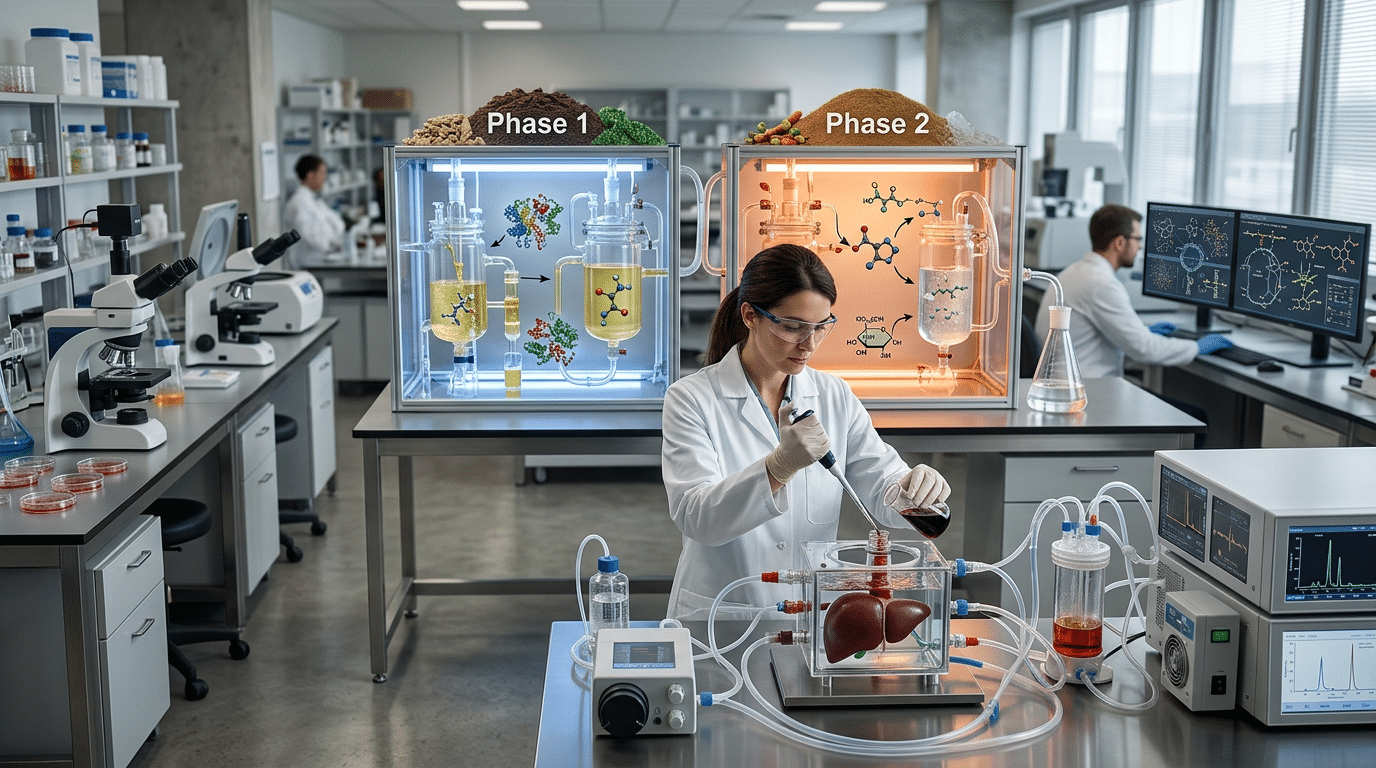
Hepatic detoxification occurs through two well-documented biochemical phases. Phase I involves cytochrome P450 enzymes that modify toxic compounds through oxidation, reduction, or hydrolysis reactions. These reactions can sometimes produce intermediate compounds that are temporarily more reactive than the original substances. Phase II conjugation then attaches these intermediates to molecules such as glutathione, glucuronic acid, or sulfate, rendering them water-soluble and ready for excretion through urine or bile.
Certain nutrients support these enzymatic processes. Cruciferous vegetables contain compounds that influence Phase I and Phase II enzyme activity. Adequate protein intake provides amino acids necessary for conjugation reactions. Antioxidants help neutralize free radicals generated during Phase I metabolism. However, these dietary components support normal function rather than dramatically accelerating it. The liver operates at a pace determined by enzyme availability and substrate concentration, not by consuming specific detox products.
What Happens During Juice Cleanses and Fasting

When individuals undertake juice cleanses or fasting protocols, several physiological changes occur that are often misinterpreted as detoxification. After approximately 12 hours without food, glycogen stores in the liver begin depleting, leading the body to increase fat breakdown for energy. This metabolic shift can produce ketone bodies, which some people experience as changes in breath odor or mental clarity. Weight loss during these periods primarily reflects water loss and reduced intestinal contents rather than toxin elimination.
Physiological Reality of Fasting
The symptoms often attributed to detoxification during fasting, including headaches, fatigue, and irritability, typically result from caloric restriction, caffeine withdrawal, or blood sugar fluctuations rather than toxin release. These experiences, while sometimes interpreted as evidence of cleansing, reflect the body’s adaptation to reduced energy intake.
Extended fasting can actually impair certain detoxification processes. The liver requires adequate protein and nutrients to maintain optimal enzyme function. Prolonged caloric restriction may reduce glutathione production, a critical molecule for Phase II conjugation. While intermittent fasting has shown some metabolic benefits in research settings, these effects operate through different mechanisms than those claimed by detox proponents.
Medical Detoxification Versus Commercial Programs

Legitimate medical detoxification exists as a clinical intervention for specific situations, most notably substance dependence and acute poisoning. Medical detox for alcohol or opioid dependence involves supervised withdrawal management, often with pharmaceutical support to prevent dangerous complications such as seizures or severe autonomic instability. This bears no resemblance to commercial detox programs marketed to healthy individuals.
In cases of heavy metal poisoning or certain drug overdoses, chelation therapy or specific antidotes may be administered under medical supervision. These interventions target identified toxic substances at dangerous concentrations, guided by blood tests and clinical evaluation. The vague toxin removal promised by consumer detox products lacks this specificity and medical oversight, making direct comparison inappropriate.
What Actually Happens When You Detox
Understanding the science behind your body’s natural cleansing processes and what commercial detox programs really do.
The word detox has become ubiquitous in health and wellness circles, appearing on juice bottles, supplement labels, and spa menus around the world. Yet despite its popularity, considerable confusion exists about what actually happens when you detox and whether commercial detox programs deliver on their promises. The human body possesses sophisticated internal systems dedicated to eliminating waste and potentially harmful substances, working continuously without the need for special teas, expensive supplements, or restrictive fasting protocols. Understanding these natural processes reveals both the remarkable efficiency of human physiology and the limitations of many marketed detox solutions.
Your Body’s Natural Detoxification Systems
The human body operates multiple detoxification pathways simultaneously, with the liver serving as the primary organ responsible for processing and neutralizing potentially harmful compounds. The liver performs over 500 distinct functions, including the conversion of toxins into water-soluble compounds that can be excreted through urine or bile. This occurs through two primary phases of detoxification, where enzymes first modify toxic substances and then attach them to other molecules for safe elimination.
Liver
Processes toxins through enzymatic reactions, converts harmful substances to water-soluble compounds for elimination
Kidneys
Filter approximately 120-150 quarts of blood daily, removing waste products through urine production
Lungs
Expel carbon dioxide and volatile compounds with each breath, contributing to waste elimination
Skin
Releases small amounts of toxins through perspiration, though less significant than internal organs
The kidneys filter blood continuously, removing metabolic waste products such as urea and creatinine while maintaining proper fluid and electrolyte balance. The lungs contribute by expelling carbon dioxide and certain volatile organic compounds with each exhalation. The lymphatic system, often overlooked in detox discussions, plays a crucial role in transporting waste products and immune cells throughout the body. These systems function around the clock without conscious intervention, representing millions of years of evolutionary refinement.
What Commercial Detox Programs Claim to Do
The commercial detox industry, which generates billions of dollars annually, promotes various products and protocols claiming to enhance the body’s natural cleansing abilities. These range from juice cleanses and herbal supplements to foot pads, colonics, and elaborate fasting regimens. Many products claim to remove accumulated toxins, heavy metals, or environmental pollutants that supposedly overwhelm natural detoxification capacity. Marketing materials frequently reference vague concepts of “toxin buildup” without specifying which substances are being targeted or how their removal is measured.
Important Context
Major medical organizations, including the British Dietetic Association and the American Association of Clinical Chemistry, have consistently stated that healthy individuals with functioning livers and kidneys do not require commercial detox products. The body’s natural systems handle routine toxin elimination without external assistance.
The Science Behind Liver Detoxification Phases
Hepatic detoxification occurs through two well-documented biochemical phases. Phase I involves cytochrome P450 enzymes that modify toxic compounds through oxidation, reduction, or hydrolysis reactions. These reactions can sometimes produce intermediate compounds that are temporarily more reactive than the original substances. Phase II conjugation then attaches these intermediates to molecules such as glutathione, glucuronic acid, or sulfate, rendering them water-soluble and ready for excretion through urine or bile.
Certain nutrients support these enzymatic processes. Cruciferous vegetables contain compounds that influence Phase I and Phase II enzyme activity. Adequate protein intake provides amino acids necessary for conjugation reactions. Antioxidants help neutralize free radicals generated during Phase I metabolism. However, these dietary components support normal function rather than dramatically accelerating it. The liver operates at a pace determined by enzyme availability and substrate concentration, not by consuming specific detox products.
What Happens During Juice Cleanses and Fasting
When individuals undertake juice cleanses or fasting protocols, several physiological changes occur that are often misinterpreted as detoxification. After approximately 12 hours without food, glycogen stores in the liver begin depleting, leading the body to increase fat breakdown for energy. This metabolic shift can produce ketone bodies, which some people experience as changes in breath odor or mental clarity. Weight loss during these periods primarily reflects water loss and reduced intestinal contents rather than toxin elimination.
Physiological Reality of Fasting
The symptoms often attributed to detoxification during fasting, including headaches, fatigue, and irritability, typically result from caloric restriction, caffeine withdrawal, or blood sugar fluctuations rather than toxin release. These experiences, while sometimes interpreted as evidence of cleansing, reflect the body’s adaptation to reduced energy intake.
Extended fasting can actually impair certain detoxification processes. The liver requires adequate protein and nutrients to maintain optimal enzyme function. Prolonged caloric restriction may reduce glutathione production, a critical molecule for Phase II conjugation. While intermittent fasting has shown some metabolic benefits in research settings, these effects operate through different mechanisms than those claimed by detox proponents.
Medical Detoxification Versus Commercial Programs
Legitimate medical detoxification exists as a clinical intervention for specific situations, most notably substance dependence and acute poisoning. Medical detox for alcohol or opioid dependence involves supervised withdrawal management, often with pharmaceutical support to prevent dangerous complications such as seizures or severe autonomic instability. This bears no resemblance to commercial detox programs marketed to healthy individuals.
In cases of heavy metal poisoning or certain drug overdoses, chelation therapy or specific antidotes may be administered under medical supervision. These interventions target identified toxic substances at dangerous concentrations, guided by blood tests and clinical evaluation. The vague toxin removal promised by consumer detox products lacks this specificity and medical oversight, making direct comparison inappropriate.
What Actually Happens When You Detox
Understanding the science behind your body’s natural cleansing processes and what commercial detox programs really do.
The word detox has become ubiquitous in health and wellness circles, appearing on juice bottles, supplement labels, and spa menus around the world. Yet despite its popularity, considerable confusion exists about what actually happens when you detox and whether commercial detox programs deliver on their promises. The human body possesses sophisticated internal systems dedicated to eliminating waste and potentially harmful substances, working continuously without the need for special teas, expensive supplements, or restrictive fasting protocols. Understanding these natural processes reveals both the remarkable efficiency of human physiology and the limitations of many marketed detox solutions.
Your Body’s Natural Detoxification Systems
The human body operates multiple detoxification pathways simultaneously, with the liver serving as the primary organ responsible for processing and neutralizing potentially harmful compounds. The liver performs over 500 distinct functions, including the conversion of toxins into water-soluble compounds that can be excreted through urine or bile. This occurs through two primary phases of detoxification, where enzymes first modify toxic substances and then attach them to other molecules for safe elimination.
Liver
Processes toxins through enzymatic reactions, converts harmful substances to water-soluble compounds for elimination
Kidneys
Filter approximately 120-150 quarts of blood daily, removing waste products through urine production
Lungs
Expel carbon dioxide and volatile compounds with each breath, contributing to waste elimination
Skin
Releases small amounts of toxins through perspiration, though less significant than internal organs
The kidneys filter blood continuously, removing metabolic waste products such as urea and creatinine while maintaining proper fluid and electrolyte balance. The lungs contribute by expelling carbon dioxide and certain volatile organic compounds with each exhalation. The lymphatic system, often overlooked in detox discussions, plays a crucial role in transporting waste products and immune cells throughout the body. These systems function around the clock without conscious intervention, representing millions of years of evolutionary refinement.
What Commercial Detox Programs Claim to Do
The commercial detox industry, which generates billions of dollars annually, promotes various products and protocols claiming to enhance the body’s natural cleansing abilities. These range from juice cleanses and herbal supplements to foot pads, colonics, and elaborate fasting regimens. Many products claim to remove accumulated toxins, heavy metals, or environmental pollutants that supposedly overwhelm natural detoxification capacity. Marketing materials frequently reference vague concepts of “toxin buildup” without specifying which substances are being targeted or how their removal is measured.
Important Context
Major medical organizations, including the British Dietetic Association and the American Association of Clinical Chemistry, have consistently stated that healthy individuals with functioning livers and kidneys do not require commercial detox products. The body’s natural systems handle routine toxin elimination without external assistance.
The Science Behind Liver Detoxification Phases
Hepatic detoxification occurs through two well-documented biochemical phases. Phase I involves cytochrome P450 enzymes that modify toxic compounds through oxidation, reduction, or hydrolysis reactions. These reactions can sometimes produce intermediate compounds that are temporarily more reactive than the original substances. Phase II conjugation then attaches these intermediates to molecules such as glutathione, glucuronic acid, or sulfate, rendering them water-soluble and ready for excretion through urine or bile.
Certain nutrients support these enzymatic processes. Cruciferous vegetables contain compounds that influence Phase I and Phase II enzyme activity. Adequate protein intake provides amino acids necessary for conjugation reactions. Antioxidants help neutralize free radicals generated during Phase I metabolism. However, these dietary components support normal function rather than dramatically accelerating it. The liver operates at a pace determined by enzyme availability and substrate concentration, not by consuming specific detox products.
What Happens During Juice Cleanses and Fasting
When individuals undertake juice cleanses or fasting protocols, several physiological changes occur that are often misinterpreted as detoxification. After approximately 12 hours without food, glycogen stores in the liver begin depleting, leading the body to increase fat breakdown for energy. This metabolic shift can produce ketone bodies, which some people experience as changes in breath odor or mental clarity. Weight loss during these periods primarily reflects water loss and reduced intestinal contents rather than toxin elimination.
Physiological Reality of Fasting
The symptoms often attributed to detoxification during fasting, including headaches, fatigue, and irritability, typically result from caloric restriction, caffeine withdrawal, or blood sugar fluctuations rather than toxin release. These experiences, while sometimes interpreted as evidence of cleansing, reflect the body’s adaptation to reduced energy intake.
Extended fasting can actually impair certain detoxification processes. The liver requires adequate protein and nutrients to maintain optimal enzyme function. Prolonged caloric restriction may reduce glutathione production, a critical molecule for Phase II conjugation. While intermittent fasting has shown some metabolic benefits in research settings, these effects operate through different mechanisms than those claimed by detox proponents.
Medical Detoxification Versus Commercial Programs
Legitimate medical detoxification exists as a clinical intervention for specific situations, most notably substance dependence and acute poisoning. Medical detox for alcohol or opioid dependence involves supervised withdrawal management, often with pharmaceutical support to prevent dangerous complications such as seizures or severe autonomic instability. This bears no resemblance to commercial detox programs marketed to healthy individuals.
In cases of heavy metal poisoning or certain drug overdoses, chelation therapy or specific antidotes may be administered under medical supervision. These interventions target identified toxic substances at dangerous concentrations, guided by blood tests and clinical evaluation. The vague toxin removal promised by consumer detox products lacks this specificity and medical oversight, making direct comparison inappropriate.
What Actually Happens When You Detox
Understanding the science behind your body’s natural cleansing processes and what commercial detox programs really do.
The word detox has become ubiquitous in health and wellness circles, appearing on juice bottles, supplement labels, and spa menus around the world. Yet despite its popularity, considerable confusion exists about what actually happens when you detox and whether commercial detox programs deliver on their promises. The human body possesses sophisticated internal systems dedicated to eliminating waste and potentially harmful substances, working continuously without the need for special teas, expensive supplements, or restrictive fasting protocols. Understanding these natural processes reveals both the remarkable efficiency of human physiology and the limitations of many marketed detox solutions.
Your Body’s Natural Detoxification Systems
The human body operates multiple detoxification pathways simultaneously, with the liver serving as the primary organ responsible for processing and neutralizing potentially harmful compounds. The liver performs over 500 distinct functions, including the conversion of toxins into water-soluble compounds that can be excreted through urine or bile. This occurs through two primary phases of detoxification, where enzymes first modify toxic substances and then attach them to other molecules for safe elimination.
Liver
Processes toxins through enzymatic reactions, converts harmful substances to water-soluble compounds for elimination
Kidneys
Filter approximately 120-150 quarts of blood daily, removing waste products through urine production
Lungs
Expel carbon dioxide and volatile compounds with each breath, contributing to waste elimination
Skin
Releases small amounts of toxins through perspiration, though less significant than internal organs
The kidneys filter blood continuously, removing metabolic waste products such as urea and creatinine while maintaining proper fluid and electrolyte balance. The lungs contribute by expelling carbon dioxide and certain volatile organic compounds with each exhalation. The lymphatic system, often overlooked in detox discussions, plays a crucial role in transporting waste products and immune cells throughout the body. These systems function around the clock without conscious intervention, representing millions of years of evolutionary refinement.
What Commercial Detox Programs Claim to Do
The commercial detox industry, which generates billions of dollars annually, promotes various products and protocols claiming to enhance the body’s natural cleansing abilities. These range from juice cleanses and herbal supplements to foot pads, colonics, and elaborate fasting regimens. Many products claim to remove accumulated toxins, heavy metals, or environmental pollutants that supposedly overwhelm natural detoxification capacity. Marketing materials frequently reference vague concepts of “toxin buildup” without specifying which substances are being targeted or how their removal is measured.
Important Context
Major medical organizations, including the British Dietetic Association and the American Association of Clinical Chemistry, have consistently stated that healthy individuals with functioning livers and kidneys do not require commercial detox products. The body’s natural systems handle routine toxin elimination without external assistance.
The Science Behind Liver Detoxification Phases
Hepatic detoxification occurs through two well-documented biochemical phases. Phase I involves cytochrome P450 enzymes that modify toxic compounds through oxidation, reduction, or hydrolysis reactions. These reactions can sometimes produce intermediate compounds that are temporarily more reactive than the original substances. Phase II conjugation then attaches these intermediates to molecules such as glutathione, glucuronic acid, or sulfate, rendering them water-soluble and ready for excretion through urine or bile.
Certain nutrients support these enzymatic processes. Cruciferous vegetables contain compounds that influence Phase I and Phase II enzyme activity. Adequate protein intake provides amino acids necessary for conjugation reactions. Antioxidants help neutralize free radicals generated during Phase I metabolism. However, these dietary components support normal function rather than dramatically accelerating it. The liver operates at a pace determined by enzyme availability and substrate concentration, not by consuming specific detox products.
What Happens During Juice Cleanses and Fasting
When individuals undertake juice cleanses or fasting protocols, several physiological changes occur that are often misinterpreted as detoxification. After approximately 12 hours without food, glycogen stores in the liver begin depleting, leading the body to increase fat breakdown for energy. This metabolic shift can produce ketone bodies, which some people experience as changes in breath odor or mental clarity. Weight loss during these periods primarily reflects water loss and reduced intestinal contents rather than toxin elimination.
Physiological Reality of Fasting
The symptoms often attributed to detoxification during fasting, including headaches, fatigue, and irritability, typically result from caloric restriction, caffeine withdrawal, or blood sugar fluctuations rather than toxin release. These experiences, while sometimes interpreted as evidence of cleansing, reflect the body’s adaptation to reduced energy intake.
Extended fasting can actually impair certain detoxification processes. The liver requires adequate protein and nutrients to maintain optimal enzyme function. Prolonged caloric restriction may reduce glutathione production, a critical molecule for Phase II conjugation. While intermittent fasting has shown some metabolic benefits in research settings, these effects operate through different mechanisms than those claimed by detox proponents.
Medical Detoxification Versus Commercial Programs
Legitimate medical detoxification exists as a clinical intervention for specific situations, most notably substance dependence and acute poisoning. Medical detox for alcohol or opioid dependence involves supervised withdrawal management, often with pharmaceutical support to prevent dangerous complications such as seizures or severe autonomic instability. This bears no resemblance to commercial detox programs marketed to healthy individuals.
In cases of heavy metal poisoning or certain drug overdoses, chelation therapy or specific antidotes may be administered under medical supervision. These interventions target identified toxic substances at dangerous concentrations, guided by blood tests and clinical evaluation. The vague toxin removal promised by consumer detox products lacks this specificity and medical oversight, making direct comparison inappropriate.