Popcorn

Popcorn being a great source of fiber makes for another reason to love movie nights. That’s right, these munchies that we all love are loaded with fiber. There are 1.15 grams of fiber per cup, whereas 100 grams of popcorn has a fiber content of 13 grams. However, make sure that you do not add a lot of fat such as butter to it, as it will increase the number of calories and may cause constipation. Instead, consume the healthier version with a tad bit of seasoning.
Berries
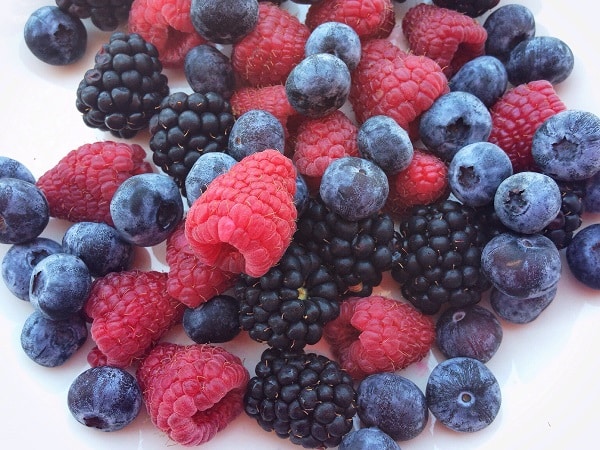
Most people consume berries for their antioxidant properties, which is excellent! But there is more to it. All types of berries are high in fiber, but raspberries and blackberries have the most fiber. Just a single cup of them consists of 8 grams of fiber. Other than that, a cup of blueberries, strawberries, and gooseberries offer a fiber content of 4 grams, 3 grams, and 6 grams, respectively. Considering the versatility, it is fair to say that berries are among the most interesting fiber sources.
Almonds
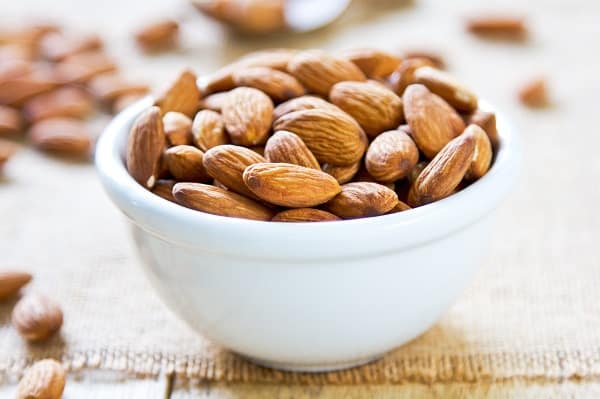
Most nuts have a good amount of fiber in them, and almonds are no exception. A single ounce of almonds, which is roughly 23 nuts, contains 3.5 grams of fiber. Likewise, there are more than 13 grams of fiber present per 100 grams. Along with fiber, they also contain plenty of other nutrients like manganese, magnesium, and protein, which will keep you full and energetic. The daily recommendations set by most health experts imply that one should consume at least one ounce of almonds every day.
Brocolli

This cruciferous vegetable contains several nutritional properties, including protein, potassium, magnesium, calcium, and of course, fiber. It offers 5 grams of fiber per cup. Therefore, adding broccoli to your meals will help you stay full, suppress hunger, and promote weight loss. Brocolli keeps constipation, digestion issues, and even heart disease away. Its antioxidant properties and low calorie-addition effect have caused this veggie to earn the reputation of superfood.
Whole Grains
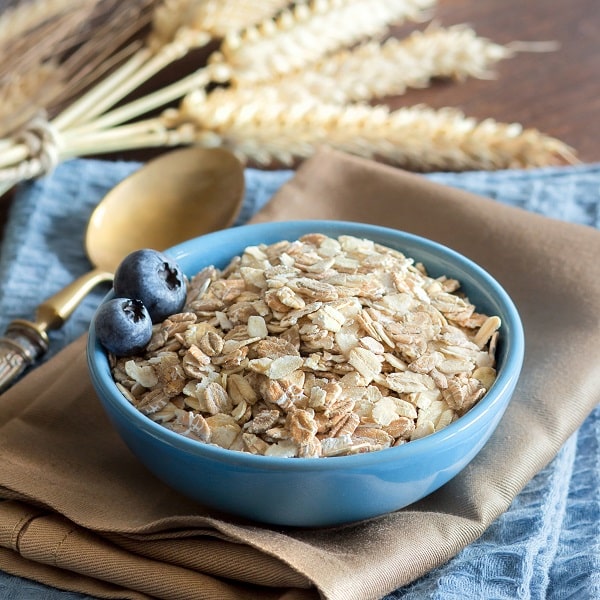
Replacing refined grains with whole grains is probably one of the easiest ways of increasing your fiber intake. Grains are essentially from seeds; however, they lose their nutritional properties when they are refined. Such is not the case with whole grains, and so you should prefer them. There is a wide range of whole grains, so you can have variety in your meals without compromising fiber.
Fruits
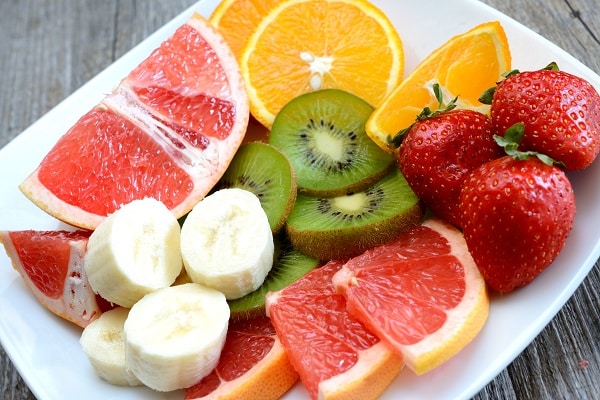
We already spoke about berries, but apart from that, there is no denying that other fruits are also naturally loaded with fiber, and not just that, they are also enriched with other essential nutrients such as vitamins and minerals. A medium-sized pear has up to 6 grams of fiber, and similarly, other fruits like orange, apple, and fig offer 4 and 8 grams, respectively. This is why dieticians recommend adding various fruits and even dry fruits for that matter to your daily breakfast.
Fiber Supplements
If maintaining a healthy amount of fiber in the body through fruits, vegetables, whole grains, nuts, and seeds seems challenging, you may opt for fiber supplements. These will help you normalize your bowel movement, make you feel full, control your cholesterol and blood sugar level, suppress hunger, and promote weight loss. However, make sure that you get approved by your health specialist and get a dietician’s recommendation regarding the supplement’s type, dosage, and frequency.
Conclusion
Mindful eating is undoubtedly one of the best habits that one can adopt in their lifestyle, and all these above-mentioned fiber-rich foods will truly help you boost your overall health and live longer. Start adding some of these foods to your diet to boost your fiber consumption. There are so many benefits!