Balancing Macros in Your Diet
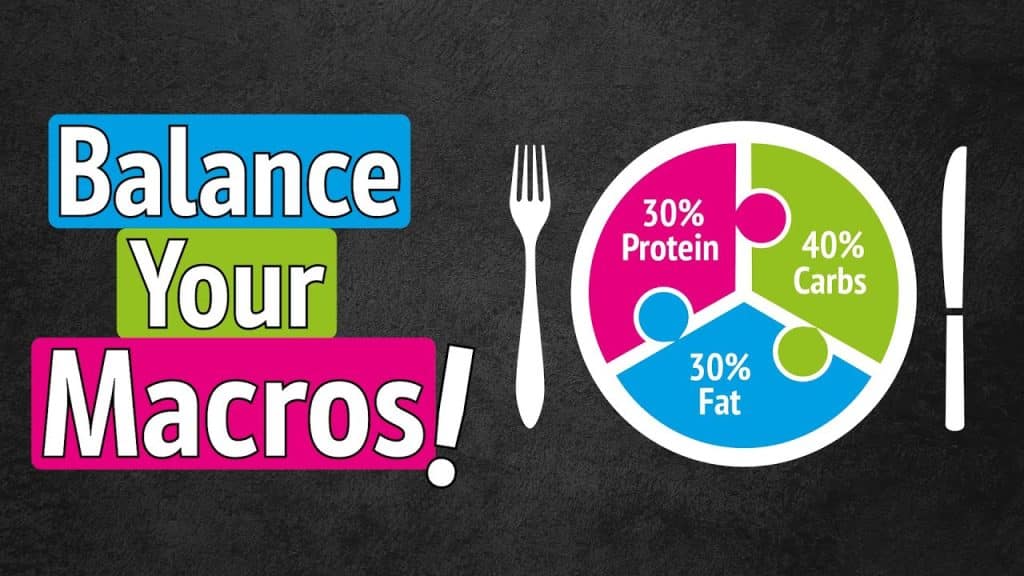
Achieving a balanced intake of macronutrients is crucial for optimal health and weight management. It involves not just focusing on the quantity of each macro but also the quality of the sources. Incorporating a variety of foods from each macronutrient group ensures a well-rounded diet. Strategies like portion control and mindful eating play a significant role in maintaining this balance. Understanding how different foods contribute to overall macro goals can simplify the process of creating balanced meals.
Meal planning is an effective tool for balancing macros. It allows for the preparation of nutritionally balanced meals ahead of time, reducing the likelihood of making unhealthy food choices. Including a mix of carbohydrates, proteins, and fats in each meal can help sustain energy levels and satiety throughout the day. Paying attention to how the body responds to different macro ratios is important, as individual responses can vary. Flexibility and willingness to adjust dietary habits based on these responses are key to successful macro balancing.
Adjusting Macros for Weight Loss

When focusing on weight loss, adjusting macro ratios can be highly effective. Reducing overall calorie intake while maintaining a balanced distribution of macros is crucial. A common approach is to slightly lower carbohydrate intake while ensuring adequate protein to preserve muscle mass. However, it’s important to avoid excessively restricting any single macro group, as this can lead to nutritional deficiencies and unsustainable eating habits. The goal is to create a manageable calorie deficit that promotes weight loss without sacrificing overall health.
In addition to macro ratios, the quality of the macronutrients consumed is vital. Choosing whole, unprocessed foods over refined and processed options can enhance the quality of the diet. High-fiber carbohydrates, lean proteins, and healthy fats are preferred choices. Regular monitoring and adjusting of macro intake based on weight loss progress are important. Patience and consistency in following adjusted macro plans are essential for long-term weight loss success.
Adjusting Macros for Muscle Gain
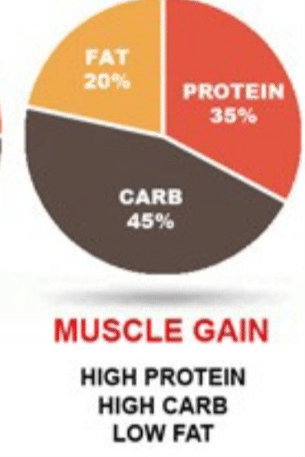
For individuals aiming to gain muscle, the focus shifts in macro balancing. Increasing overall calorie intake, particularly through proteins and carbohydrates, is essential. Proteins are crucial for muscle repair and growth, while carbohydrates provide the energy needed for intense workouts. The increase in calories should be gradual and controlled to ensure that the weight gained is primarily muscle, not fat. Balancing these macros while maintaining a regular workout routine is key to effective muscle gain.
Timing of nutrient intake is also important for muscle building. Consuming protein and carbohydrates, post-workout can aid in muscle recovery and growth. This doesn’t mean neglecting other meals; ensuring a consistent supply of nutrients throughout the day is equally important. Including a variety of protein sources, along with complex carbohydrates and healthy fats, ensures a well-rounded diet. Regularly evaluating and adjusting macro intake based on muscle gain progress and overall health is crucial.
Common Mistakes and Misconceptions

Navigating the world of macronutrients often leads to common pitfalls. One such mistake is overemphasizing a single macronutrient while neglecting others, leading to nutritional imbalances. Another error is focusing solely on macronutrient ratios without considering the overall quality and source of these nutrients. Understanding that a balanced approach is more sustainable and healthier in the long run is key to avoiding these mistakes.
Misconceptions about macronutrients also pose challenges. For instance, the notion that fats are universally bad or that carbohydrates lead to weight gain regardless of their type can derail a balanced diet. Debunking these myths by educating oneself on the nuances of each macronutrient is crucial. Recognizing that each macronutrient has a unique and essential role in the diet can help in making more informed dietary choices.
Tracking and Adjusting Your Macros

Tracking macronutrient intake is a powerful tool in managing one’s diet. Food diaries, apps, or other tracking methods can provide insights into daily macro consumption. This practice helps in identifying areas where adjustments may be needed, ensuring that dietary goals are being met. Regular tracking also encourages mindfulness about eating habits and food choices.
However, it’s important not to become overly fixated on numbers. Regular reviews and adjustments based on body responses, progress, and overall health are more important than strict adherence to specific macro ratios. Flexibility and adaptability in one’s diet are essential for long-term success. Tracking should serve as a guide, not a rigid rulebook, allowing for personalization and adjustment as needed.
Start Your Balanced Nutritional Journey Today
Balancing macronutrients is a journey of understanding your body’s unique needs and responding with a tailored approach to diet and nutrition. This guide aims to empower you with the knowledge and tools to navigate this journey effectively. Remember, the key to success lies in flexibility, mindfulness, and a willingness to adapt based on your body’s responses. Embrace this journey towards a healthier, more balanced you!