The Dangerous Trans Fats
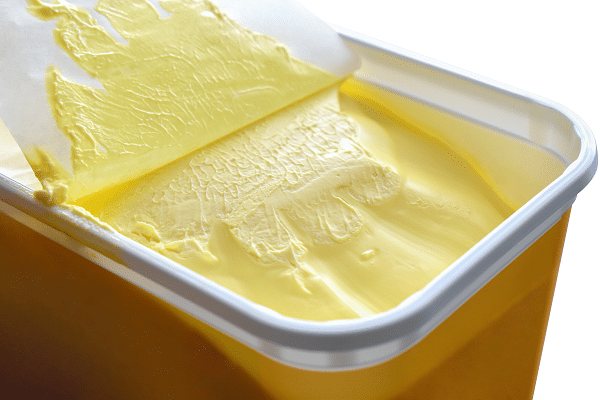
Trans fats are another harmful component often found in processed foods. They are used to extend shelf life and create a desirable texture in foods like cookies, crackers, and fried fast foods. Research has consistently shown that trans fats increase the risk of heart disease by raising levels of bad cholesterol (LDL) and lowering good cholesterol (HDL).
Complicating matters, trans fats can often be challenging to identify in food products. They may be listed as “partially hydrogenated oils” in the ingredients list, a term many consumers may not recognize. This invisible presence further exemplifies the potential dangers of consuming processed foods regularly, making it crucial to understand and identify such harmful components.
The Chemical Cocktail
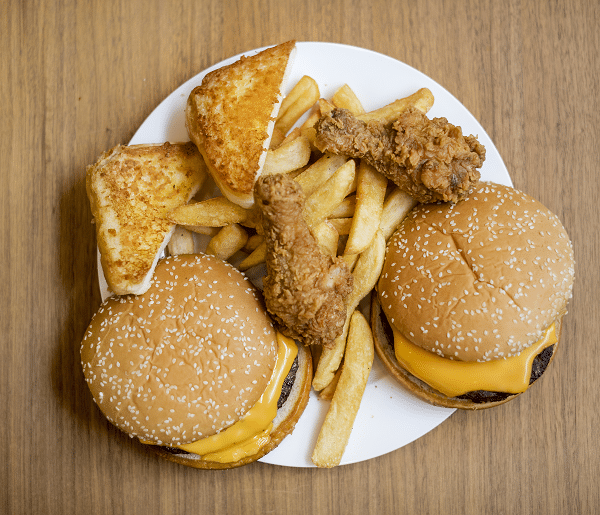
Along with those common ingredients, processed foods often contain a cocktail of chemicals in the form of artificial preservatives, colors, and flavors. These substances are used to extend shelf life, enhance food appearance, and boost flavor. For instance, nitrates and nitrites are commonly used in processed meats as preservatives, but they can form potentially carcinogenic compounds in the body.
Similarly, some artificial food colorings have been linked to allergic reactions and behavioral issues in children. Though these chemicals are generally considered safe in small amounts, their cumulative effect on health is still not entirely understood. Concerns about these potential impacts make it imperative for consumers to be aware and vigilant about the ingredients in their food.
Processed Foods And Nutrition

The nutritional quality of processed foods is another significant concern. These foods often contain fewer nutrients compared to their whole, unprocessed counterparts. During processing, they may be stripped of beneficial components like fiber, antioxidants, and other phytochemicals, leaving them with a poorer nutritional profile.
Moreover, to make these foods more palatable, additional sugars, fats, and salts are often added. These enhancements can lead to an imbalanced diet skewed towards high-calorie, nutrient-poor foods. The displacement of nutrient-dense foods in the diet can further exacerbate the negative health impacts of processed food consumption, making it crucial to prioritize foods that provide nutritional value.
Impact On Gut Health

Processed foods can also have a detrimental effect on your gut health. The human gut is home to trillions of bacteria that play a crucial role in digestion, immunity, and overall health. However, the high sugar content, lack of fiber, and artificial additives in processed foods can disrupt this delicate balance, leading to digestive issues and other health problems.
A disrupted gut microbiome has been linked to a range of health issues, from obesity to mental health disorders. It’s thought that the lack of dietary fiber and an overload of sugars and fats in processed foods can contribute to this imbalance. This emerging field of research further underlines the importance of a diet rich in whole, unprocessed foods for maintaining optimal gut health.
Linking Processed Foods To Chronic Diseases

Numerous studies have linked the consumption of processed foods with an increased risk of chronic diseases. These include heart disease, diabetes, and certain types of cancer. For instance, processed meats have been classified as a Group 1 carcinogen by the World Health Organization, which means there’s sufficient evidence that they can cause cancer.
Moreover, it’s important to dispel the myth that lifestyle diseases are only related to lifestyle. While exercise and other lifestyle factors play a significant role, diet, and particularly the consumption of processed foods, has a profound effect. Understanding the potential long-term implications of consuming processed foods is a critical step toward making healthier food choices.
Processed Foods And Mental Health

Emerging research suggests that there could be a link between the consumption of processed foods and mental health disorders like depression and anxiety. Diets high in processed foods are often low in essential nutrients that the brain needs to function correctly, such as omega-3 fatty acids, vitamins, and minerals.
Furthermore, as mentioned earlier, processed foods can negatively impact your gut health, and an unhealthy gut has been associated with mood disorders. This is because your gut and brain are intrinsically connected, often referred to as the gut-brain axis. These potential mental health effects highlight another dimension of the hidden dangers of processed foods.
Be Aware Of The Hidden Dangers In Processed Foods!
Throughout this article, you’ve explored the various hidden dangers of processed foods, from their high sugar, salt, and unhealthy fat content to their potential impact on gut health and mental well-being. While it’s not realistic to entirely eliminate processed foods from your diet, it’s crucial to be aware of these risks and make more informed dietary choices. Prioritizing whole, nutrient-dense foods wherever possible can help mitigate these risks and promote overall health.