When discussing weight loss, the significance of diet cannot be overstated, and among the myriad of nutrients essential for managing weight, dietary fiber stands out for its unique benefits. This post highlights the pivotal role of fiber in weight loss, exploring its impact on digestion, calorie intake, gut health, and overall dietary satisfaction. By understanding how fiber contributes to weight management, individuals can make informed choices that support their health and weight loss goals. Through an in-depth examination of dietary fiber, from its basic definitions to practical advice on intake, this post aims to empower you with the knowledge you need to leverage fiber for effective weight loss.
The Basics of Dietary Fiber
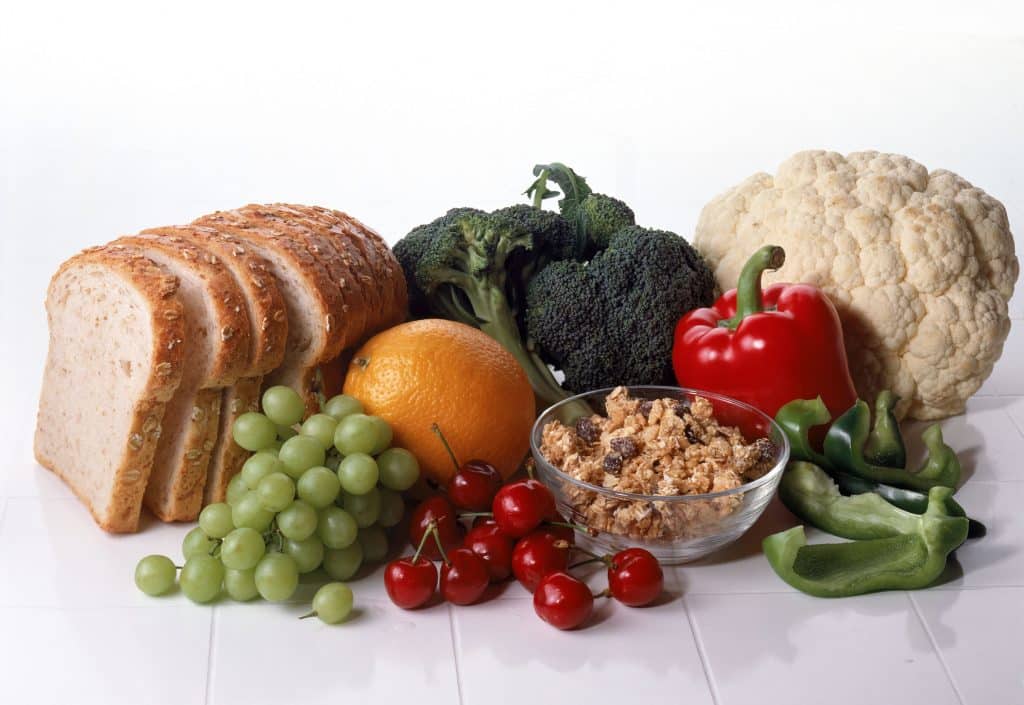
Dietary fiber, often heralded as a cornerstone of healthy eating, is a plant-based nutrient that the body cannot digest or absorb. Unlike other food components such as fats, proteins, or carbohydrates, which the body breaks down and absorbs, fiber passes relatively intact through the digestive system. There are two main types of dietary fiber: soluble and insoluble. Soluble fiber dissolves in water to form a gel-like material, which can help lower blood cholesterol and glucose levels. Insoluble fiber, on the other hand, promotes the movement of material through the digestive system and increases stool bulk, aiding in constipation relief.
Each type of fiber plays a distinct role in maintaining health, yet they both contribute to weight management and loss. Soluble fiber’s ability to form a viscous gel slows down the process of digestion, leading to a prolonged feeling of fullness. Insoluble fiber, while not digestible, adds bulk to the diet, helping individuals feel satisfied with fewer calories. Together, these fibers work synergistically to prevent overeating by extending the duration of satiety after meals. Understanding these basic mechanisms highlights the importance of incorporating a variety of fiber-rich foods into the diet for effective weight management.
Fiber’s Role in Digestion
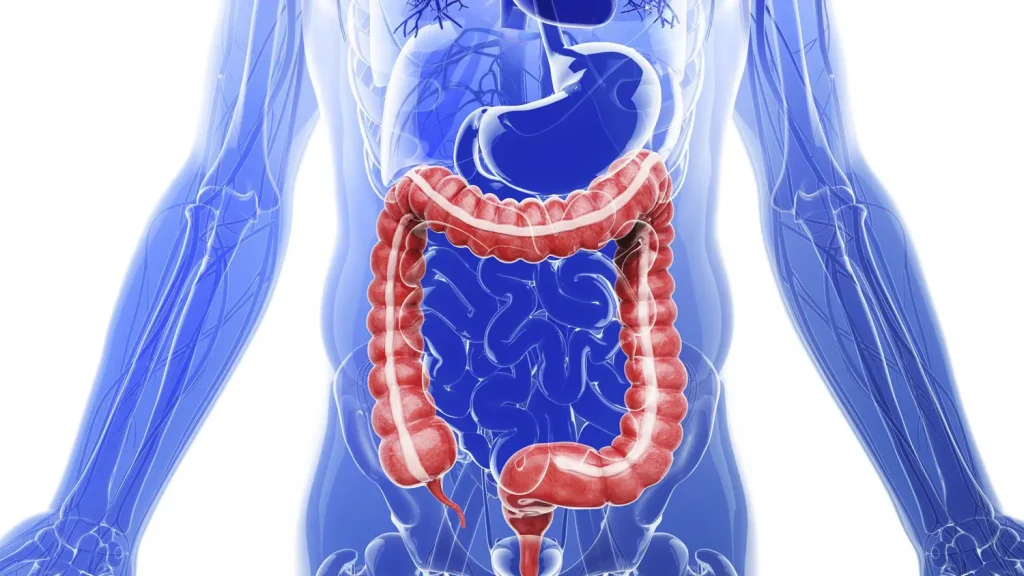
The digestion-slowing effect of fiber is a key factor in its ability to aid weight loss. By moderating the rate at which nutrients are absorbed, fiber helps maintain a steady blood sugar level, reducing the likelihood of insulin spikes and subsequent hunger pangs. This regulation of digestion encourages a more controlled appetite and can significantly curb unnecessary snacking or overeating. Soluble fiber, in particular, has a profound impact on this process, as its gel-forming properties delay the emptying of the stomach and the absorption of glucose.
Moreover, this delayed digestion process means that the feeling of fullness lasts longer, effectively reducing overall calorie intake without the need for restrictive dieting. The presence of fiber in the stomach signals to the brain that enough food has been consumed, thereby decreasing the desire to eat more. This natural appetite control is a fundamental aspect of why fiber is so effective for weight loss. By integrating more high-fiber foods into meals, individuals can enjoy longer periods of satisfaction and naturally reduce their calorie consumption.
Fiber and Calorie Intake

Incorporating fiber into the diet is a strategy that impacts calorie intake directly and indirectly. Foods high in dietary fiber, such as fruits, vegetables, whole grains, and legumes, are often lower in calories compared to their low-fiber counterparts. This means that by choosing fiber-rich foods, individuals can eat larger volumes of food while consuming fewer calories, a concept central to feeling satisfied on a weight loss diet without feeling deprived. The bulk provided by fiber-rich foods also contributes to a sense of fullness, further aiding in the reduction of overall calorie intake.
Additionally, the energy required to chew and digest high-fiber foods can slightly increase the body’s energy expenditure, contributing to weight loss. Although the effect is modest, it illustrates the comprehensive role fiber plays in managing body weight. By selecting high-fiber options, individuals not only reduce their calorie intake but also engage their digestive systems in a way that can help burn more calories. This dual action reinforces the importance of dietary fiber as a tool for weight management and underscores the benefits of making high-fiber choices a staple in any weight-loss diet.