Fiber’s Impact on Gut Health
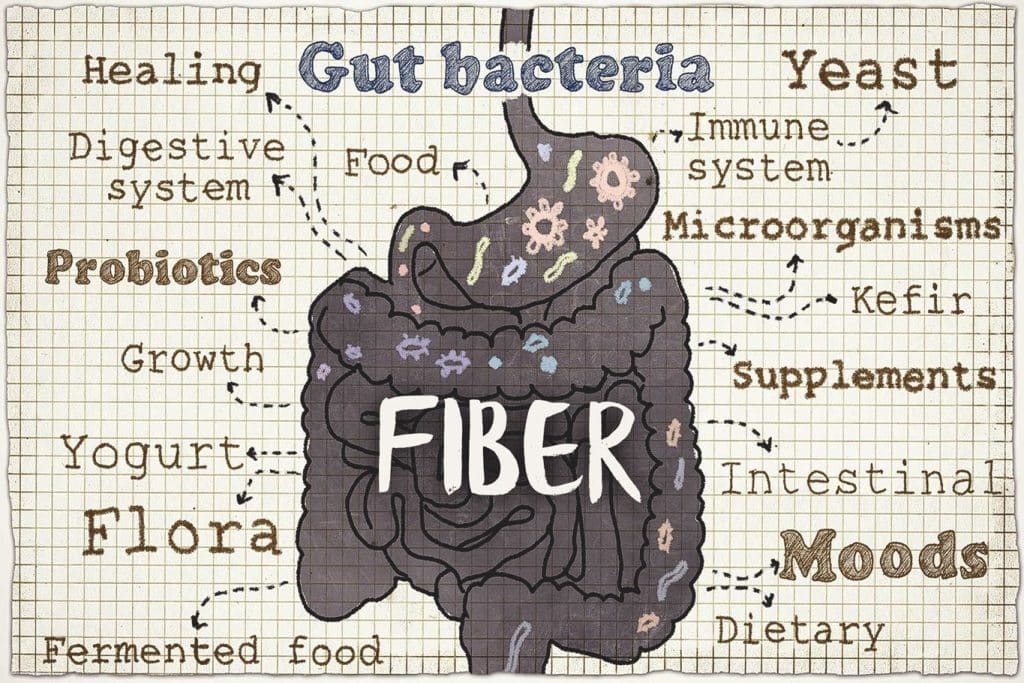
The benefits of fiber extend beyond simple digestion and calorie control; it also plays a crucial role in maintaining a healthy gut microbiome. The soluble fiber found in foods acts as a prebiotic, providing nourishment for beneficial gut bacteria. This relationship between fiber and gut flora is significant because a diverse and healthy microbiome is linked to improved digestion, enhanced immune function, and even a lower risk of obesity. By fostering a healthy gut environment, fiber contributes to more than just weight management; it supports overall health and well-being.
Emerging research suggests that a healthy gut microbiome can influence weight loss directly by affecting metabolism and indirectly by improving mood, which can reduce emotional eating. Additionally, certain types of gut bacteria are known to influence how the body metabolizes fiber, producing short-chain fatty acids (SCFAs) that have been linked to reduced inflammation and improved gut health. These SCFAs can also help regulate appetite and increase energy expenditure. Thus, by supporting a healthy gut microbiome, dietary fiber plays a multifaceted role in weight loss and overall health, making it an indispensable component of a balanced diet.
How Much Fiber Do You Need?
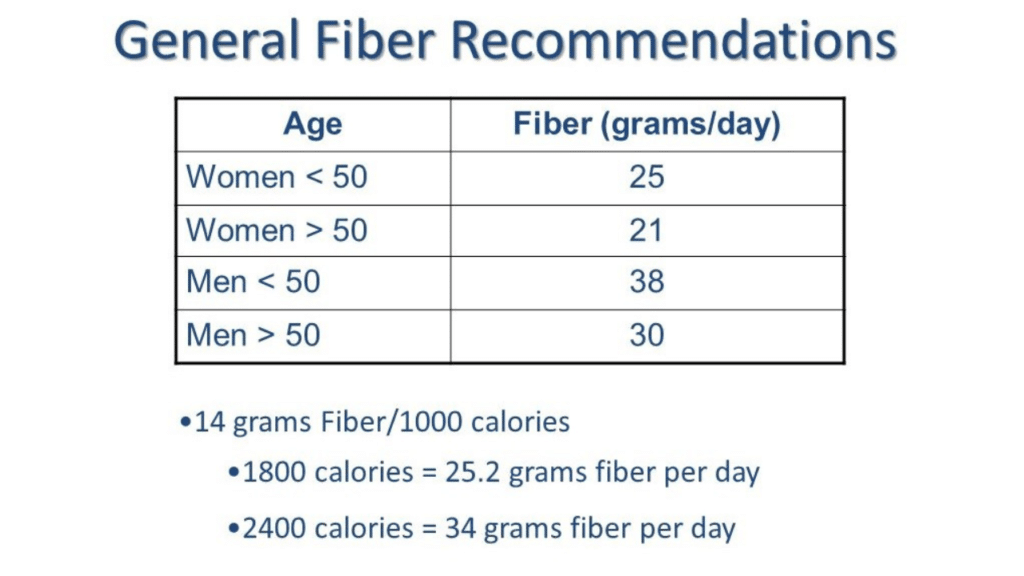
Understanding the daily fiber intake recommendations is crucial for harnessing fiber’s full benefits for weight loss and health. Health experts suggest that women aim for about 25 grams of fiber per day, while men should target around 38 grams. However, the average person’s diet falls significantly short of these numbers, often leading to missed opportunities for health improvement and weight management. Meeting these fiber intake goals can support digestion, maintain satiety, and reduce the risk of chronic diseases such as diabetes and heart disease.
Increasing fiber intake to meet these recommendations can be achieved through dietary adjustments that emphasize whole foods. It’s important to increase fiber gradually to allow the body to adjust, minimizing potential discomfort such as bloating or gas. Equally, ensuring adequate water intake alongside higher fiber consumption is essential, as fiber absorbs water to help move smoothly through the digestive system. By making incremental changes to include more fruits, vegetables, whole grains, and legumes in meals, individuals can easily meet or even surpass the recommended daily fiber intake, reaping the numerous health benefits fiber offers.
Sources of High-Fiber Foods

Identifying and incorporating high-fiber foods into one’s diet is a straightforward strategy for enhancing weight loss efforts and improving overall health. Foods rich in fiber include fruits (such as raspberries, apples, and pears), vegetables (like green peas, broccoli, and Brussels sprouts), legumes (including lentils, black beans, and chickpeas), whole grains (such as barley, quinoa, and oats), nuts, and seeds. These foods provide the much-needed dietary fiber and come packed with a host of other nutrients beneficial for health, making them an excellent choice for anyone looking to improve their diet.
Incorporating these high-fiber foods into meals and snacks doesn’t have to be challenging. Simple swaps like choosing whole grain bread over white, adding beans to salads, or opting for fruit as a snack instead of processed foods can significantly increase fiber intake. Additionally, experimenting with diverse cuisines and recipes can make adding fiber to the diet both enjoyable and delicious. By focusing on whole and minimally processed foods, individuals can easily increase their fiber intake, contributing to weight loss and promoting a healthier digestive system.
Fiber Supplements vs. Natural Sources
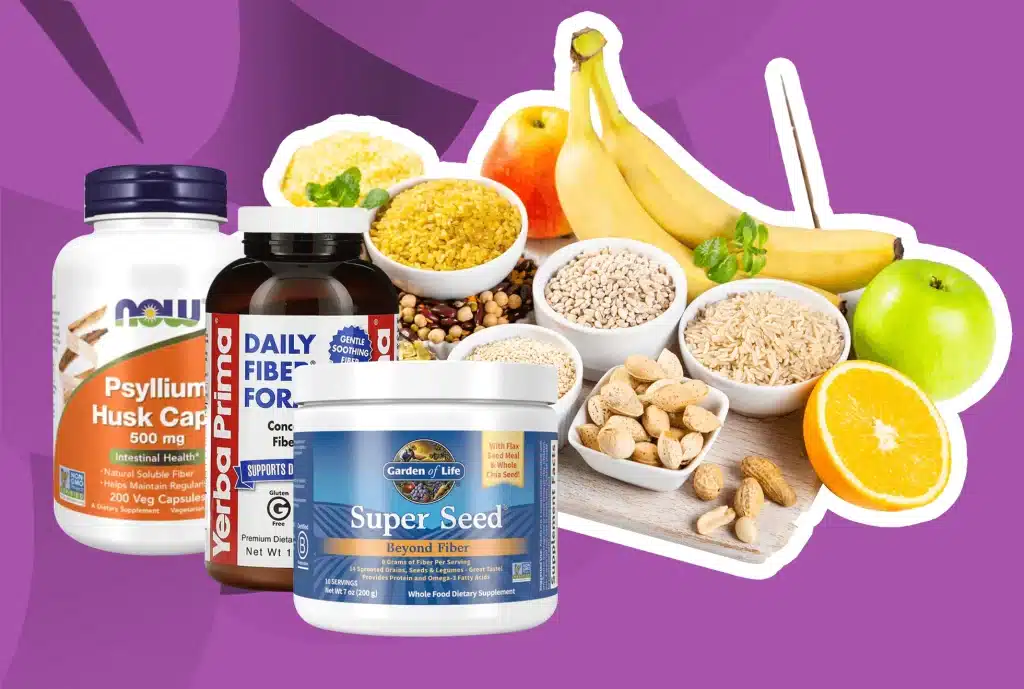
While getting fiber from food is the ideal way to meet daily requirements, there are circumstances where fiber supplements might be beneficial. Supplements can help individuals who struggle to consume enough fiber through diet alone due to dietary restrictions, food allergies, or specific health conditions. However, it’s essential to recognize that fiber supplements don’t offer the same broad spectrum of nutrients that whole foods provide. Therefore, they should complement, not replace, a diet rich in natural sources of fiber.
Before adding a fiber supplement to your regimen, consulting with a healthcare provider is advisable to ensure it’s appropriate for your specific health needs and won’t interact with any medications. When choosing a supplement, opting for those that are well-researched and free from unnecessary additives is crucial. Despite their convenience, supplements should be viewed as a temporary aid rather than a long-term solution. Prioritizing natural sources of fiber ensures the intake of a wide range of beneficial nutrients alongside fiber, supporting overall health beyond just weight management.
Make Fiber Your Weight Loss Friend
Embracing fiber’s role in weight management unlocks a pathway to a healthier, more balanced lifestyle. By integrating a variety of fiber-rich foods into your diet, you not only aid in weight loss but also support your overall health, from digestion to disease prevention. Start today by making simple swaps and choices that increase your fiber intake, ensuring a fuller, more satisfying journey toward your weight management goals. Let fiber be your ally in achieving the healthy body you deserve.