Exploring the intricate dance between diet, timing, and weight loss unveils a fascinating blend of science and personal discipline. While the concept of calorie counting has long dominated the weight loss narrative, emerging research suggests that the timing of meals plays a pivotal role in how our bodies process food and manage weight. This article uncovers the scientific underpinnings of meal timing and weight loss, dissecting how it intertwines with your body’s natural rhythms, metabolic processes, and psychological aspects. It aims to offer a nuanced understanding of this complex interplay, guiding readers towards more informed choices in their weight loss journey.
Circadian Rhythms and Metabolism
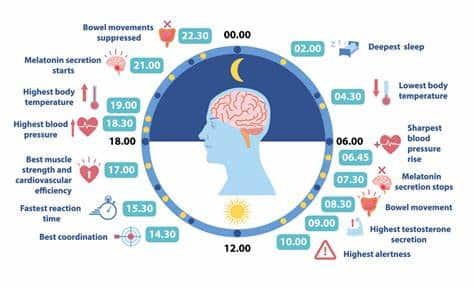
Circadian rhythms, your body’s natural clock, orchestrate a symphony of biological processes, including metabolism. These internal rhythms, aligning roughly with the 24-hour day, regulate when and how efficiently your body processes nutrients. Disruptions to these rhythms, like irregular eating patterns or sleep disturbances, can significantly impact metabolic health. This misalignment often leads to metabolic disorders, including obesity and diabetes, underscoring the importance of synchronizing meal times with your body’s natural cycles.
The influence of circadian rhythms extends to various metabolic functions such as hormone release, digestion, and energy expenditure. Eating in alignment with these rhythms can optimize nutrient absorption and energy utilization. For instance, your body tends to metabolize carbohydrates more efficiently in the morning than at night. This understanding paves the way for structuring meal times to harness the peak metabolic rates, potentially aiding in more effective weight management.
Nutrient Timing and Its Effects

Nutrient timing refers to consuming specific nutrients at certain times to optimize health benefits. Unlike general meal timing, it focuses on the timing of proteins, carbohydrates, and fats. This concept has gained traction in sports nutrition, where timing nutrient intake can enhance athletic performance and recovery. In the context of weight loss, nutrient timing can influence how the body uses these nutrients, potentially impacting weight management. For instance, consuming protein shortly after a workout can aid in muscle repair and growth, while carbs consumed during this period can replenish energy stores more effectively.
Moreover, the timing of nutrient intake can also influence metabolic processes like glycogen storage and muscle protein synthesis. Eating carbohydrates when the body’s insulin sensitivity is highest, such as after exercise, can lead to more efficient glucose utilization. This can be particularly beneficial for individuals aiming to manage blood sugar levels alongside weight loss. Conversely, consuming high-fat meals late at night, when the body’s metabolic rate is lower, might contribute to weight gain. Therefore, understanding and applying nutrient timing principles can be a valuable tool in a comprehensive meal timing and weight loss strategy.
Balancing Hormones Through Diet

Hormones play a pivotal role in regulating appetite, metabolism, and body weight. Diet significantly influences hormonal balance, and understanding this relationship is crucial for effective weight management. For example, consuming a high-protein diet can increase levels of satiety hormones like leptin, reducing the urge to overeat. Similarly, foods with a low glycemic index can help maintain stable insulin levels, preventing blood sugar spikes and crashes that can lead to increased hunger and fat storage.
Furthermore, dietary fat plays a key role in hormone production, including hormones like estrogen and testosterone, which are vital for maintaining muscle mass and metabolic rate. However, the type of fat is essential. Monounsaturated and polyunsaturated fats, found in foods like avocados and fish, support hormonal health, while trans fats found in processed foods can have the opposite effect. Therefore, when it comes to meal timing and weight loss, choosing a well-balanced diet is essential for maintaining healthy hormone levels.
Psychological Factors in Eating Habits
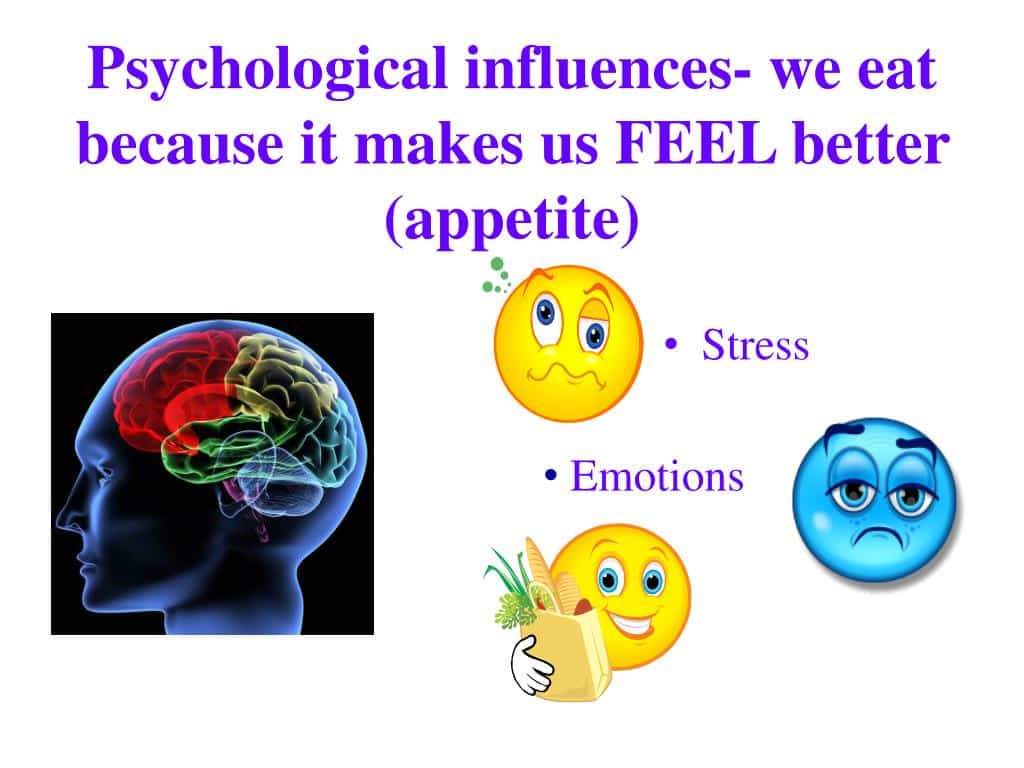
Eating behaviors are not solely influenced by physical hunger but also by psychological factors. Emotional eating, for instance, is a common response to stress or negative emotions, leading to overeating or unhealthy food choices. Recognizing these patterns is crucial in developing healthier eating habits. Mindful eating practices, which encourage a focused awareness of the eating experience, can help in identifying true hunger cues and preventing overeating. This approach can also enhance the enjoyment of food, leading to greater satisfaction with smaller portions.
In addition, self-perception and body image significantly impact eating behaviors. Negative body image can lead to restrictive eating patterns or, conversely, overeating. Building a positive self-image and a healthy relationship with food is key to sustainable weight loss. This involves shifting focus from strict dieting to nourishing the body, recognizing individual needs, and embracing a more forgiving and compassionate approach to eating. By addressing these psychological aspects, individuals can break free from the cycle of emotional eating and establish a routine of timing their meals that works best for them.
Adapting to Lifestyle and Individual Needs

Adapting meal timing strategies to individual lifestyles and needs is critical for sustainable weight loss. For example, a person with a 9-to-5 job may find it easier to follow a traditional meal schedule, while someone working night shifts might need to adjust their meal times accordingly. Understanding one’s daily routine and energy demands helps in planning meal times that support both metabolism and lifestyle. Those who exercise regularly might benefit from timing meals around their workout sessions to optimize energy levels and recovery. Thus, personalizing meal timing can make weight loss strategies more effective and sustainable.
Furthermore, individual health conditions also play a significant role in determining optimal meal timing. For instance, people with diabetes may need to schedule their meals and snacks to manage blood sugar levels effectively. Pregnant women, older adults, or those with specific dietary requirements might also require tailored meal timing plans. Consulting with a healthcare provider or a nutritionist can provide valuable insights into how best to align meal times with individual health needs.
Common Myths and Challenges

Navigating through the myriad of myths surrounding meal timing and weight loss can be challenging. One common misconception is that eating late at night invariably leads to weight gain, a theory that oversimplifies the complex relationship between meal timing and metabolism. While late-night eating can disrupt circadian rhythms and potentially affect metabolism, the overall quality and quantity of food consumed play a more significant role. Another myth is the idea that skipping meals can accelerate weight loss; in reality, this can lead to overeating later and disrupt metabolic balance. Addressing these myths with scientific evidence is crucial for understanding and effectively implementing meal timing strategies.
Additionally, consistency in meal timing can be a challenge, especially in today’s fast-paced lifestyle. Irregular eating patterns can disrupt the body’s internal clock and negatively impact metabolic health. Overcoming these challenges requires planning and commitment to regular meal schedules. Incorporating flexibility within a structured meal plan can help accommodate unexpected changes in routine while maintaining consistency. By demystifying these common myths and addressing challenges, individuals can adopt a more informed and practical approach to meal timing for weight loss.
Synergizing Meal Timing with Overall Health Strategies

Integrating meal timing into a broader health and wellness strategy can amplify its benefits for weight loss. For instance, combining meal timing with a balanced diet rich in nutrients can enhance metabolic efficiency and support sustained weight loss. Timing meals to coincide with periods of higher physical activity can also maximize energy utilization and contribute to fat loss. This holistic approach ensures that meal timing is not viewed in isolation but as a component of a comprehensive health plan.
Moreover, the role of sleep in relation to meal timing should not be underestimated. Proper sleep is essential for maintaining a healthy metabolism and hormonal balance, which are critical for weight loss. Eating heavy meals close to bedtime can disrupt sleep quality while aligning the last meal of the day with the body’s natural wind-down process can promote better sleep. Therefore, incorporating meal timing strategies within the broader context of lifestyle habits like sleep, stress management, and exercise can create a synergistic effect, leading to more effective and lasting weight loss.
Evaluating the Long-Term Sustainability

The long-term sustainability of meal timing strategies is a crucial consideration for anyone looking to manage their weight effectively. It’s important to assess how these strategies fit into one’s daily routine and whether they can be maintained over time. A meal timing plan that is too rigid or difficult to follow in the context of one’s lifestyle is unlikely to be sustainable. The key is to find a balance that aligns with individual preferences and daily commitments, ensuring that the approach to meal timing can be realistically sustained over the long term.
In addition to practicality, the psychological impact of strict meal timing should be considered. Extremely regimented eating schedules can lead to increased stress and a strained relationship with food. It’s essential to allow for flexibility and to listen to the body’s natural hunger cues. A sustainable approach to meal timing is one that integrates easily into one’s life, promotes a healthy relationship with food, and contributes to overall well-being. By focusing on sustainability and balance, meal timing can be a valuable tool in achieving and maintaining weight loss goals.
Step Into a Balanced Life with Smart Meal Timing
Understanding and applying the principles of meal timing can be a powerful tool in your weight loss journey. It’s about more than just what and how much you eat; it’s about when you eat. This approach, combined with a balanced diet and healthy lifestyle choices, can lead to sustainable weight management and overall well-being. Remember, the key to success is finding a rhythm that works for you and your lifestyle. Start today by taking small, informed steps towards integrating meal timing into your routine for a healthier tomorrow.