The Gut-Brain Axis and Appetite
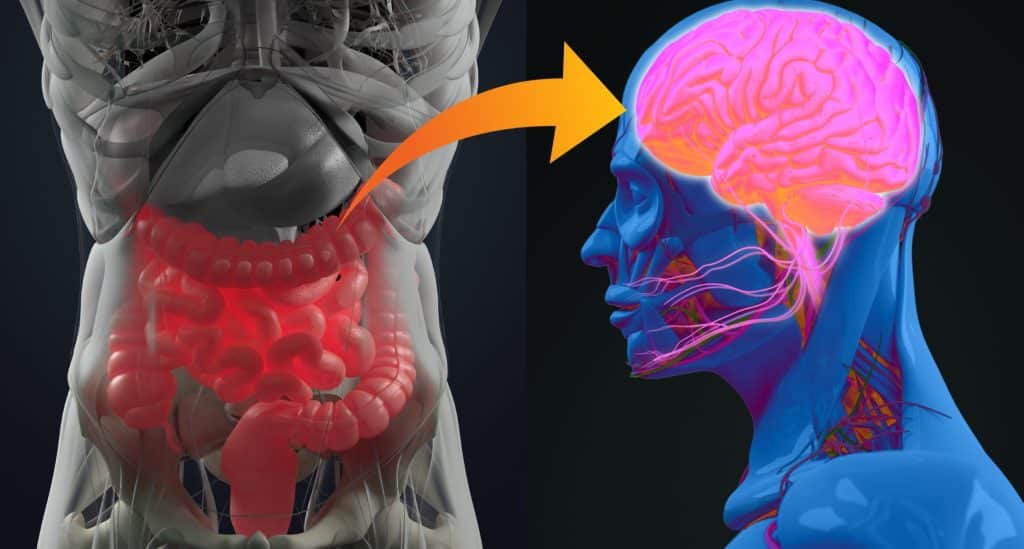
The gut-brain axis represents a complex communication network linking the gastrointestinal tract and the central nervous system, playing a critical role in appetite regulation. This connection allows the gut to send signals to the brain regarding hunger and satiety, influenced by factors such as nutrient absorption and the presence of gut hormones. These hormones, including peptide YY (PYY) and glucagon-like peptide-1 (GLP-1), are released after eating and work to reduce appetite and enhance feelings of fullness. The composition of the gut microbiota also impacts these signals, with certain bacterial strains influencing how efficiently calories are extracted from food and how full you feel.
Recent research has shed light on how the gut microbiome can affect the brain’s perception of hunger and satiety, suggesting that a diverse and balanced gut microbiota may help regulate appetite more effectively. For example, certain microbes can affect the production of neurotransmitters, like serotonin, which play a role in mood and appetite control. Moreover, dietary changes that increase the diversity of the gut microbiota, such as the consumption of fiber-rich foods and probiotics, can enhance gut-brain communication, potentially leading to better appetite control. Understanding the gut-brain axis opens new avenues for managing appetite through diet and lifestyle modifications, emphasizing the importance of gut health in overall well-being.
Nutritional Impact on Appetite Control

The composition of your diet plays a crucial role in managing hunger and fullness. Macronutrients—carbohydrates, fats, and proteins—have different effects on satiety and the hormonal signals that govern appetite. Proteins, for instance, are known for their high satiety index, meaning they can make you feel full for longer periods. This is partly because protein-rich foods influence the release of hormones like GLP-1 and PYY, which signal fullness to the brain. Conversely, simple carbohydrates can lead to rapid spikes and falls in blood sugar levels, often resulting in a quicker return of hunger.
Dietary fiber and water are also key players in appetite control. High-fiber foods, such as vegetables, fruits, and whole grains, add bulk to the diet without adding extra calories. This bulk can stimulate stretch receptors in the stomach, signaling fullness to the brain and thus reducing overall food intake. Similarly, drinking water before meals can enhance the sensation of fullness, potentially leading to reduced calorie consumption during meals. Incorporating these nutritional strategies into daily eating habits can help manage hunger more effectively, supporting weight management and overall health.
Physical Activity and Its Effects on Appetite

Engaging in physical activity has a complex relationship with appetite, with its effects varying depending on the intensity and duration of exercise. Generally, moderate to high-intensity exercise can temporarily suppress hunger, thanks to the release of appetite-suppressing hormones such as PYY and GLP-1. Additionally, physical activity can improve the sensitivity of the hormones leptin and insulin, both of which play roles in regulating energy balance and appetite. This improved hormonal response can help maintain a healthier appetite control in the long term.
However, the impact of exercise on appetite can differ among individuals, with some experiencing increased hunger and others noticing a decrease in appetite. The type of activity also plays a role; aerobic exercises like running or swimming might have different effects on hunger compared to resistance training or strength exercises. Understanding these nuances can help individuals tailor their exercise routines in a way that supports their dietary goals and appetite control. Regular physical activity, combined with mindful eating practices, forms a powerful approach to maintaining a healthy weight and managing hunger.
Strategies for Managing Appetite

Effective appetite management involves a combination of dietary, behavioral, and lifestyle strategies that can help prevent overeating and support weight management. One approach is mindful eating, which encourages paying full attention to the experience of eating and savoring each bite. This practice can help individuals recognize hunger and fullness cues more accurately, preventing overeating. Additionally, establishing regular meal patterns can stabilize blood sugar levels and manage hunger throughout the day, reducing the likelihood of impulsive eating.
Another strategy involves optimizing the environment to support healthy eating behaviors. This can include preparing and storing healthy snacks and meals in advance, ensuring easy access to nutritious options. Reducing the availability of high-calorie, low-nutrient foods can also minimize temptation and support better appetite control. Furthermore, focusing on whole, nutrient-dense foods can provide the body with the necessary vitamins, minerals, and other nutrients, promoting overall health and well-being. By combining these strategies, individuals can create a sustainable approach to managing appetite and maintaining a healthy relationship with food.
Harness the Power of Appetite Science
As you navigate the complex landscape of appetite control, it becomes clear that a multifaceted approach encompassing dietary, lifestyle, and psychological strategies is key to managing hunger effectively. By understanding the underlying mechanisms of appetite and implementing evidence-based methods to regulate it, you empower yourself to make healthier choices that support your overall well-being. Let this knowledge be your guide as you embark on a journey toward a balanced relationship with food, stepping towards a healthier, more fulfilling lifestyle. Take charge of your eating habits today and transform your approach to hunger.